
Engineering plastics play a vital role in modern industry due to their excellent mechanical strength, chemical resistance, dimensional stability, and long service life. From electrical insulation and industrial machinery to automotive, electronics, and medical equipment, engineering plastics have become indispensable materials for high-performance applications.
For engineers, buyers, and manufacturers, correctly identifying different types of engineering plastics is essential to ensure optimal performance, durability, and cost efficiency. In this article, YILONG provides a clear and professional guide to recognizing common engineering plastics based on their physical characteristics, appearance, and typical applications.
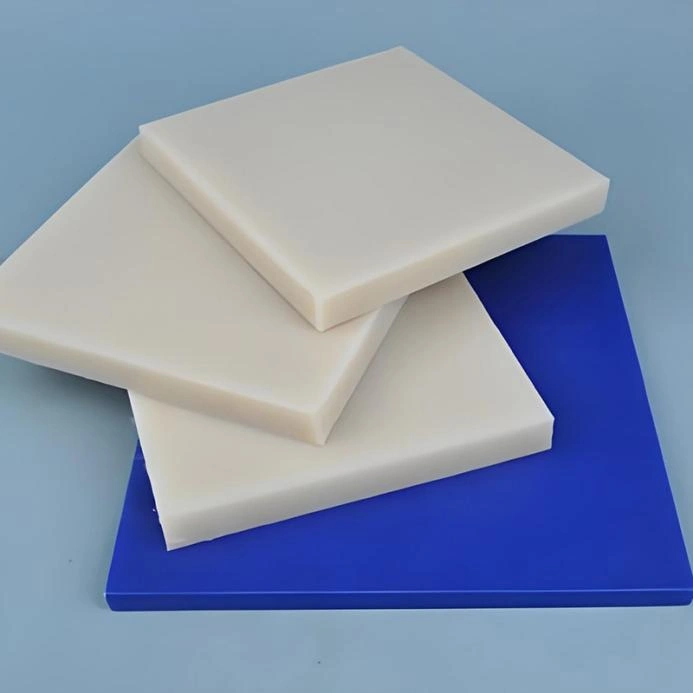
engineering plastics are high-performance synthetic polymers designed to perform under demanding mechanical, thermal, and chemical conditions. Compared with general-purpose plastics, they offer higher strength, better wear resistance, improved heat resistance, and superior dimensional stability.
These materials are widely used in manufacturing, electrical and electronics, aerospace, automotive, agriculture, consumer goods, and medical technology.
Even without specialized laboratory equipment, many engineering plastics can be identified by observing surface texture, color, transparency, rigidity, and typical usage scenarios. Below are the most widely used engineering plastics and their key identification features.
Acetal is a strong and rigid engineering thermoplastic commonly used for precision components requiring tight tolerances and low friction.
It features a smooth, hard, and slightly waxy surface with a dense and solid feel. Acetal is typically opaque and supplied in natural white, black, or other colors, often with a glossy finish.
Acetal is easy to identify by its white, slick surface and excellent dimensional stability. It is widely used in gears, bearings, bushings, and electrical connectors where wear resistance and mechanical accuracy are critical.
Cast Nylon is a high-strength engineering plastic known for its toughness, wear resistance, and self-lubricating properties. It is frequently used as a metal replacement in industrial applications.
This material has a smooth, waxy surface with slight gloss and feels hard yet slightly flexible under load. It is usually supplied in natural milky white, black, blue, or green.
Cast Nylon is commonly identified by its thickness, smooth finish, and use in heavy-duty wear parts such as rollers, gears, wear pads, and bushings.
HDPE is a lightweight yet tough engineering plastic with excellent chemical resistance and a high strength-to-density ratio.
It typically has a matte or slightly waxy surface and feels flexible but durable. HDPE is available in translucent natural white or opaque black, blue, and green.
HDPE is widely used in tanks, pipes, liners, and outdoor industrial components, especially where corrosion resistance and durability are required.
PEEK is a premium high-performance engineering plastic designed for extreme environments involving high temperatures, aggressive chemicals, and heavy mechanical loads.
It is hard, rigid, and dense with a smooth but slightly textured surface. The natural color is beige or light brown with a non-reflective appearance.
PEEK is commonly used in aerospace, automotive, oil and gas, and medical applications. Its distinctive color and usage in demanding environments make it relatively easy to identify.
PET is a strong, lightweight polyester plastic with excellent dimensional stability and good wear resistance.
It has a smooth, hard, and glossy surface and is often transparent or clear, although opaque white or blue grades are also available. Clear PET has a glass-like appearance.
PET is frequently used in food and beverage packaging, electrical components, and precision machined parts where clarity and mechanical strength are required.
Polycarbonate is a tough, impact-resistant engineering plastic well known for its high transparency and strength.
It has a smooth, glossy, glass-like surface and feels rigid with slight flexibility. Polycarbonate is usually transparent or translucent, with colored grades available.
This material is widely used in safety shields, lenses, lighting covers, electrical housings, and automotive components requiring both clarity and impact resistance.
PTFE, commonly known as Teflon, is a high-performance fluoropolymer with outstanding chemical resistance, electrical insulation, and non-stick properties.
It feels soft, waxy, and extremely slippery, is opaque white with a matte finish, and does not attract oil or dirt.
PTFE is widely used in seals, gaskets, bearings, insulation parts, and high-temperature applications. Its unique surface characteristics make identification straightforward.
UHMWPE is a highly durable engineering plastic known for its exceptional wear resistance, impact strength, and low friction performance.
It has a very smooth, slightly waxy texture and is lightweight yet extremely tough. The material is typically milky white or off-white, with black and colored options available.
UHMWPE is commonly used in conveyor systems, wear strips, liners, cutting boards, and medical devices where abrasion resistance is critical.
engineering plastics have significantly advanced modern manufacturing by offering an excellent balance of strength, durability, chemical resistance, and design flexibility. Understanding how to identify different types of engineering plastics based on appearance, texture, and performance characteristics helps engineers and buyers select the most suitable material for each application.
YILONG specializes in supplying high-quality engineering plastics and electrical insulation materials that meet international standards. With extensive industry experience and technical expertise, we provide reliable material solutions for customers worldwide.
For more information about engineering plastics or to discuss your specific application requirements, please contact YILONG at yilong@yilonginsulation.com.
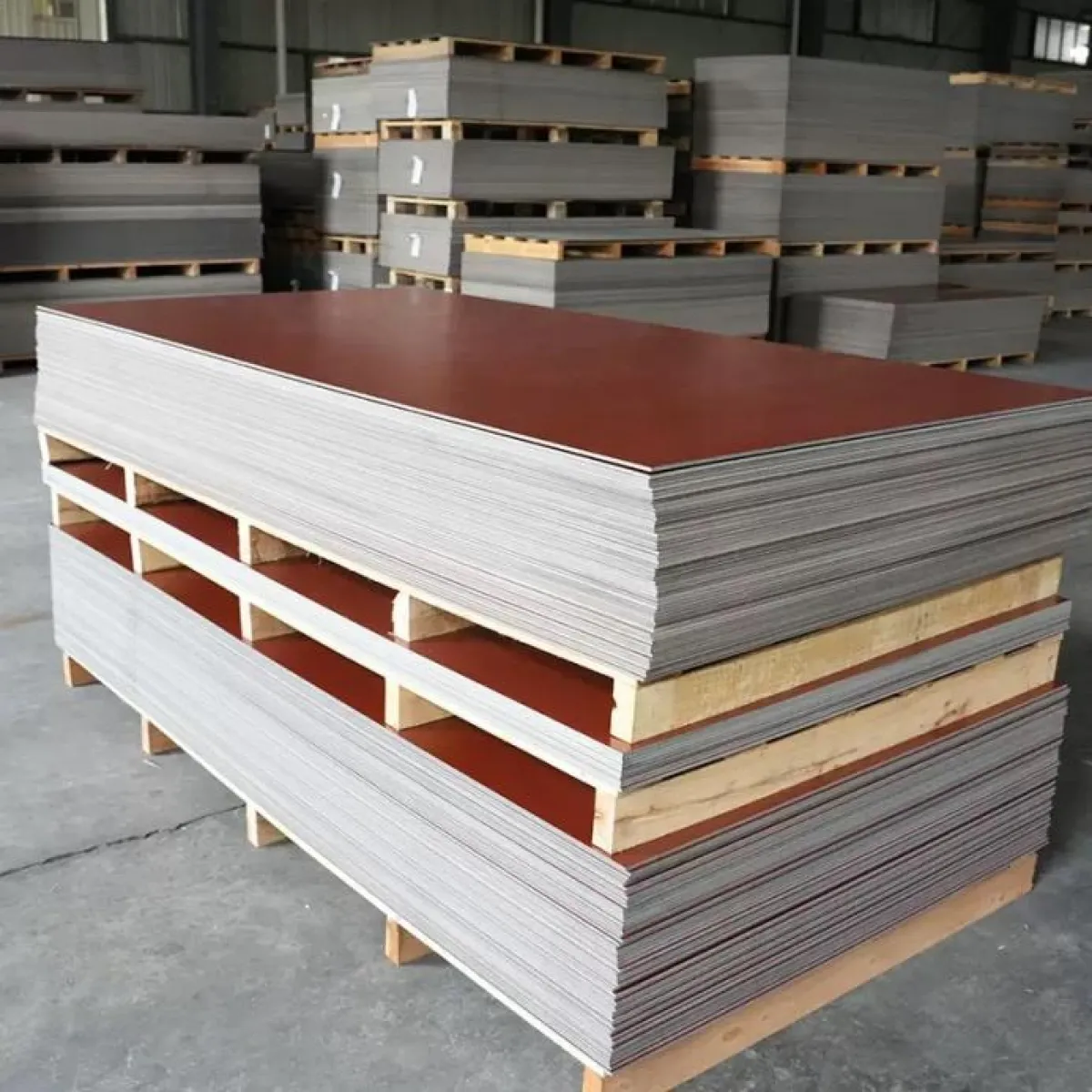
PFCP201 is manufactured using high-quality insulating paper impregnated with phenolic resin. After the raw materials are carefully inspected, the paper is passed through an automat
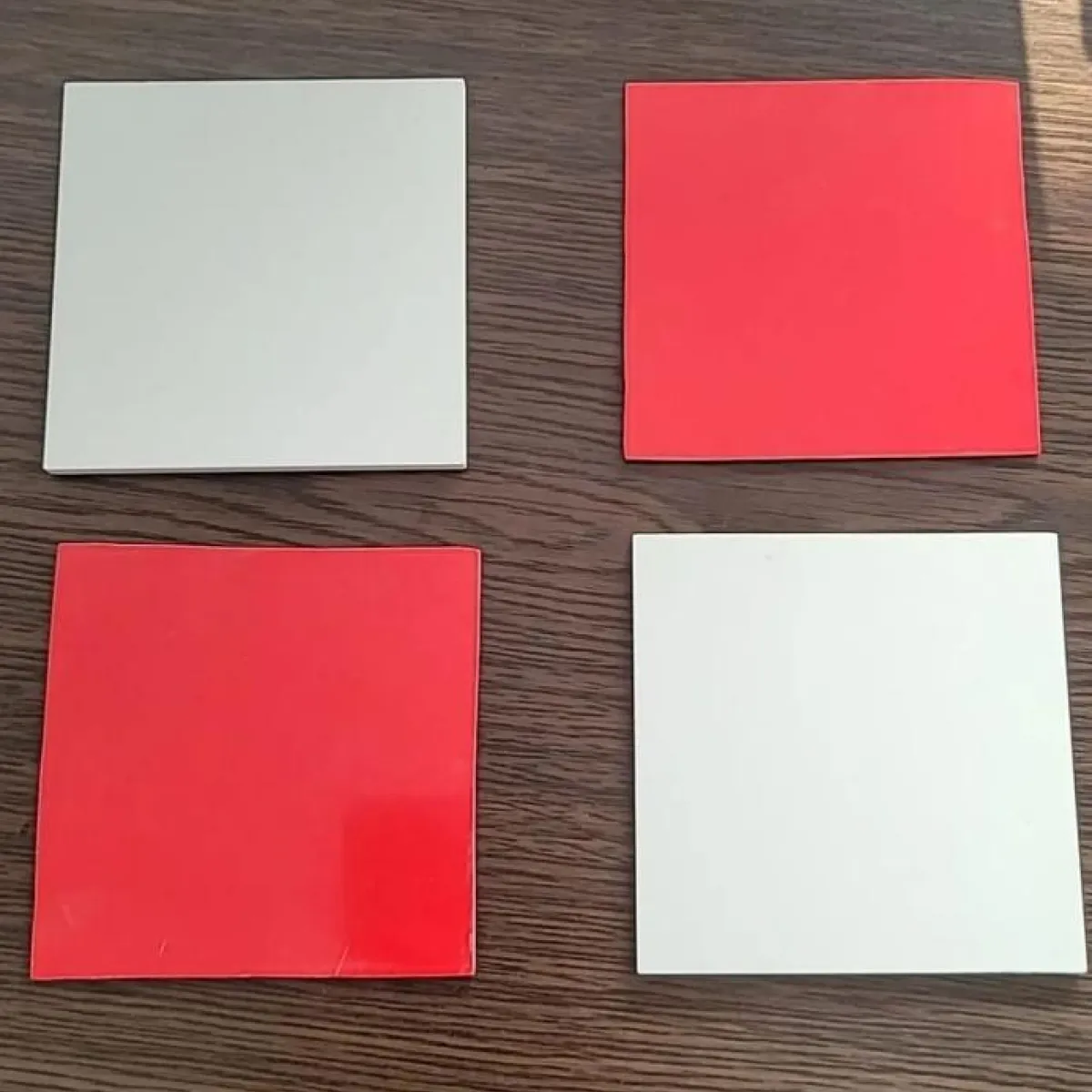
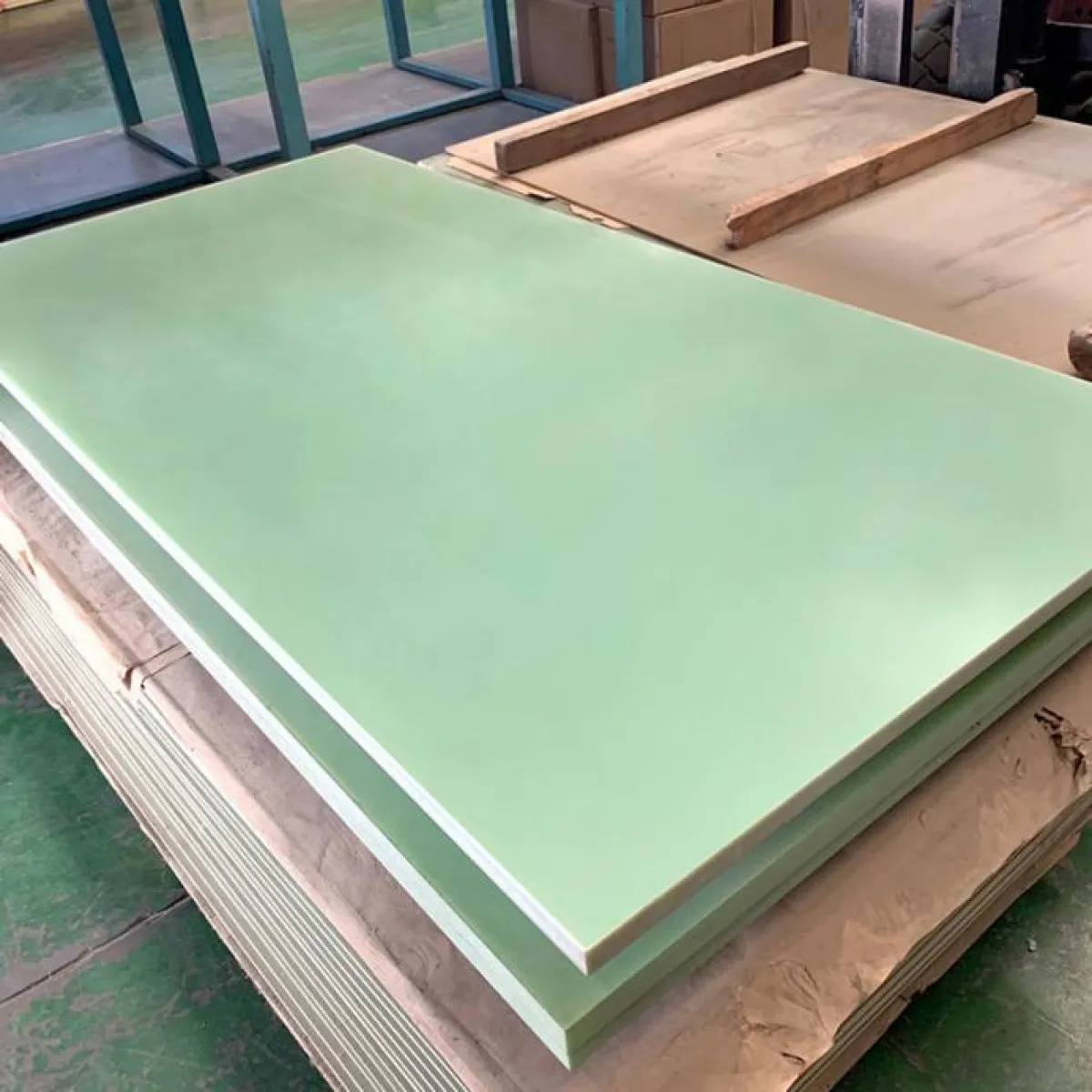
GPO-3 insulation board, also known as UPGM-203, is a rigid electrical insulation material made from alkali-free glass fiber mat impregnated with unsaturated polyester resin and pro
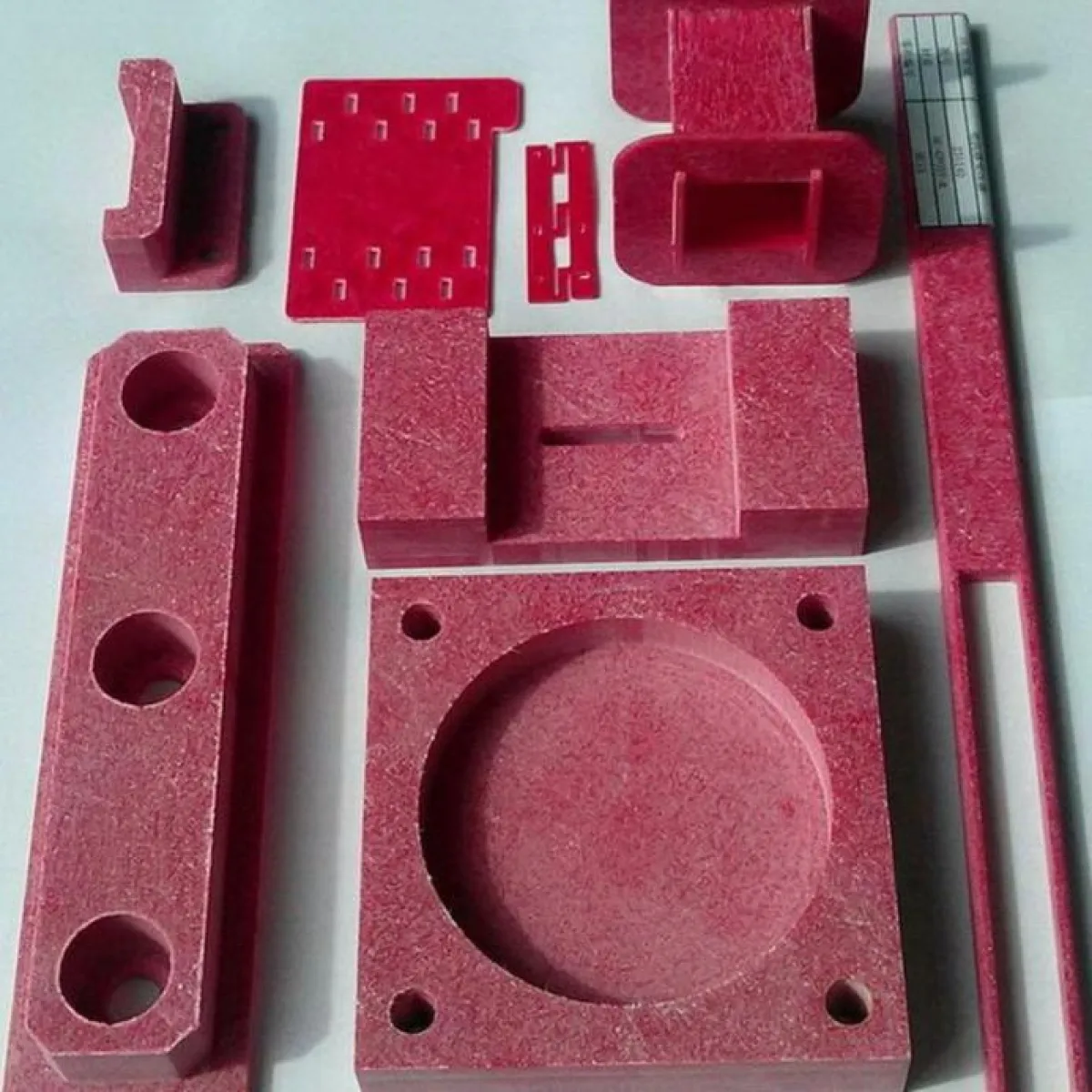
Compared with many conventional insulation materials, GPO-3 offers two particularly important advantages: strong resistance to heat and moisture, and stable electrical insulation p
However, selecting a cryogenic insulation material based only on its standard properties may not be enough. In actual service, continuous immersion, concentrated mechanical loads,

Silicone Glass Cloth Sheet (G7) combines silicone resin with glass fiber cloth to provide a balance of high-temperature resistance, electrical insulation, mechanical strength, and
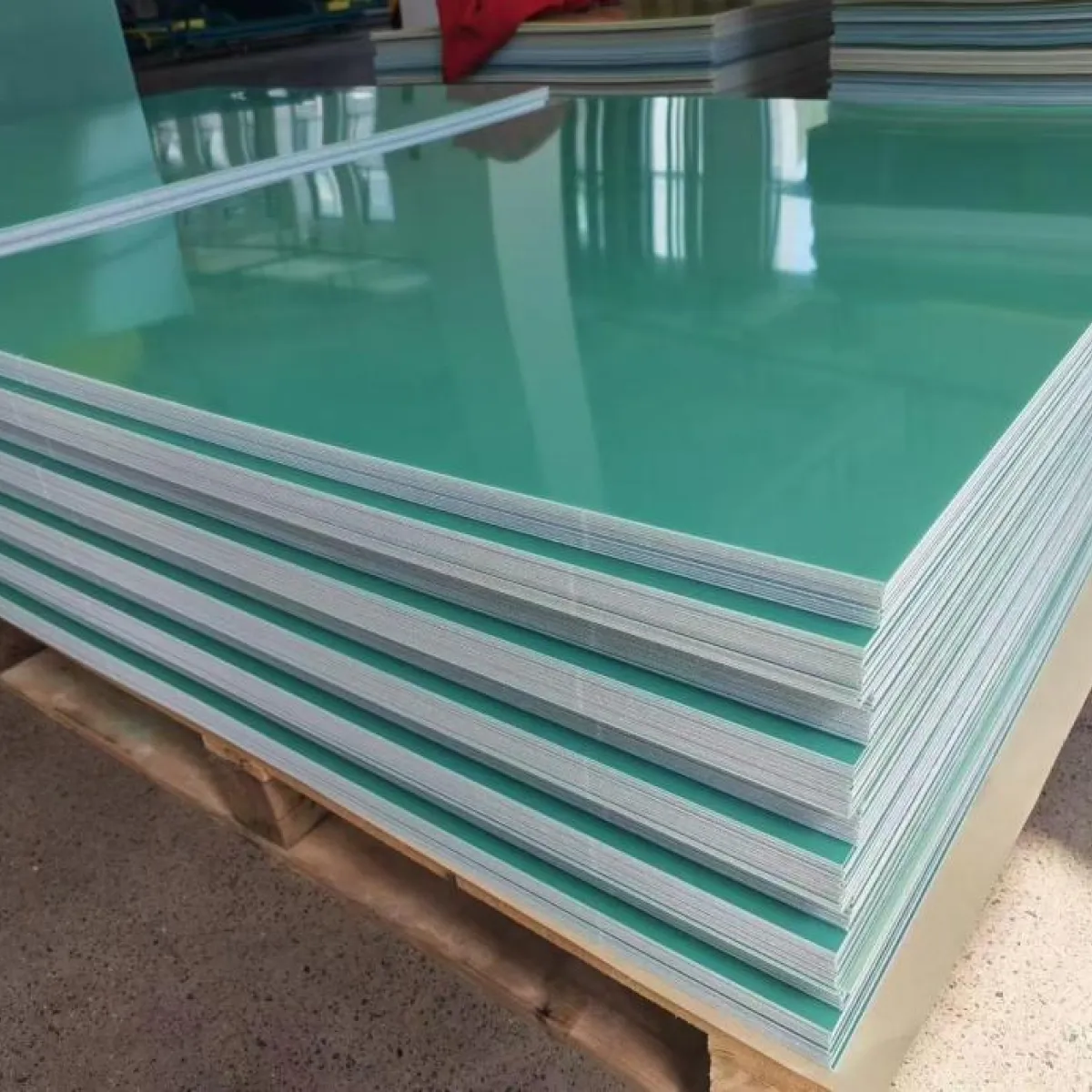
These properties make EPGC308 particularly suitable for electrical equipment operating under high temperature, high humidity and high-voltage conditions.
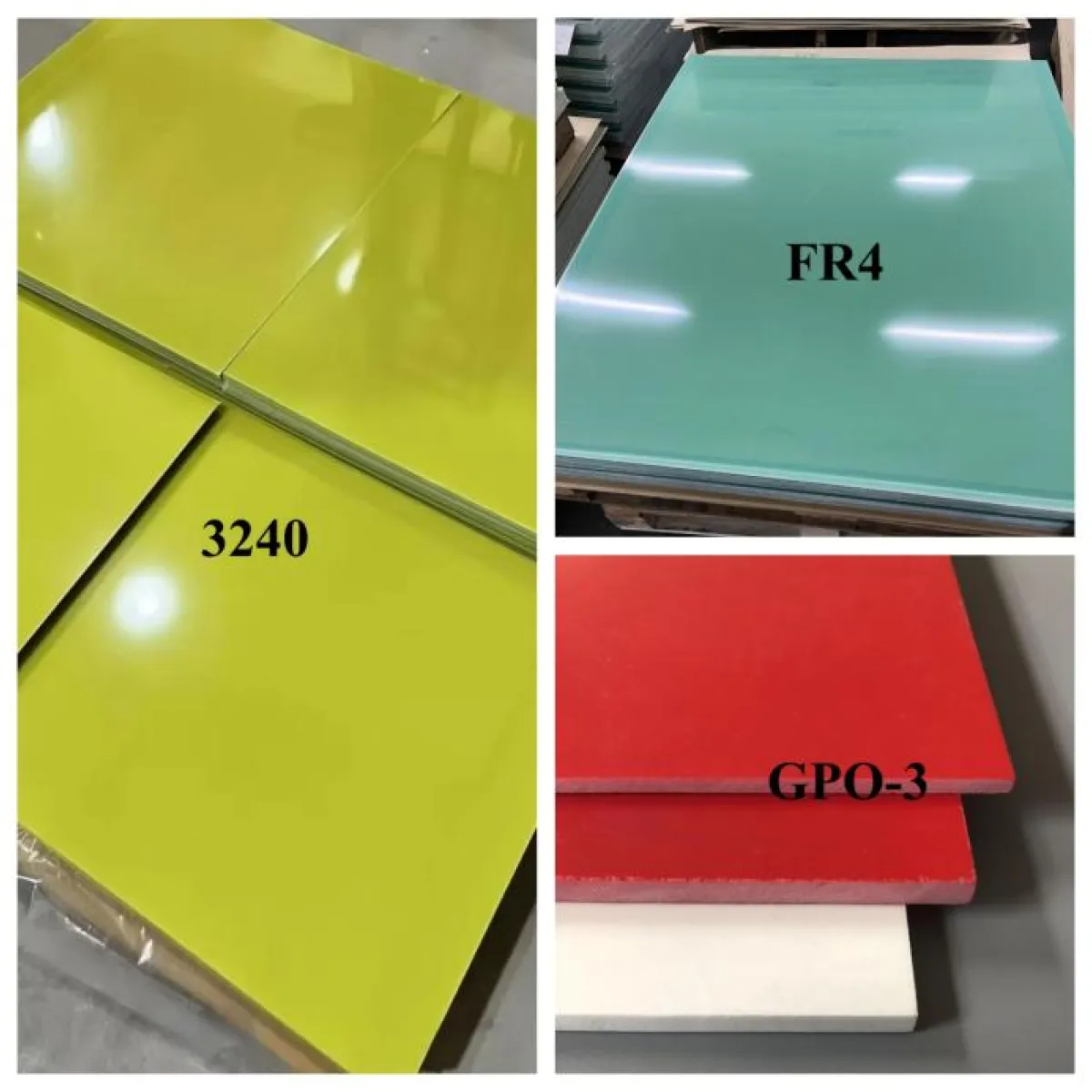
Understanding these differences can help engineers and buyers select the most suitable insulation material for their specific operating conditions.
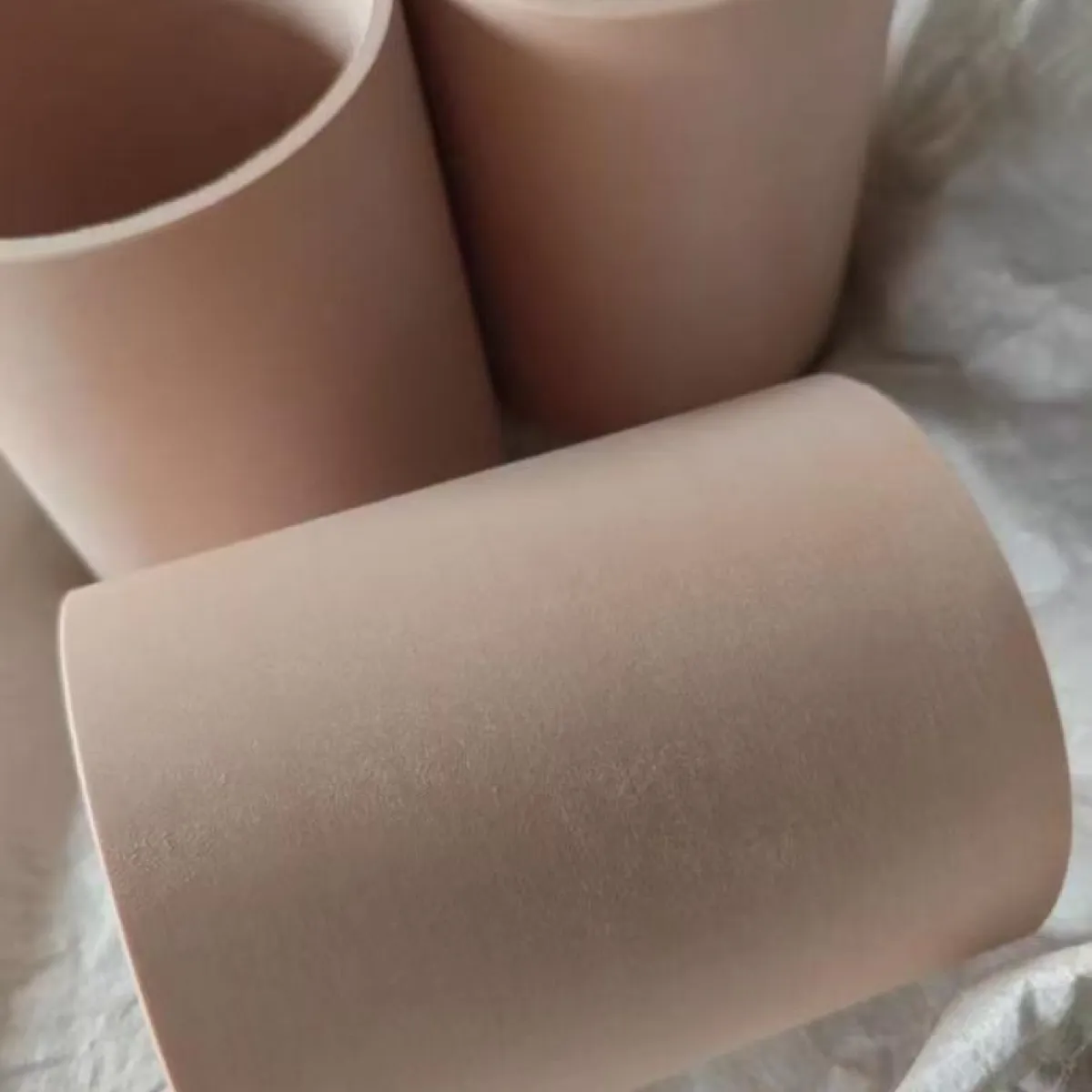
Phenolic Cotton Tube boasts multiple prominent competitive strengths for industrial use. It features extraordinary insulating performance: fully non-conductive, anti-static, and st
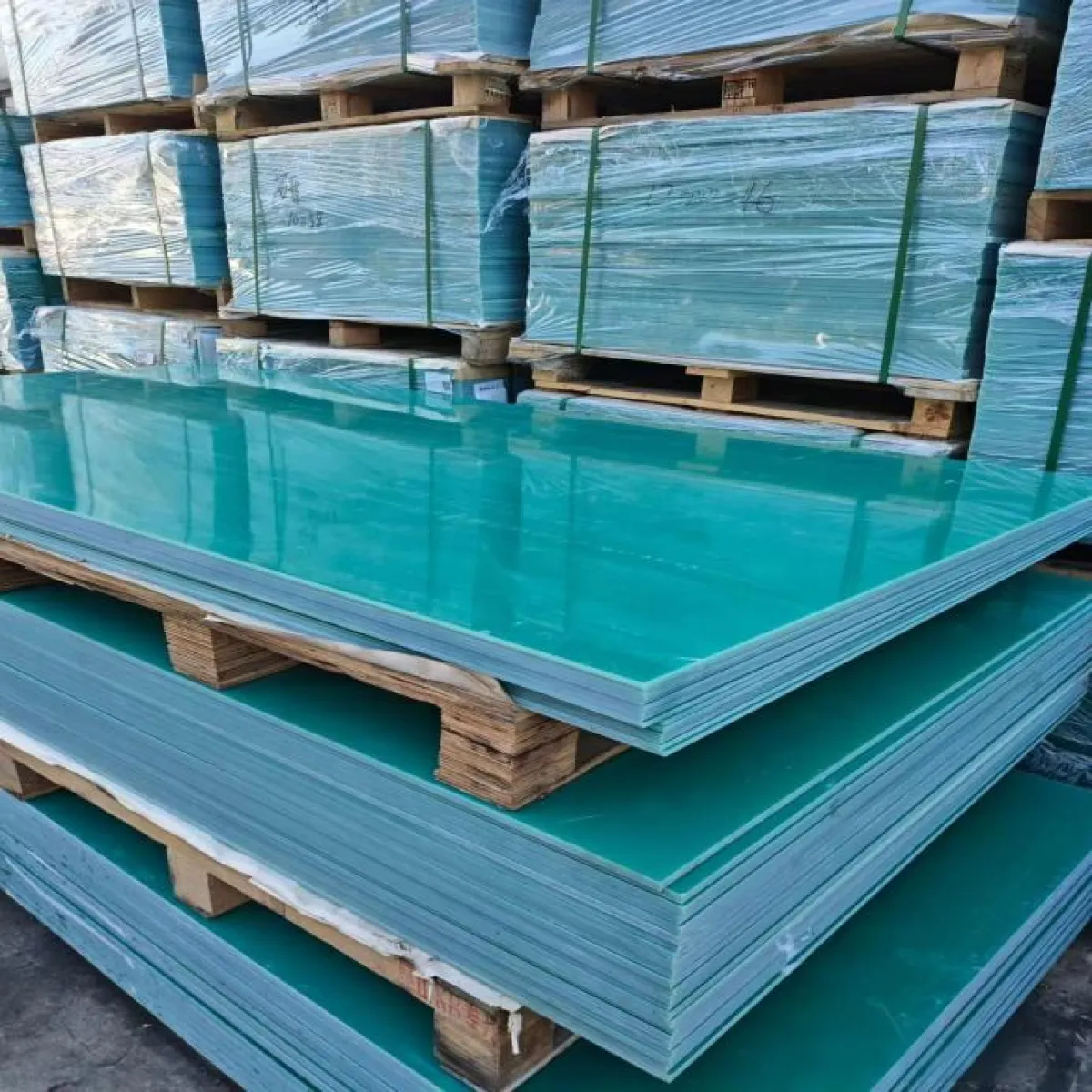
First let us look at its regular uses. In power plants, substations, power distribution rooms and other sites, Insulation Laminated Board is commonly laid on floors to avoid electr
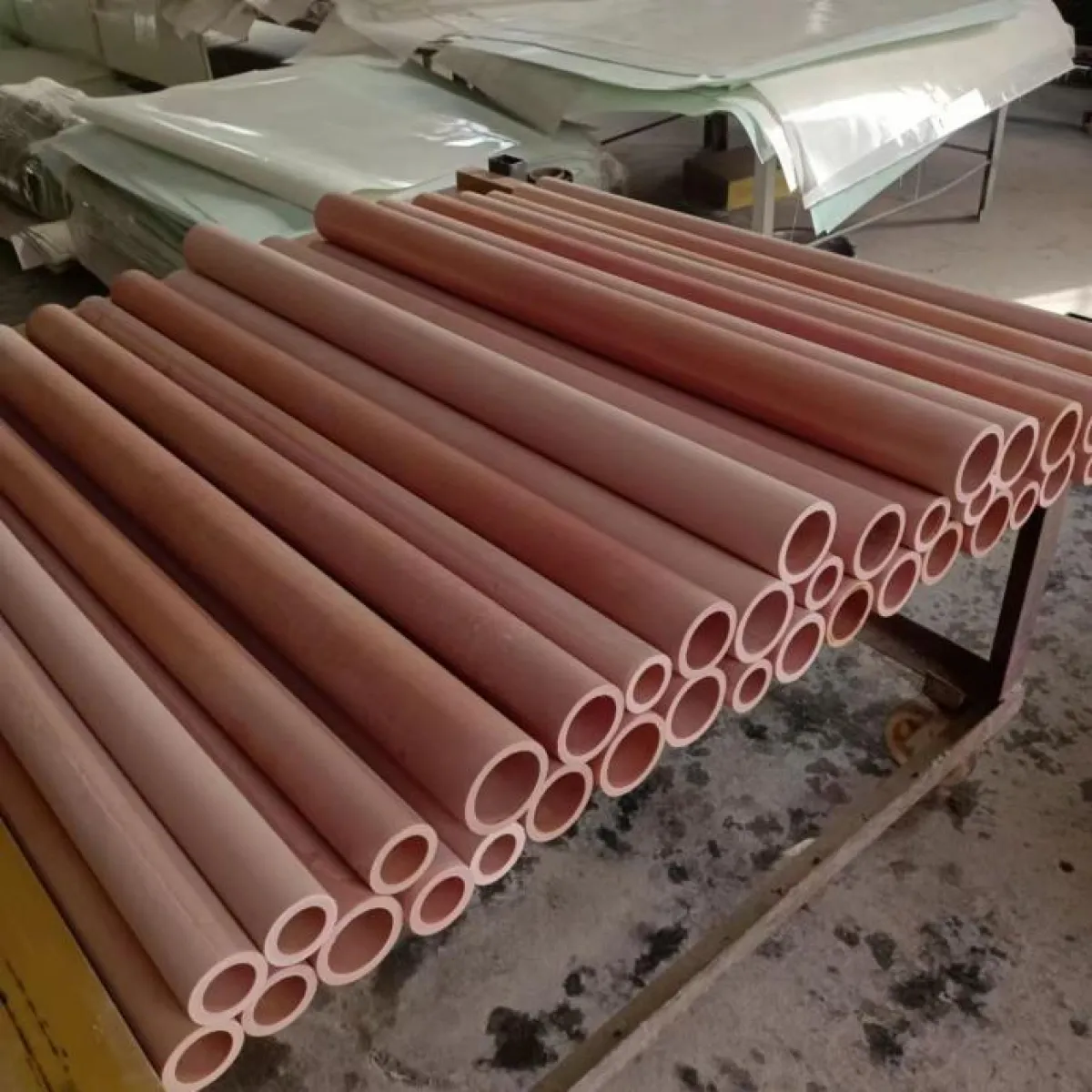
From the perspective of composite materials, Phenolic Cloth Tube is not made of a single substance, but formed by combining thermosetting phenolic resin with reinforcing materials

No.3, Mianzhi Street, Zhucheng, Shandong, China





Copyright © 2026 by Qingdao Yilong Insulation Material Company Limited All Rights Reserved