
Cast Nylon is a widely recognized engineering plastic known for its excellent mechanical strength, wear resistance, low friction coefficient, and stable electrical insulation performance. As industrial equipment continues to demand higher efficiency, durability, and cost control, Cast Nylon has become an ideal alternative to traditional metal components across multiple industries.
At YILONG, we specialize in supplying high-quality Cast Nylon sheets, rods, and precision-machined components, supporting customers worldwide in food processing, beverage production, wine bottling, canning systems, automotive manufacturing, and general industrial applications.
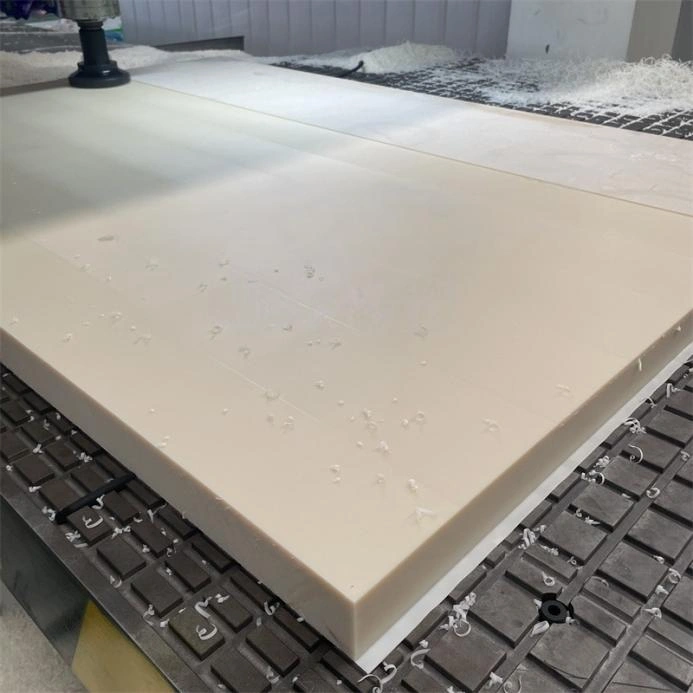
Material Characteristics and Manufacturing Advantages of Cast Nylon
Cast Nylon is produced through a casting process in which liquid monomer is polymerized directly in molds. Compared with extruded nylon, this manufacturing method results in lower internal stress, improved dimensional stability, and superior mechanical performance.
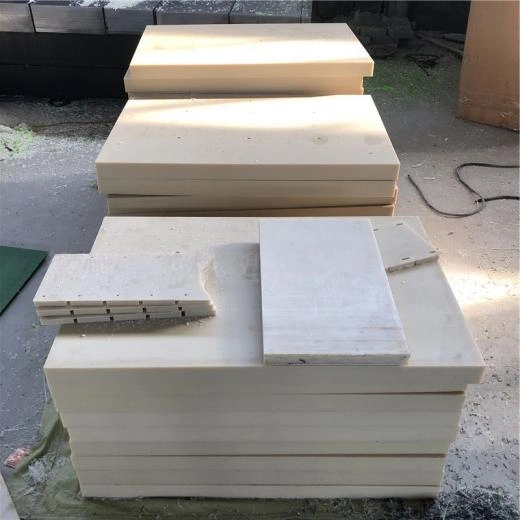
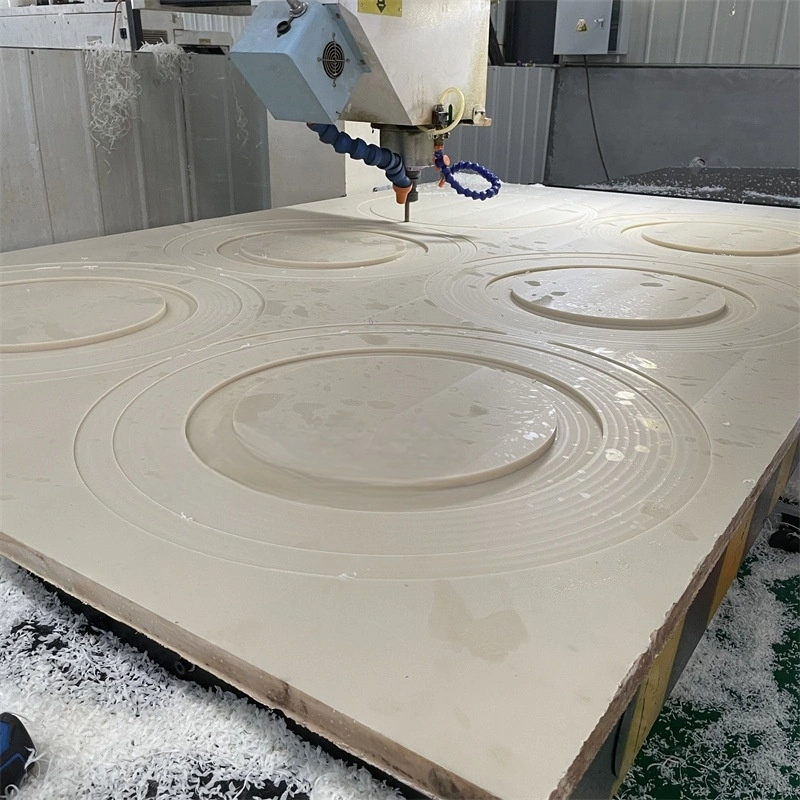
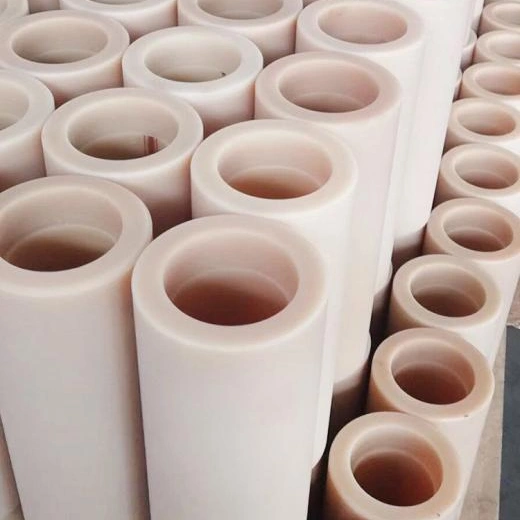
Key material advantages include high load-bearing capacity, excellent wear resistance, low friction behavior, strong chemical resistance, and reliable electrical insulation. These properties make Cast Nylon particularly suitable for components operating under continuous motion, heavy loads, or demanding environmental conditions.
Stable Electrical Insulation Performance
As a non-conductive material, Cast Nylon provides dependable electrical insulation, helping reduce the risk of short circuits and electrical failures. It is commonly used in insulating components such as bushings, spacers, supports, and structural parts within electrical and automation equipment, where safety and stability are critical.
High Mechanical Strength for Long-Term Use
Cast Nylon offers outstanding mechanical durability, allowing components to withstand repeated mechanical stress, impact, and continuous operation. This makes it an excellent choice for industrial machinery that requires reliable performance over extended service life.
In food machinery and processing equipment, where operational loads are high and downtime must be minimized, Cast Nylon components help maintain structural integrity and operational consistency.
Excellent Wear Resistance and Reduced Maintenance
Many industrial components experience constant friction and abrasion during operation. Cast Nylon’s superior wear resistance significantly extends service life, reducing replacement frequency and maintenance costs.
This advantage is especially important in beverage processing and canning industries, where production lines often operate continuously. By minimizing wear-related failures, Cast Nylon contributes to smoother operation and improved production efficiency.
Low Friction for Smooth and Efficient Operation
One of the key benefits of Cast Nylon is its low coefficient of friction. In applications involving sliding or rotating parts, this characteristic reduces surface wear, operating noise, and energy consumption.
In wine bottling and beverage processing systems, Cast Nylon guide rails, rollers, and moving components help ensure precise bottle handling, stable transport, and consistent production performance.
Cost-Effective Alternative to Metal Materials
Cast Nylon provides an economical solution compared to metal components without compromising performance. Its lighter weight, corrosion resistance, and reduced lubrication requirements contribute to lower overall operating costs.
Typical Applications of Cast Nylon
For food machinery manufacturers and industrial equipment suppliers, the long service life and minimal maintenance needs of Cast Nylon components result in significant long-term cost savings.
Cast Nylon is widely used across many industries due to its excellent mechanical strength, wear resistance, chemical stability, and low friction performance. Its versatility makes it a reliable material choice for demanding operating environments.
Water and Wastewater Infrastructure
Sustainable wastewater treatment and recycling systems require materials that can withstand abrasion, moisture, and corrosive conditions. Cast Nylon’s superior wear resistance and corrosion resistance make it suitable for components exposed to continuous contact with water and debris. Typical applications include outrigger pads, scrapers, stoppers, boom pads, levers, and skate rollers.
Agricultural Equipment
Agricultural machinery operates under heavy loads, frequent movement, and harsh outdoor conditions. Cast Nylon’s high resistance to abrasion and wear ensures long service life and dependable performance. It is commonly used for wear parts on heavily utilized equipment that must perform reliably in varying weather and working conditions.
Chemical and Industrial Processing
Chemical resistance is a critical requirement in industrial and processing environments. Cast Nylon performs well when exposed to oils, fuels, and many chemicals while maintaining its mechanical properties. Common applications include wear plates, sprockets, rollers, washers, winches, ROV components, friction reducers, and other custom-machined parts.
Construction Equipment
The construction industry relies on durable and strong materials to ensure equipment reliability and operator safety. Thanks to its high tensile and compressive strength, Cast Nylon is frequently used in sheaves and pulleys, spacers, pipe clamps, gears, levers, skate rollers, outrigger pads, and various custom components.
Transportation and Logistics
Trains, aircraft, and trucks play a key role in global cargo transportation, where efficiency and reliability are essential. Certain grades of Cast Nylon offer self-lubricating properties and a low coefficient of friction, helping to improve productivity, reduce maintenance, and support continuous operation in fast-paced logistics environments.
Marine and Maritime Applications
Operations in or near water expose materials to harsh weather, constant moisture, and mechanical wear. Cast Nylon’s excellent resistance to abrasion and corrosion makes it highly suitable for marine applications, where long-term durability and stable performance are required.
Sawmills and Wood Processing
Modern sawmills operate at increasingly high speeds, which places greater stress on equipment. Cast Nylon is commonly used for components such as chain beds and liners. Its self-lubricating characteristics reduce friction, minimize chain wear, and help lower the risk of chain breakage, improving overall operational efficiency.
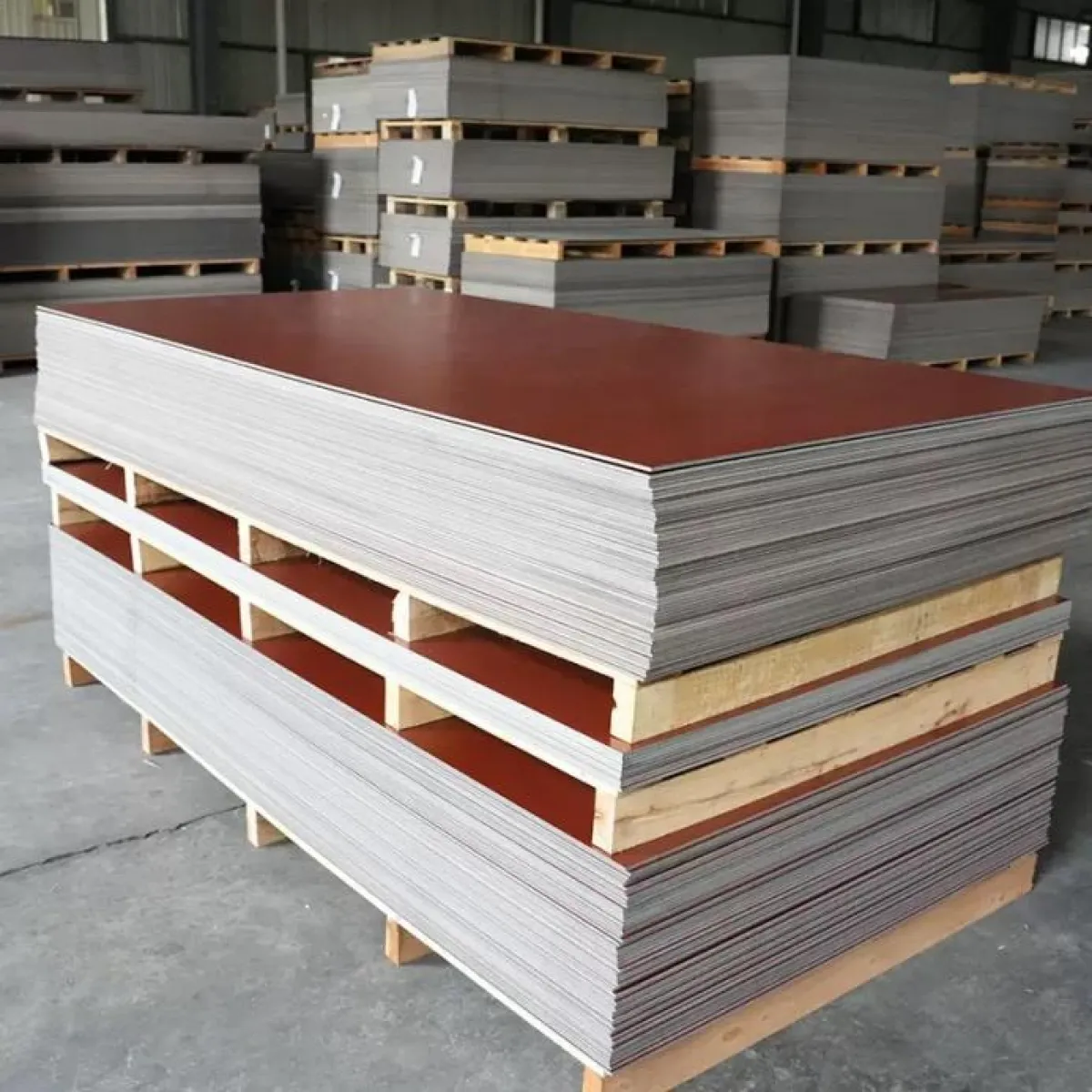
PFCP201 is manufactured using high-quality insulating paper impregnated with phenolic resin. After the raw materials are carefully inspected, the paper is passed through an automat
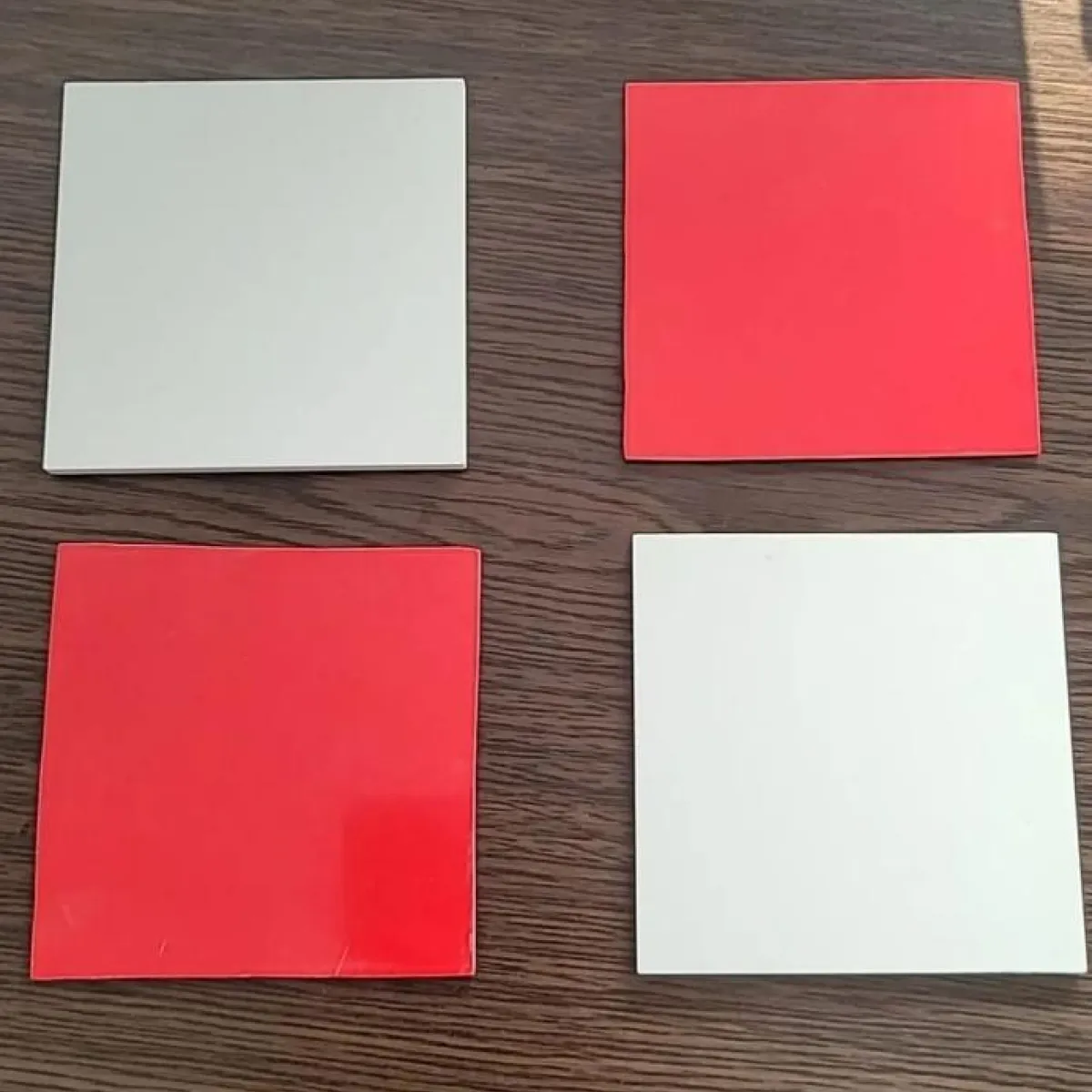
GPO-3 insulation board, also known as UPGM-203, is a rigid electrical insulation material made from alkali-free glass fiber mat impregnated with unsaturated polyester resin and pro
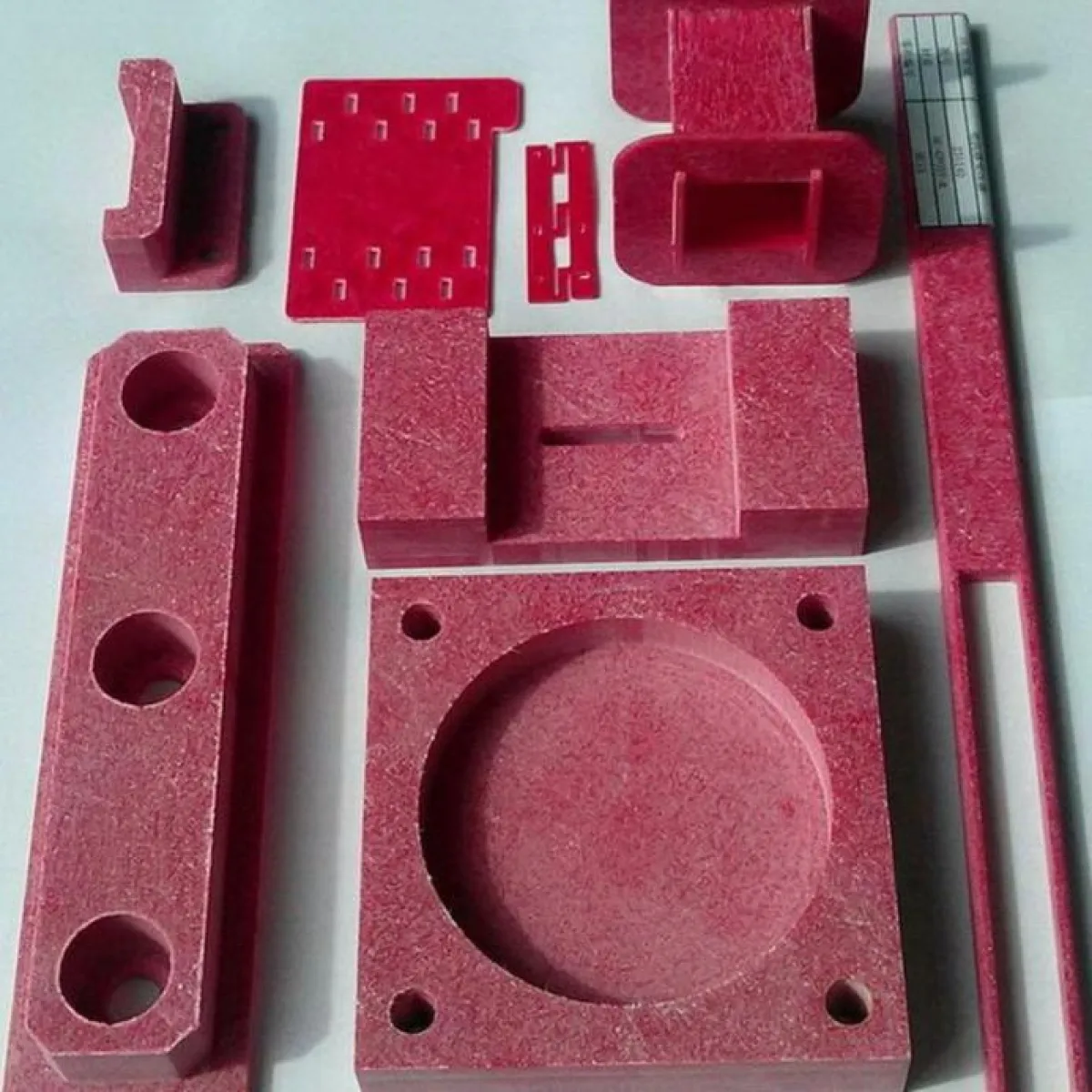
Compared with many conventional insulation materials, GPO-3 offers two particularly important advantages: strong resistance to heat and moisture, and stable electrical insulation p
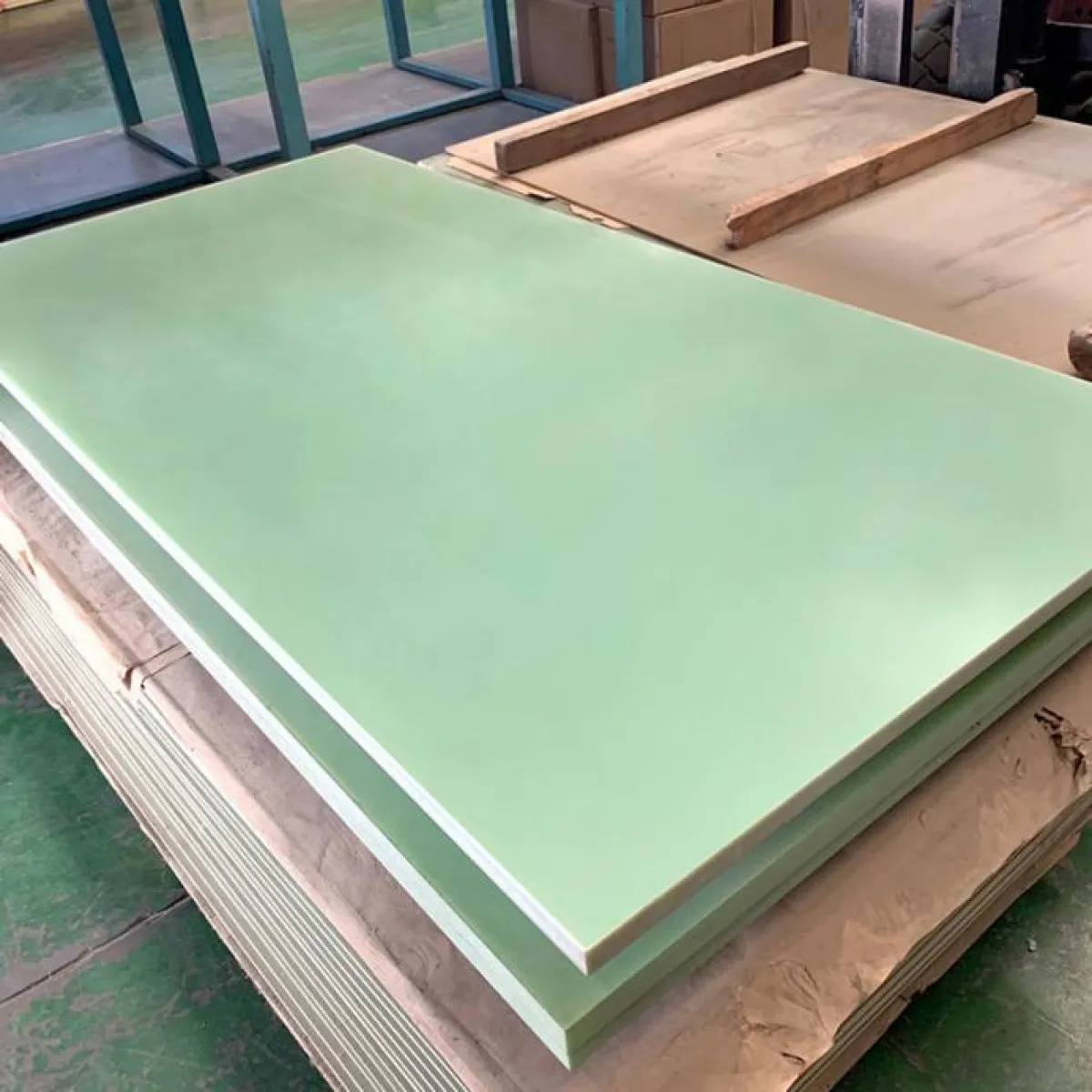
However, selecting a cryogenic insulation material based only on its standard properties may not be enough. In actual service, continuous immersion, concentrated mechanical loads,

Silicone Glass Cloth Sheet (G7) combines silicone resin with glass fiber cloth to provide a balance of high-temperature resistance, electrical insulation, mechanical strength, and
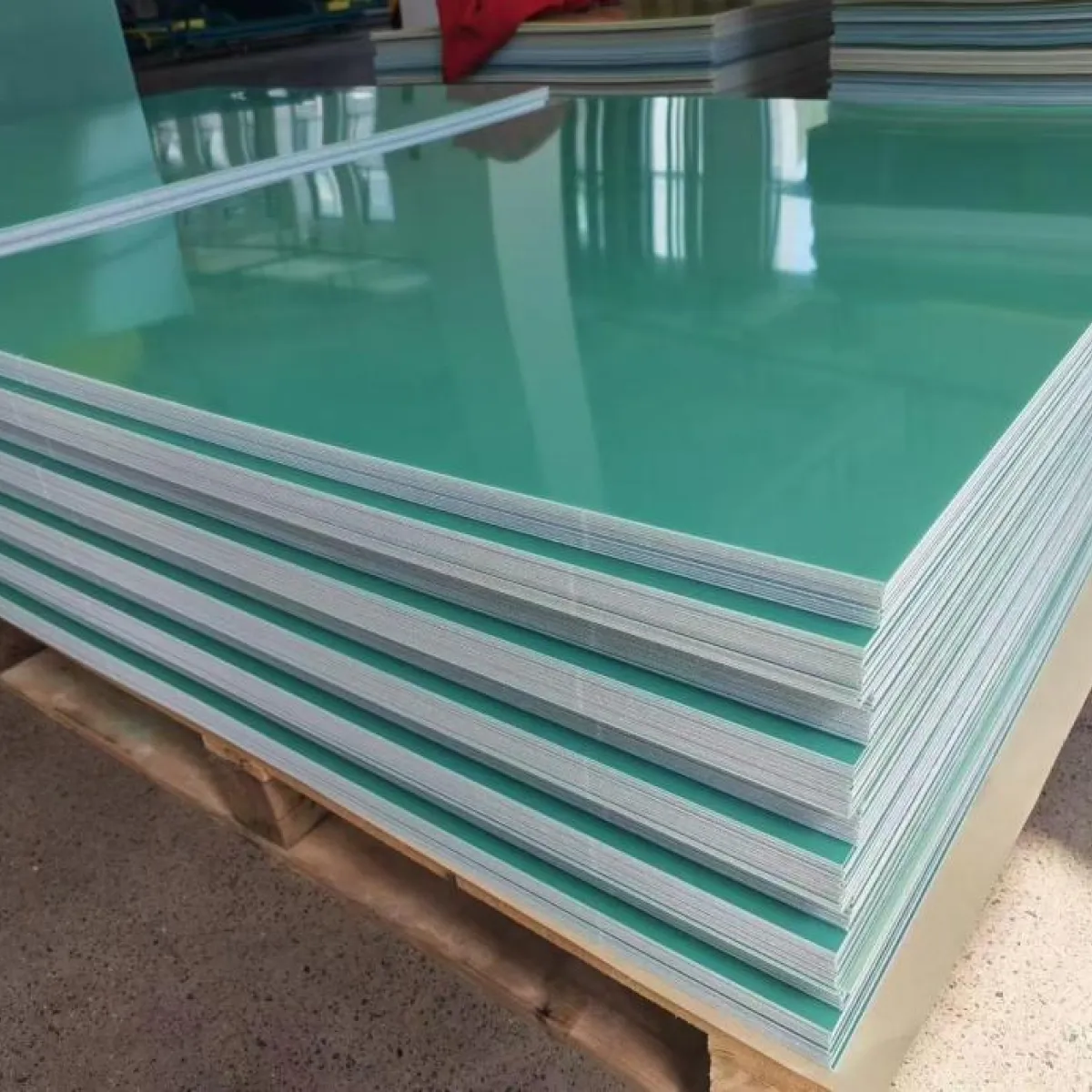
These properties make EPGC308 particularly suitable for electrical equipment operating under high temperature, high humidity and high-voltage conditions.
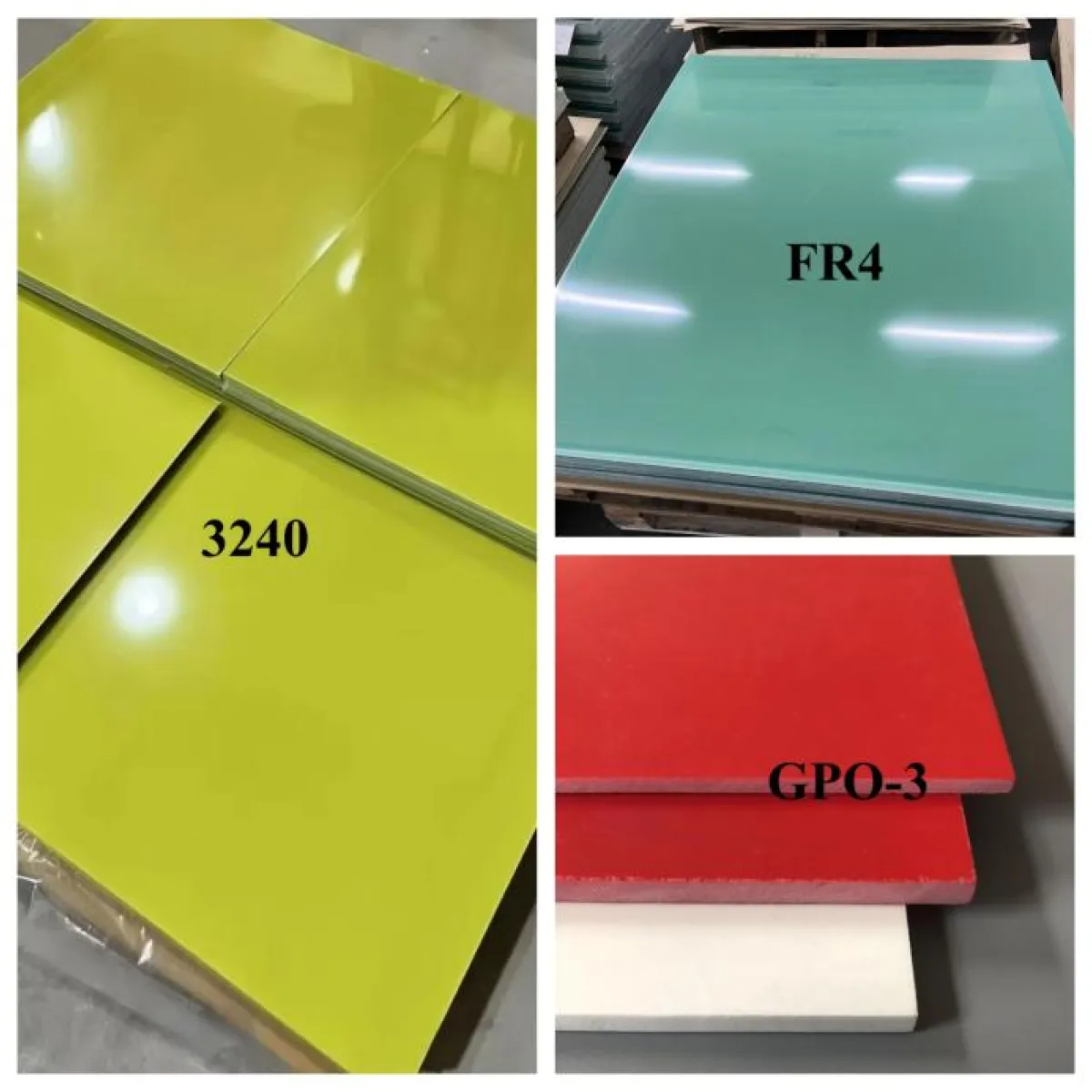
Understanding these differences can help engineers and buyers select the most suitable insulation material for their specific operating conditions.
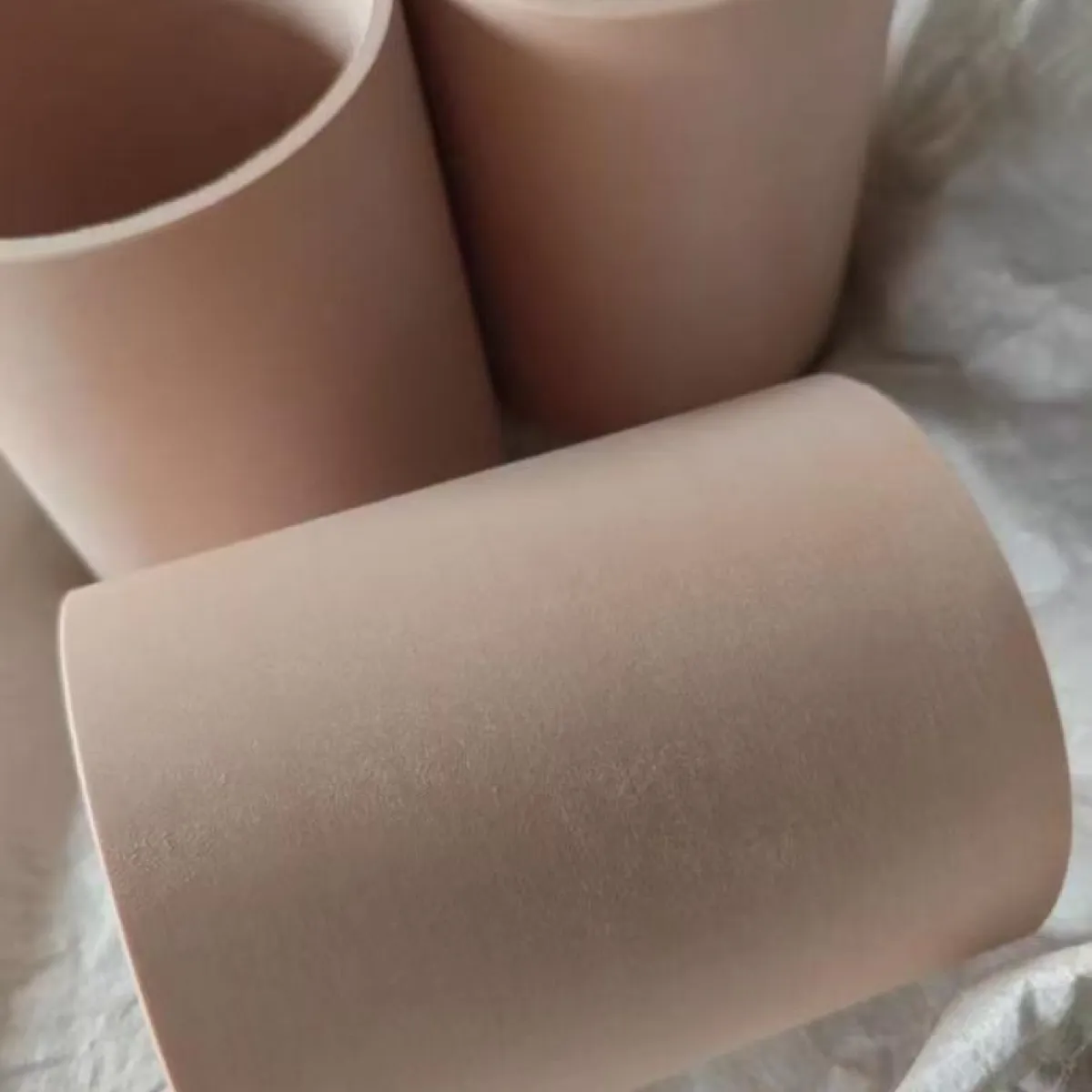
Phenolic Cotton Tube boasts multiple prominent competitive strengths for industrial use. It features extraordinary insulating performance: fully non-conductive, anti-static, and st
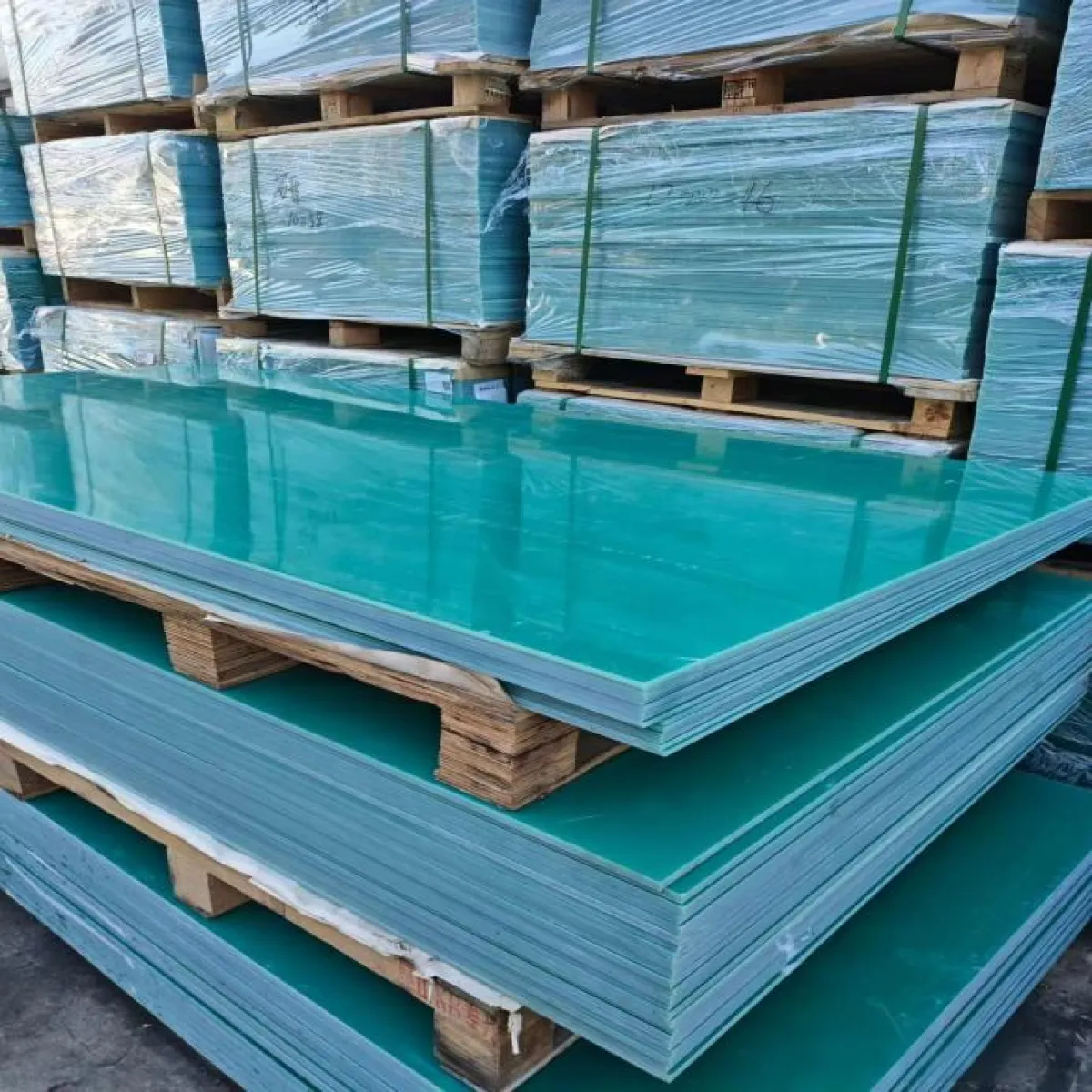
First let us look at its regular uses. In power plants, substations, power distribution rooms and other sites, Insulation Laminated Board is commonly laid on floors to avoid electr
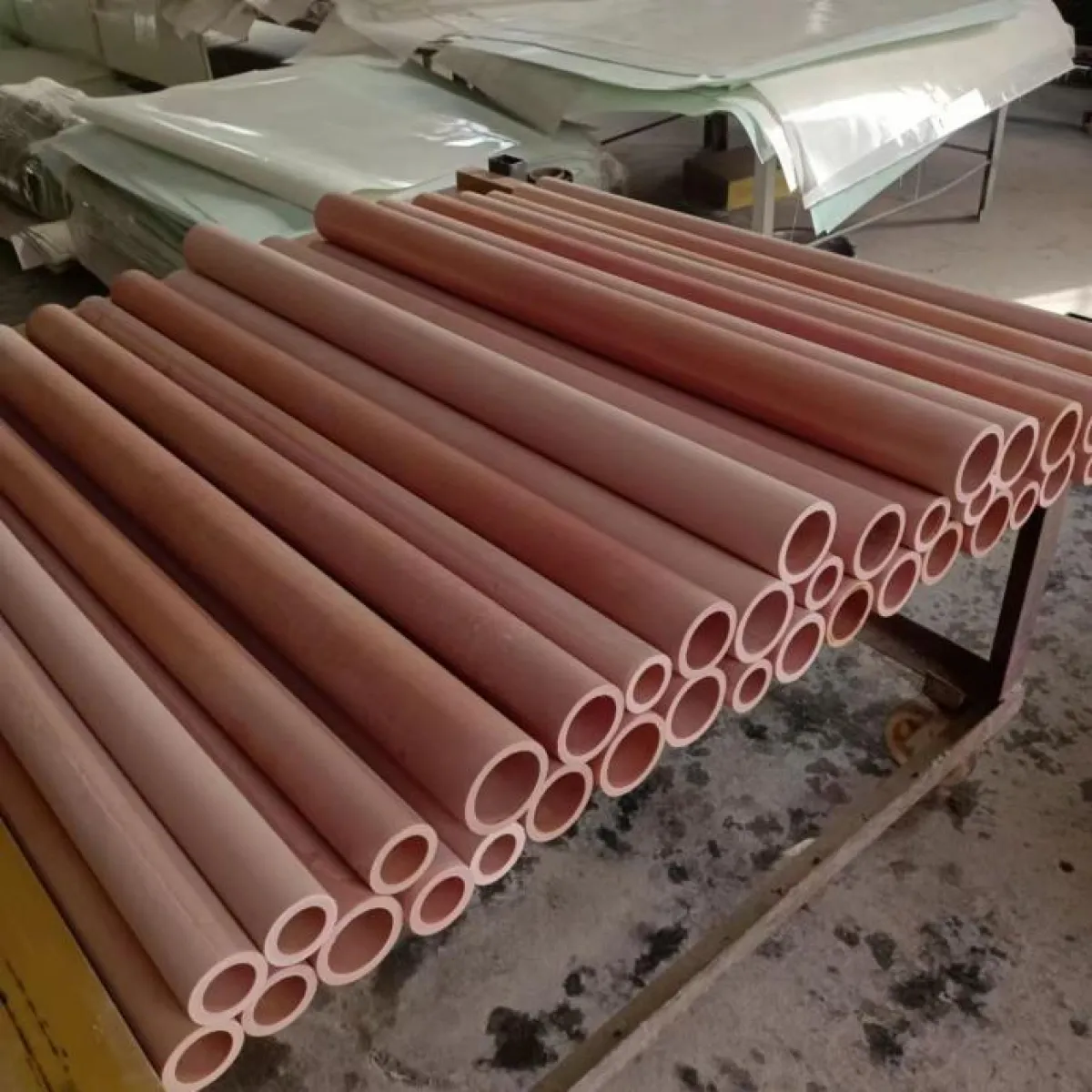
From the perspective of composite materials, Phenolic Cloth Tube is not made of a single substance, but formed by combining thermosetting phenolic resin with reinforcing materials

No.3, Mianzhi Street, Zhucheng, Shandong, China





Copyright © 2026 by Qingdao Yilong Insulation Material Company Limited All Rights Reserved