
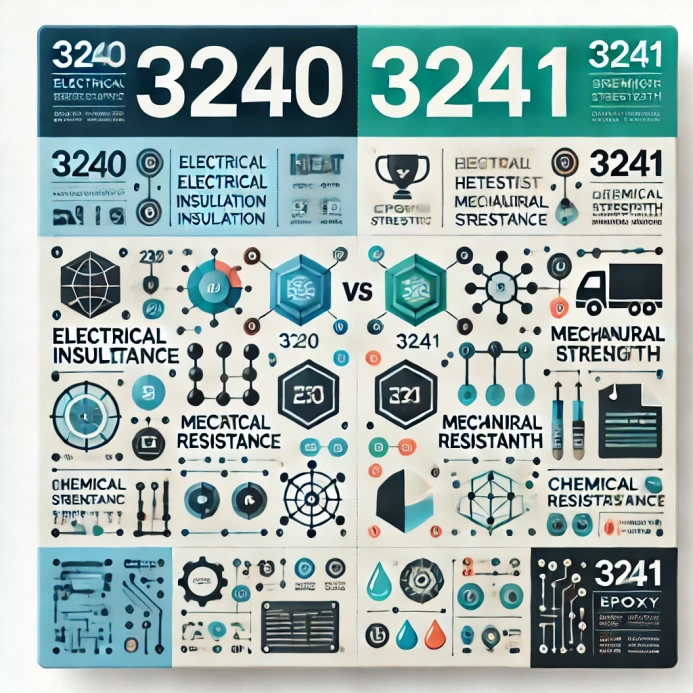
3240 and 3241 Epoxy Sheets are high-performance laminated materials widely applied in electrical, industrial, aerospace, and automotive industries. Both are glass cloth-reinforced epoxy-phenolic laminates, but they differ in resin formulation and resulting performance, making each suitable for specific industrial requirements. Understanding these differences is crucial for selecting the most appropriate material for insulation, structural, or high-temperature applications.
Mechanical Properties and Structural Performance
3240 epoxy sheet is known for exceptional tensile strength, rigidity, and dimensional stability. Its tightly woven glass cloth provides superior impact resistance and mechanical robustness, ideal for high-precision components, such as transformer supports, switchgear insulators, and structural parts in heavy machinery.
3241 epoxy sheet offers slightly lower tensile strength but higher flexibility and fatigue resistance. This makes 3241 suitable for applications involving cyclic loading, minor bending, or repeated mechanical stress. Its machinability is also improved compared to 3240, allowing more intricate shaping and customized components without compromising performance.
Thermal and Electrical Characteristics
Electrical insulation is a defining property of both 3240 and 3241. 3240 excels in dielectric strength and voltage breakdown resistance, making it the preferred choice for high-voltage insulators, busbar supports, and critical electrical assemblies. It also has low thermal conductivity, offering excellent insulation for temperature-sensitive components.
3241, while slightly lower in dielectric strength, provides enhanced heat resistance, higher thermal dissipation, and greater stability under high-frequency electrical conditions. Its coefficient of thermal expansion is marginally higher, which can help relieve stress in applications exposed to rapid or extreme temperature changes.
Chemical Resistance and Environmental Durability
3240 demonstrates moderate chemical resistance, making it suitable for general industrial environments with limited exposure to aggressive chemicals. In contrast, 3241 offers superior chemical inertness and moisture resistance, allowing it to perform reliably in harsh chemical processing, petrochemical equipment, or outdoor installations subject to humidity and environmental variations.
Wear, Machinability, and Surface Properties
For applications involving mechanical wear or repeated contact, 3240 offers high surface hardness and abrasion resistance. 3241, though slightly softer, provides easier machining for complex components and superior surface finish, which is advantageous in precision parts, CNC-cut components, or equipment requiring tight tolerances.
Application-Specific Comparison
Electrical and Electronics: 3240 is ideal for high-voltage insulators, transformers, switchgear, and motor components requiring precise dimensions. 3241 is favored in high-frequency electronics, circuit boards, telecommunications equipment, and power modules where heat management and signal integrity are critical.
Aerospace and Automotive: 3240 is used in aircraft interiors, vehicle electrical systems, and structural insulation parts, benefiting from high strength-to-weight ratio and flame retardancy. 3241 is chosen for components near engines, high-temperature zones, and advanced composite structures due to its enhanced thermal stability and machinability.
Industrial Machinery: 3240 fits heavy equipment insulation, electrical enclosures, and control panels needing high dielectric strength. 3241 suits chemical and petrochemical machinery, sterilizable components, and parts exposed to high-temperature steam or cleaning agents.
Specialized Applications: 3240 is preferred where dimensional precision and high-voltage insulation are critical, such as switchgear busbars and precision motor insulation. 3241 is better for applications where thermal expansion management, chemical exposure, or repeated mechanical stress is present, such as in high-temperature circuit supports, industrial sensors, or custom-machined parts.
Choosing Between 3240 and 3241
The choice depends on operational priorities:
Use 3240 for applications demanding superior electrical insulation, mechanical strength, dimensional stability, and impact resistance.
Choose 3241 for high-temperature environments, chemical exposure, frequent mechanical stress, or components requiring precision machining and enhanced thermal performance.
Both materials deliver high-quality, long-lasting performance tailored for modern industrial, electrical, aerospace, and automotive needs.
For professional guidance and sourcing of 3240 and 3241 Epoxy Sheets, contact YILONG. We specialize in high-quality laminated insulating materials for a wide range of industries. Reach out via yilong@yilonginsulation.com to discuss your project requirements and select the optimal epoxy sheet solution for your application. material solution.
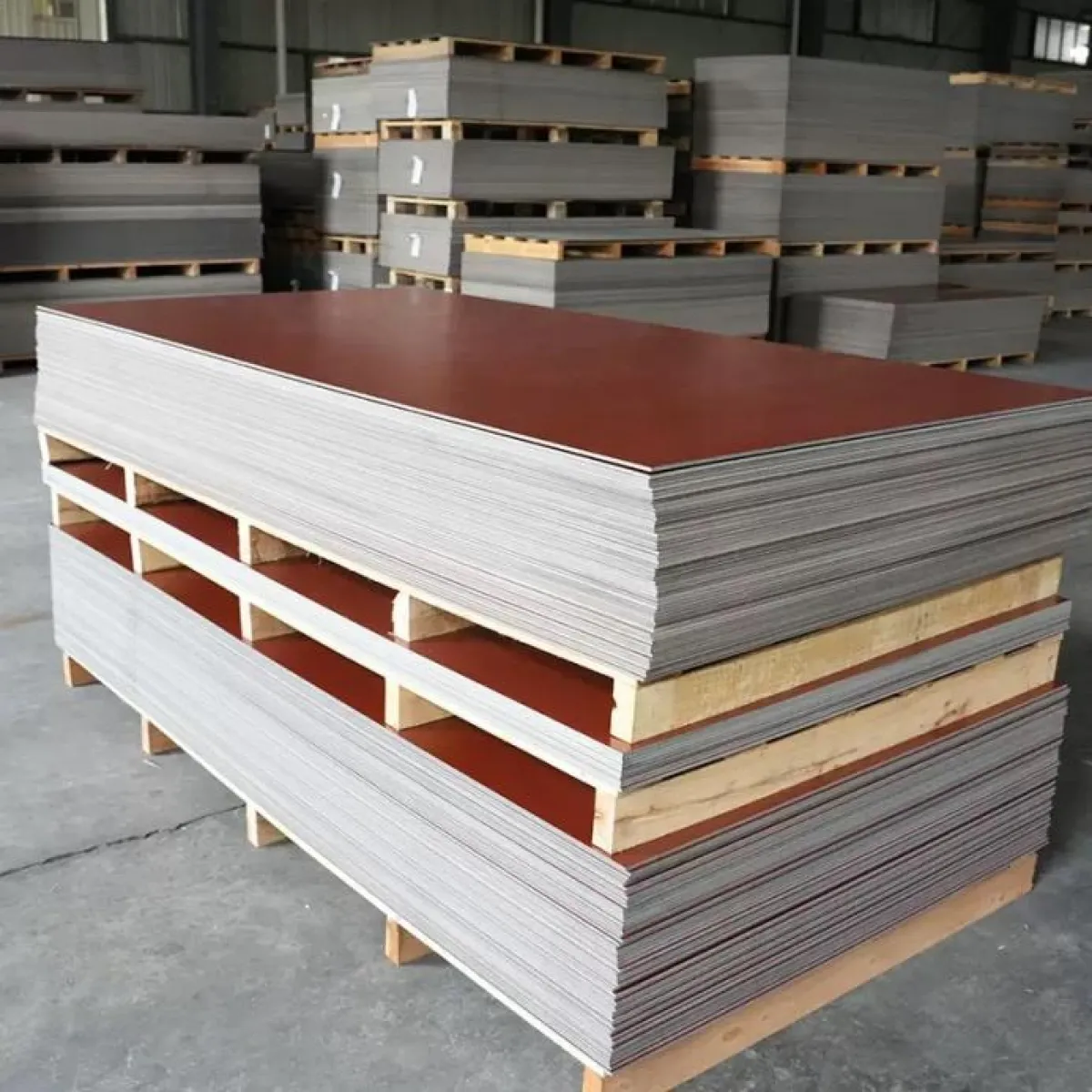
PFCP201 is manufactured using high-quality insulating paper impregnated with phenolic resin. After the raw materials are carefully inspected, the paper is passed through an automat
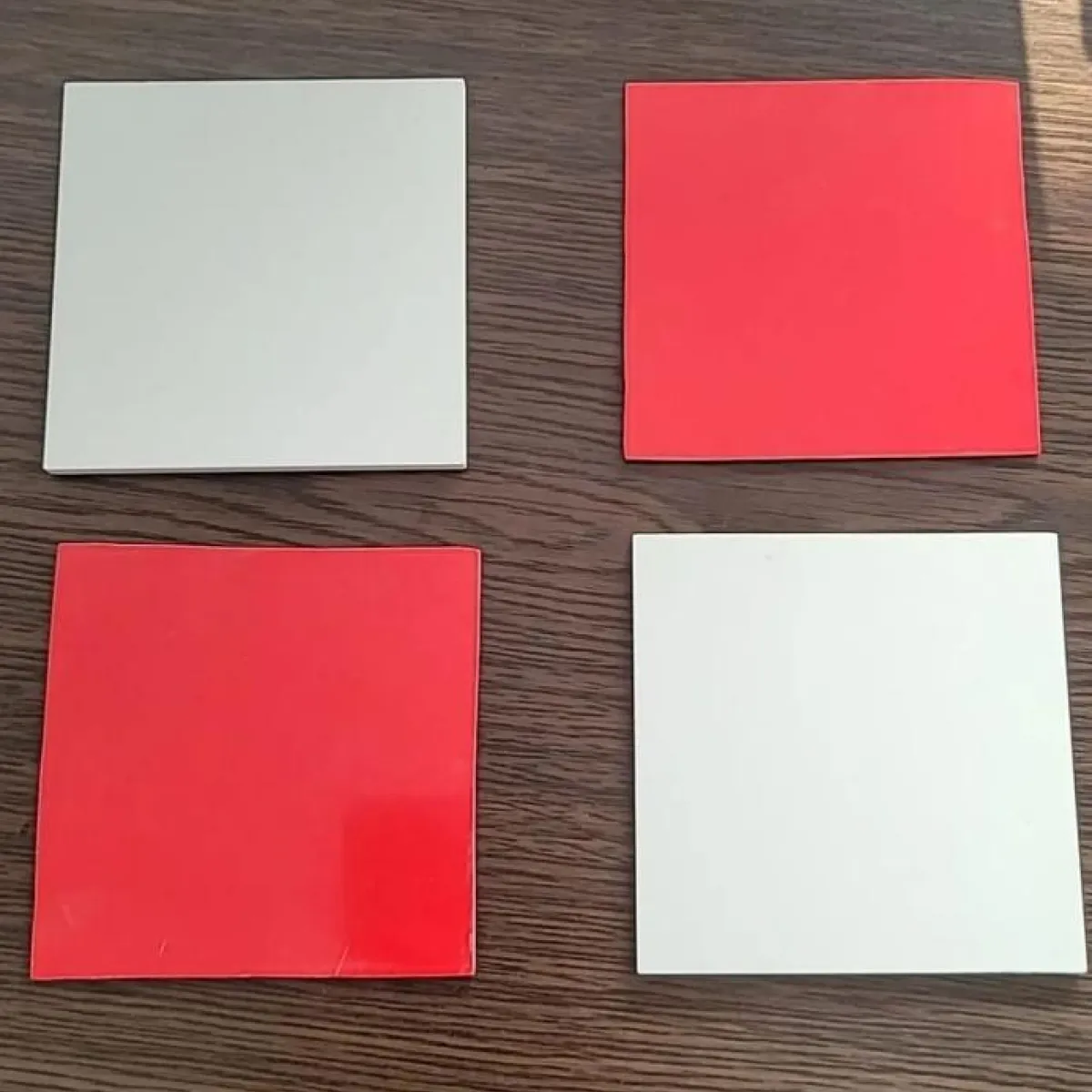
GPO-3 insulation board, also known as UPGM-203, is a rigid electrical insulation material made from alkali-free glass fiber mat impregnated with unsaturated polyester resin and pro
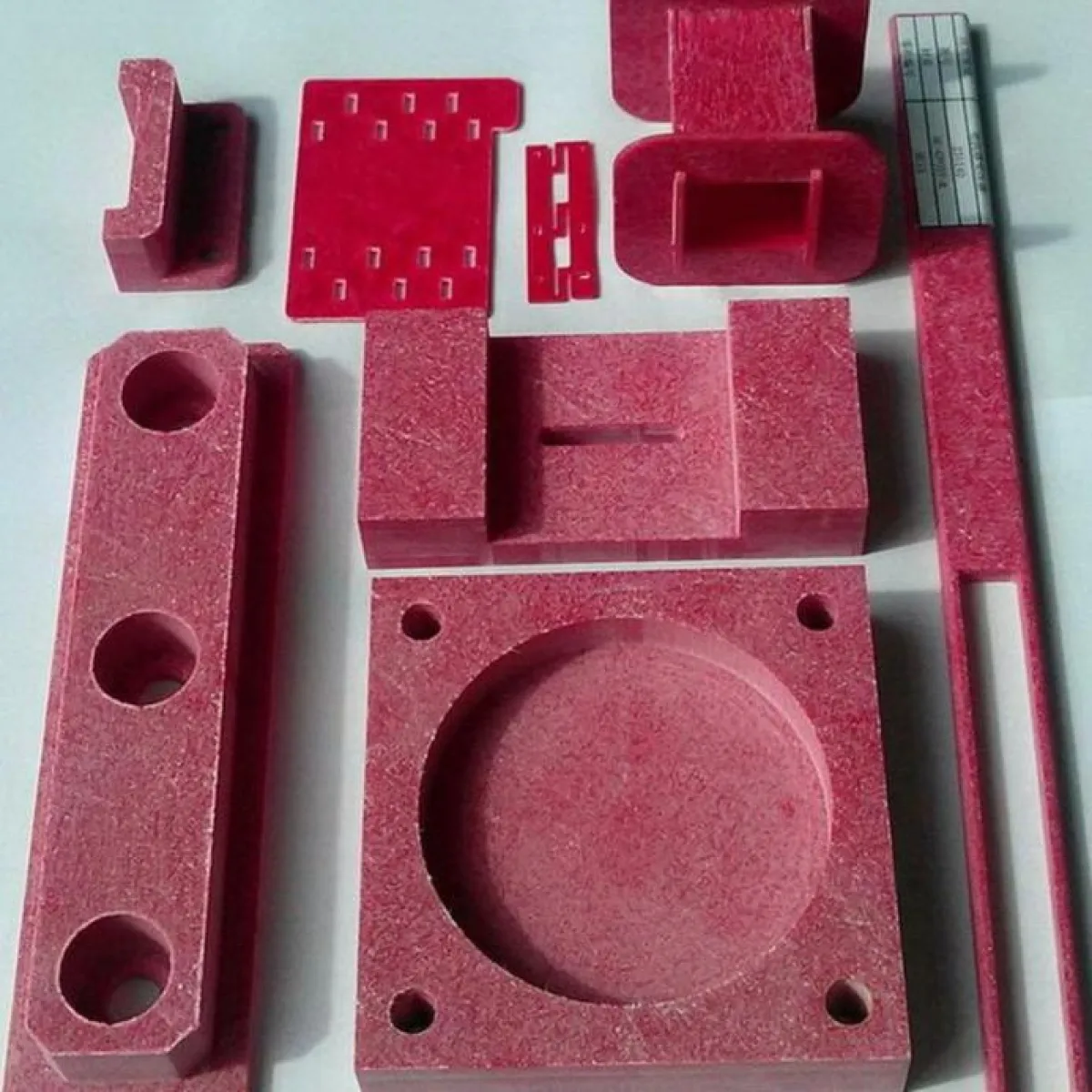
Compared with many conventional insulation materials, GPO-3 offers two particularly important advantages: strong resistance to heat and moisture, and stable electrical insulation p
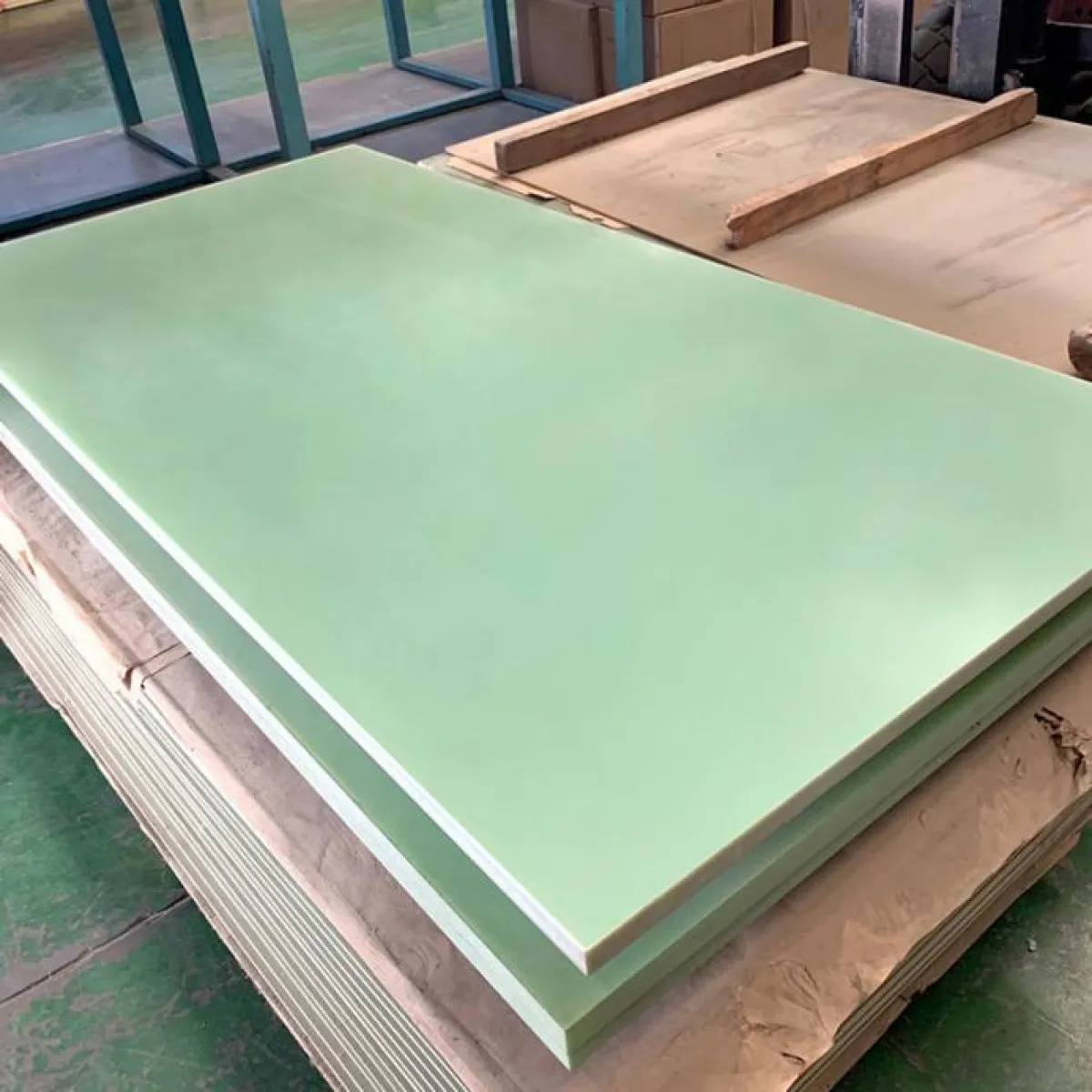
However, selecting a cryogenic insulation material based only on its standard properties may not be enough. In actual service, continuous immersion, concentrated mechanical loads,

Silicone Glass Cloth Sheet (G7) combines silicone resin with glass fiber cloth to provide a balance of high-temperature resistance, electrical insulation, mechanical strength, and
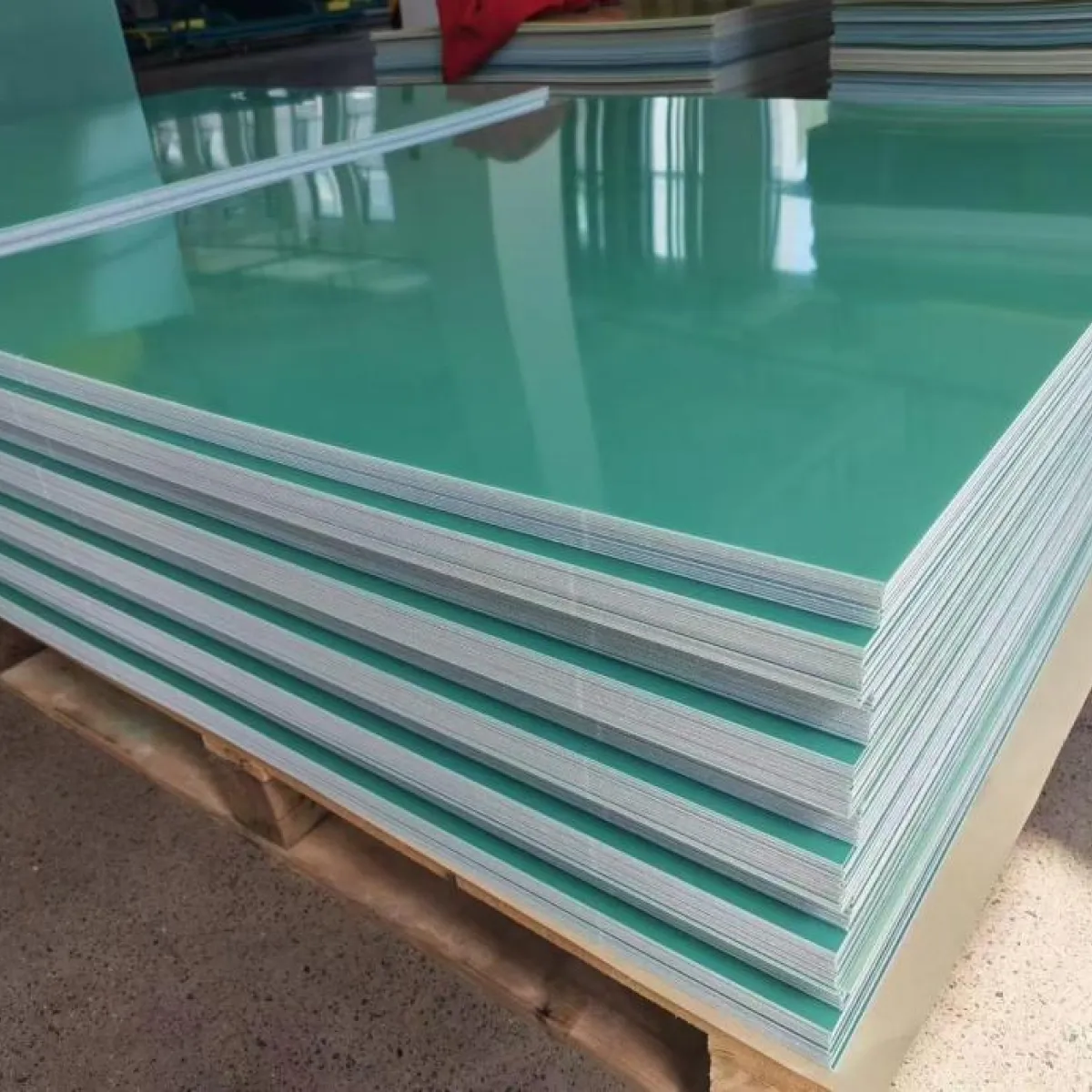
These properties make EPGC308 particularly suitable for electrical equipment operating under high temperature, high humidity and high-voltage conditions.
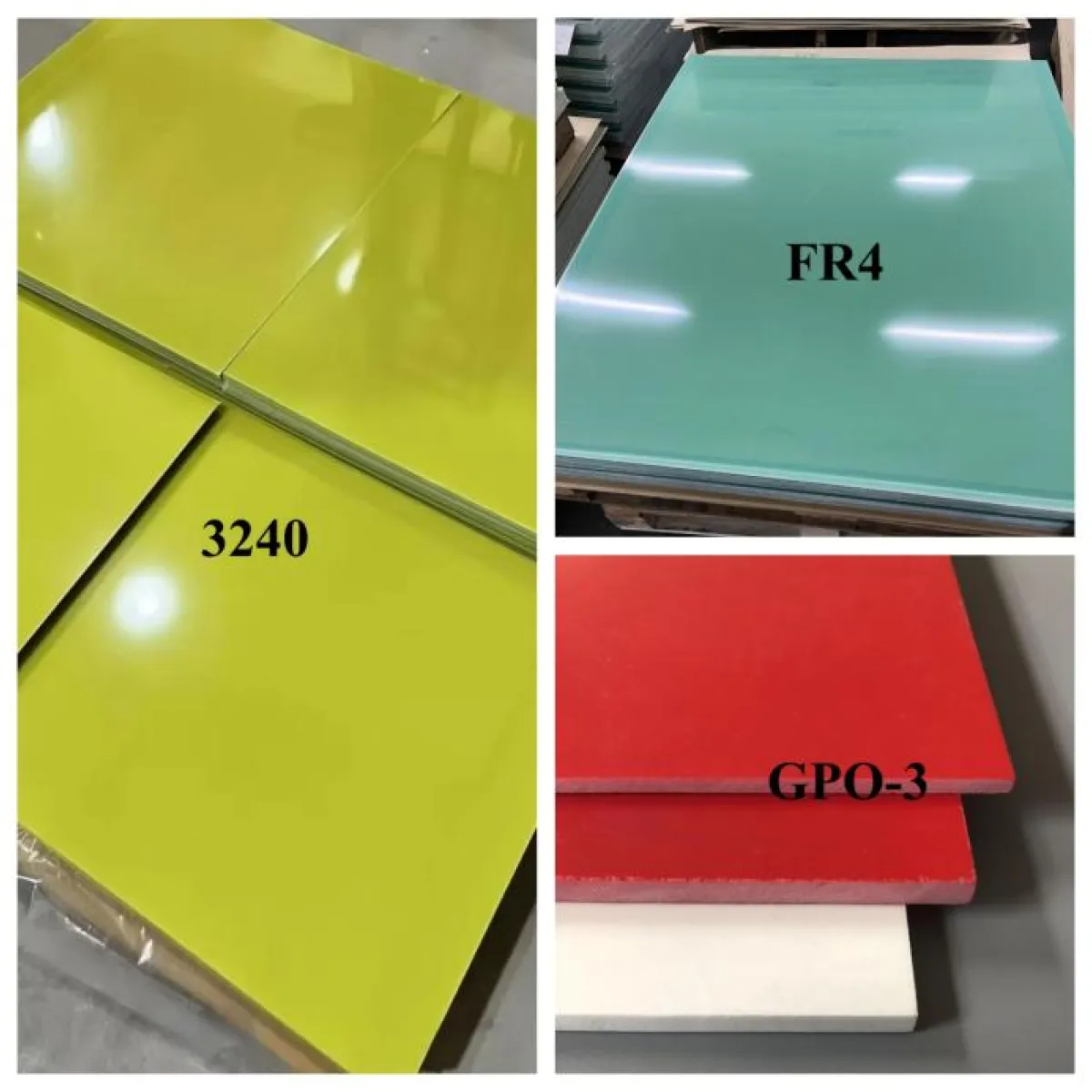
Understanding these differences can help engineers and buyers select the most suitable insulation material for their specific operating conditions.
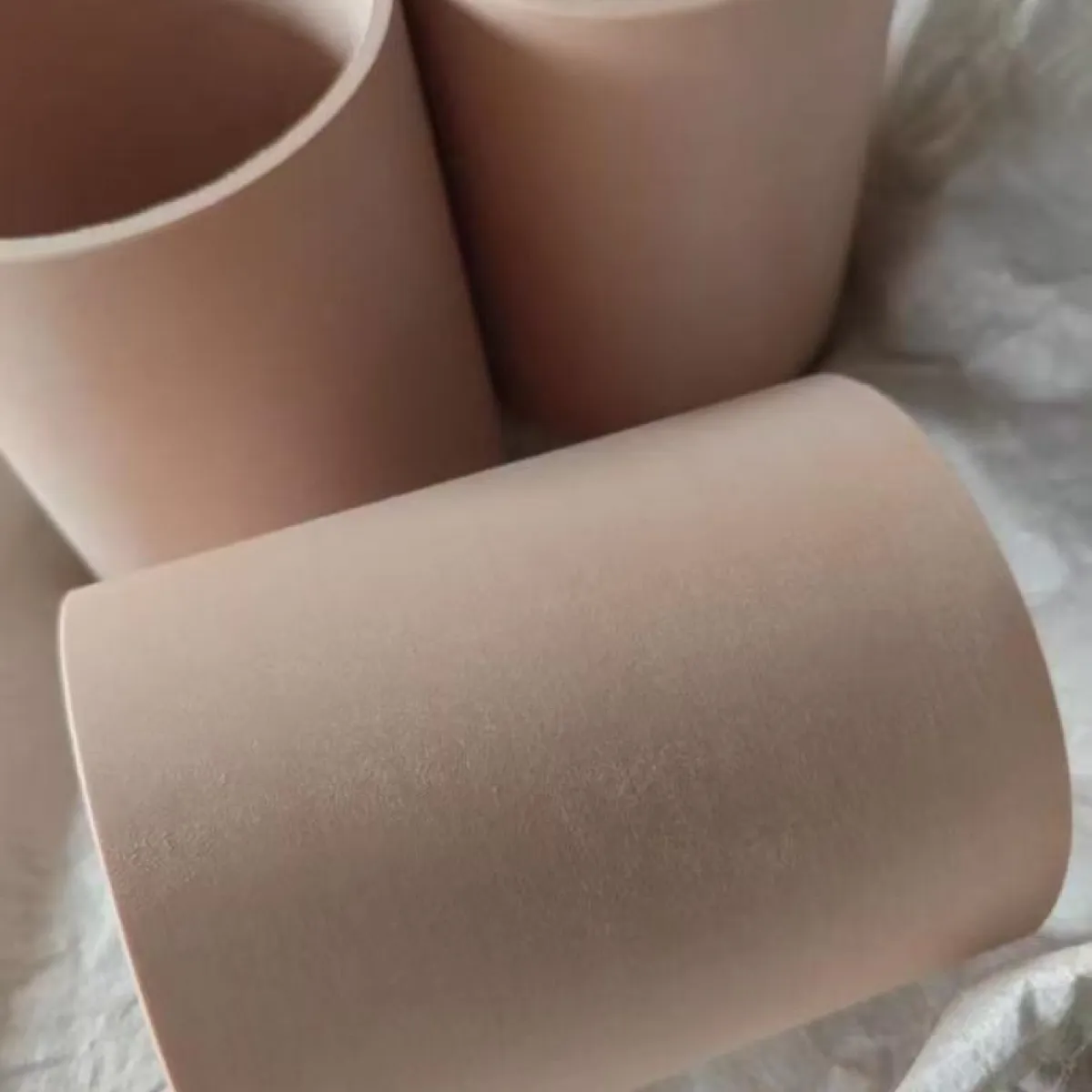
Phenolic Cotton Tube boasts multiple prominent competitive strengths for industrial use. It features extraordinary insulating performance: fully non-conductive, anti-static, and st
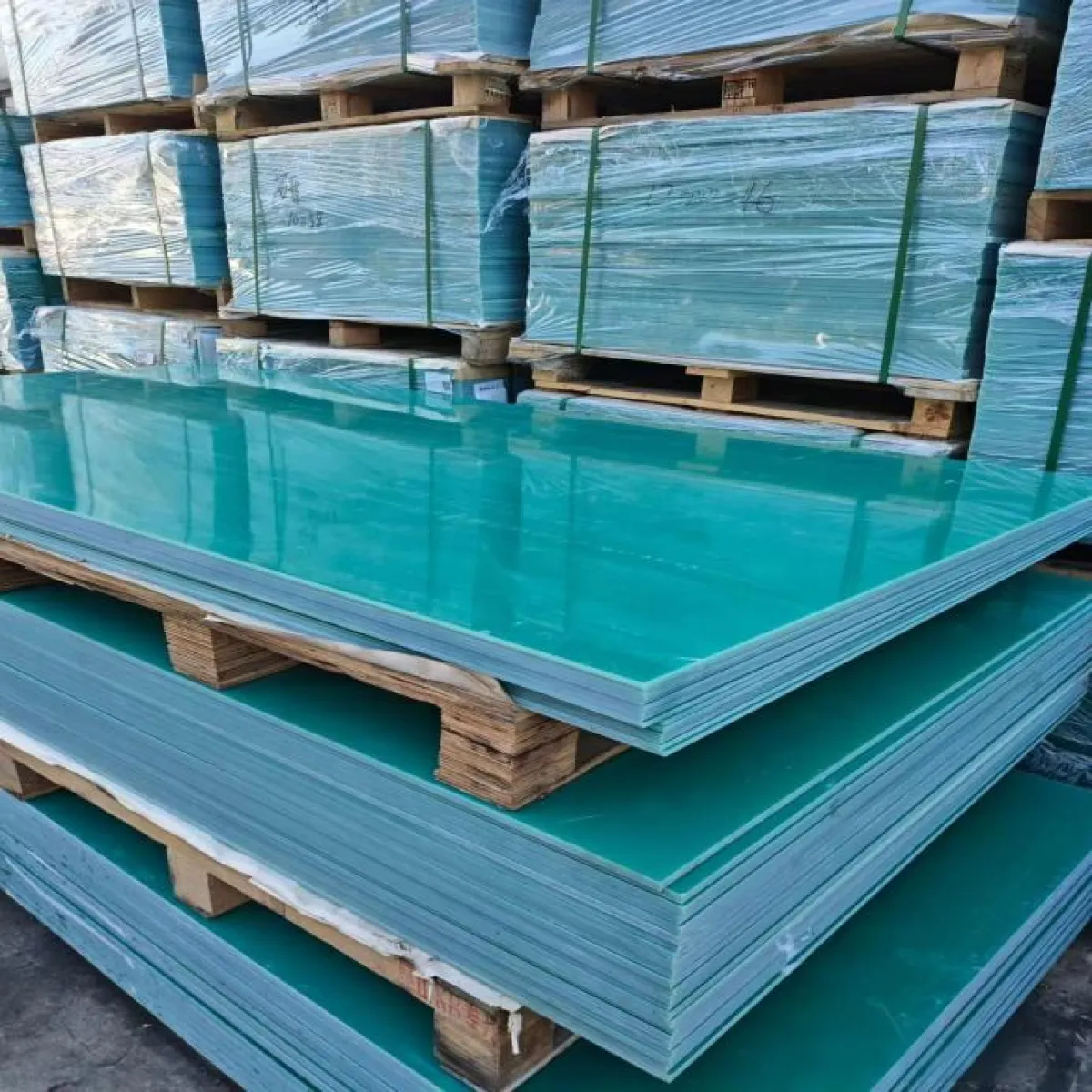
First let us look at its regular uses. In power plants, substations, power distribution rooms and other sites, Insulation Laminated Board is commonly laid on floors to avoid electr
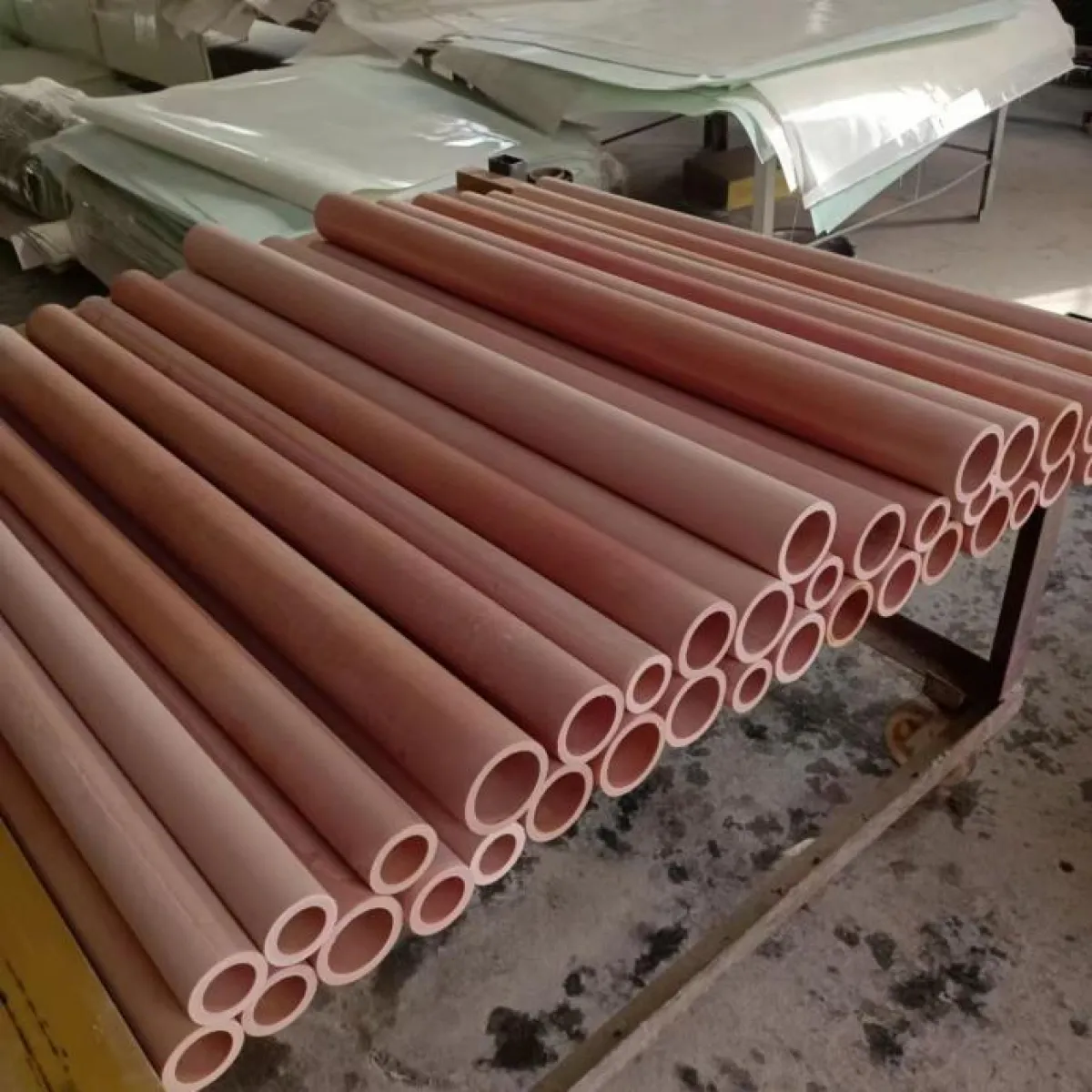
From the perspective of composite materials, Phenolic Cloth Tube is not made of a single substance, but formed by combining thermosetting phenolic resin with reinforcing materials

No.3, Mianzhi Street, Zhucheng, Shandong, China





Copyright © 2026 by Qingdao Yilong Insulation Material Company Limited All Rights Reserved