
Nylon Boards and Bakelite Boards are two widely used materials in the insulation industry. Although both serve as effective electrical insulators, they differ significantly in composition, performance, and suitable applications. Understanding these differences helps engineers, buyers, and manufacturers select the right insulation material based on operating temperature, mechanical requirements, and environmental conditions.
Composition and Manufacturing Differences
l Nylon Board Composition
Nylon Boards are made from synthetic polyamide polymers. Their molecular structure provides strong mechanical performance, excellent wear resistance, and reliable electrical insulation. Common types include Nylon 6 and Nylon 6/6, each offering slightly different strength and flexibility characteristics.
Nylon sheets are typically produced through extrusion or casting, allowing for various shapes, thicknesses, and sizes.
l Bakelite Board Composition
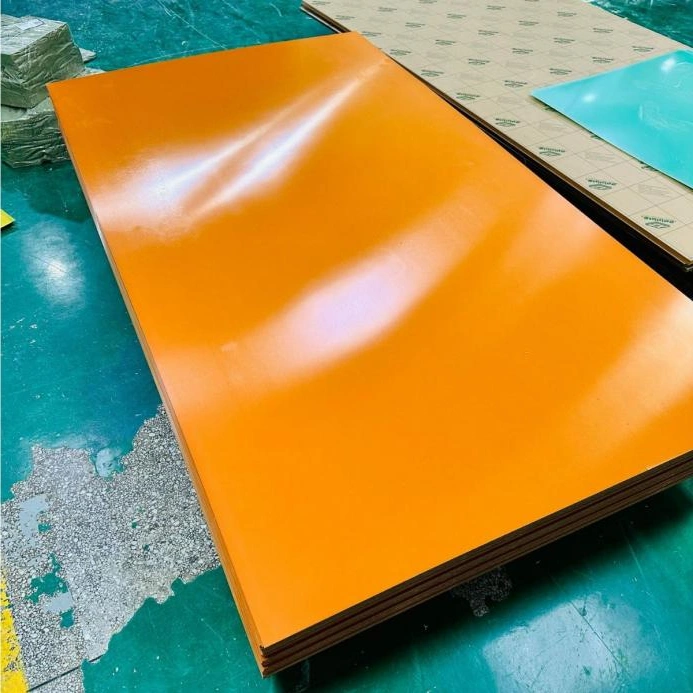
Bakelite Boards, also known as phenolic sheets, are manufactured using phenol-formaldehyde resin combined with reinforcing materials like paper or fabric. Through compression molding, the resin cures into a rigid, cross-linked structure known for stability and heat resistance.
This material is one of the earliest synthetic plastics and remains widely used due to its superior electrical insulation and thermal endurance.
Physical and Mechanical Property Comparison
l Strength and Durability
Nylon Board: Excellent tensile strength, impact resistance, and flexibility. Its toughness makes it ideal for applications involving friction or moving parts.
Bakelite Board: Higher hardness and compressive strength. It is less flexible but offers outstanding dimensional stability.
l Temperature Resistance
Nylon: Performs well up to 80–120°C, depending on grade. It stays flexible even at low temperatures.
Bakelite: Maintains structural integrity up to 200°C or higher, making it suitable for high-temperature electrical insulation systems.
l Wear and Abrasion Resistance
Nylon has inherent lubricity, giving it superior wear resistance compared to bakelite.
Bakelite, while harder, is not as durable under continuous friction but performs well where a rigid insulating surface is required.
l Electrical and Thermal Insulation Performance
ü Dielectric Strength
Nylon: approximately 15–20 kV/mm
Bakelite: often 25 kV/mm or higher
For high-voltage environments, bakelite is generally the preferred insulating board.
ü Thermal Conductivity
Nylon typically provides lower thermal conductivity (≈0.2–0.3 W/m·K), making it a slightly better thermal insulator.
Bakelite ranges between 0.3–0.5 W/m·K but compensates with stronger heat resistance.
l Moisture Absorption
Nylon: absorbs moisture easily due to its hygroscopic nature, which may affect electrical properties and dimensions over time.
Bakelite: offers excellent moisture resistance, ensuring stable insulation performance in humid or variable environments.
Conclusion
Choosing between Nylon Board and Bakelite Board requires evaluating the specific demands of the application:
l Choose Nylon Board when Mechanical strength, impact resistance, wear resistance and moderate-temperature performance are priorities.
l Choose Bakelite Board when: High heat resistance, high-voltage electrical insulation, and dimensional stability in harsh environments are critical.
l Both materials play important roles in electrical insulation systems, and selecting the right one ensures safety, reliability, and long-term performance.
Contact YILONG
For high-quality insulating boards including Nylon sheets, Bakelite sheets, G10/G11, FR4, and other laminated materials, contact YILONG for technical support and quotations.
Mob&Whatsapp: +86 13156253652
Email: yilong@yilonginsulation.com
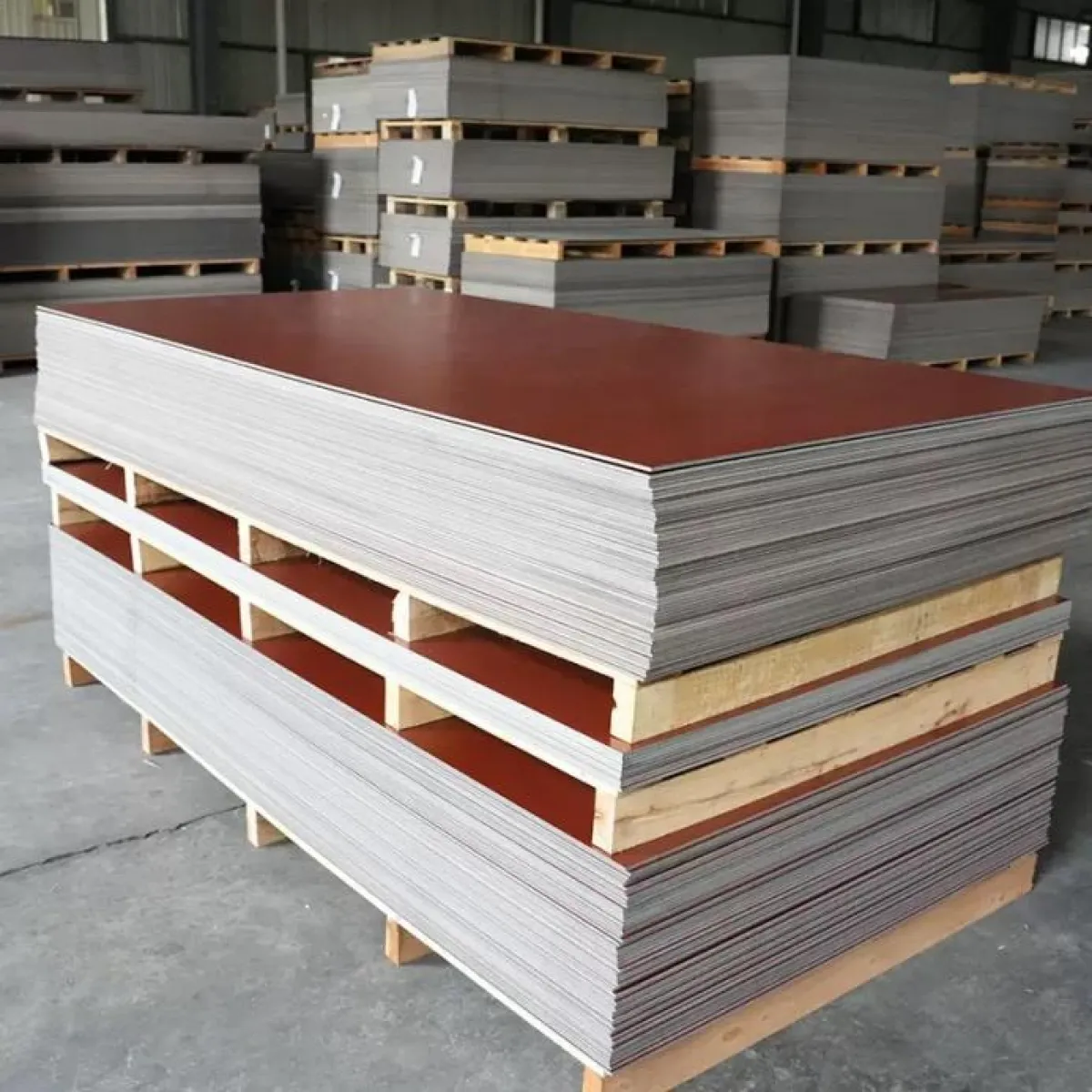
PFCP201 is manufactured using high-quality insulating paper impregnated with phenolic resin. After the raw materials are carefully inspected, the paper is passed through an automat
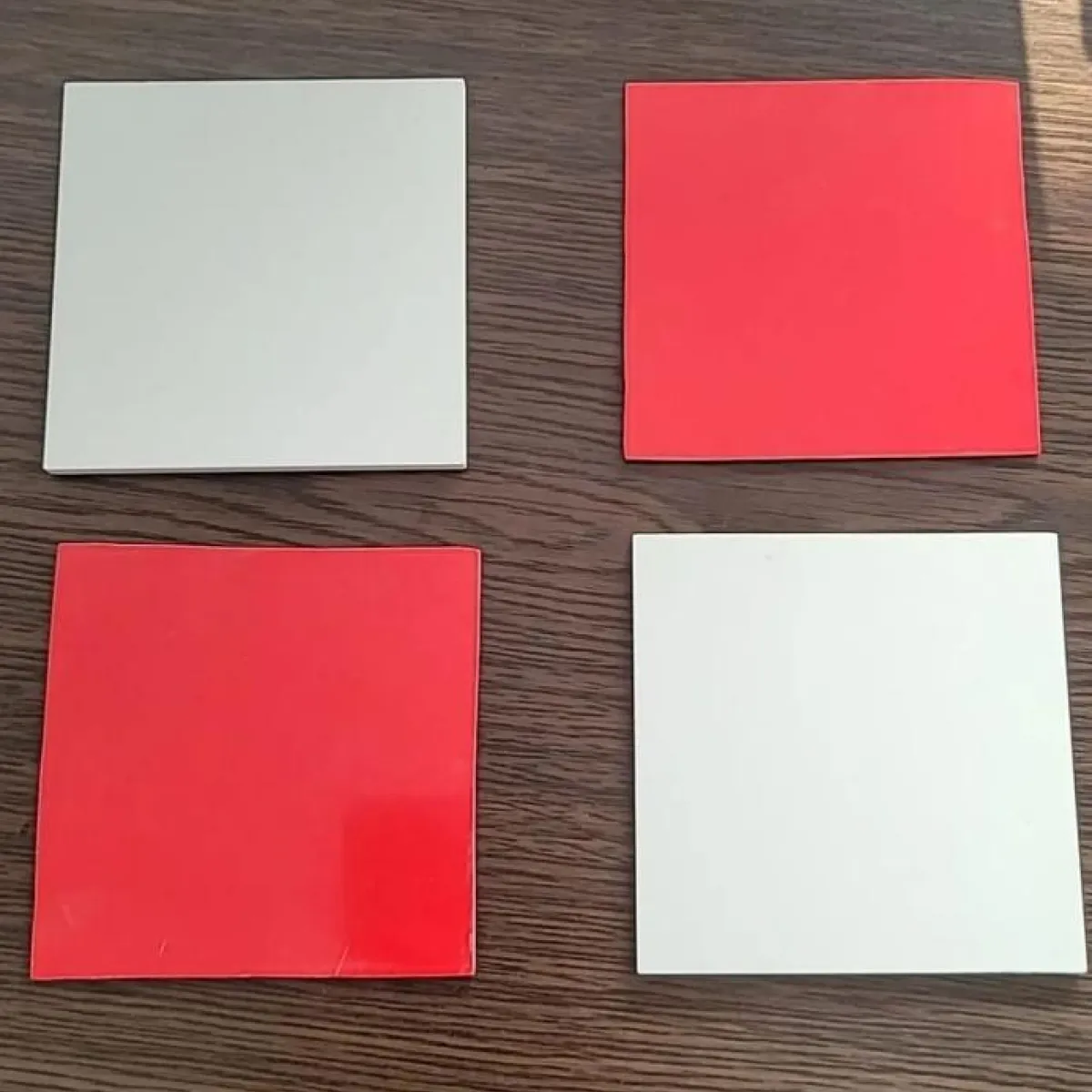
GPO-3 insulation board, also known as UPGM-203, is a rigid electrical insulation material made from alkali-free glass fiber mat impregnated with unsaturated polyester resin and pro
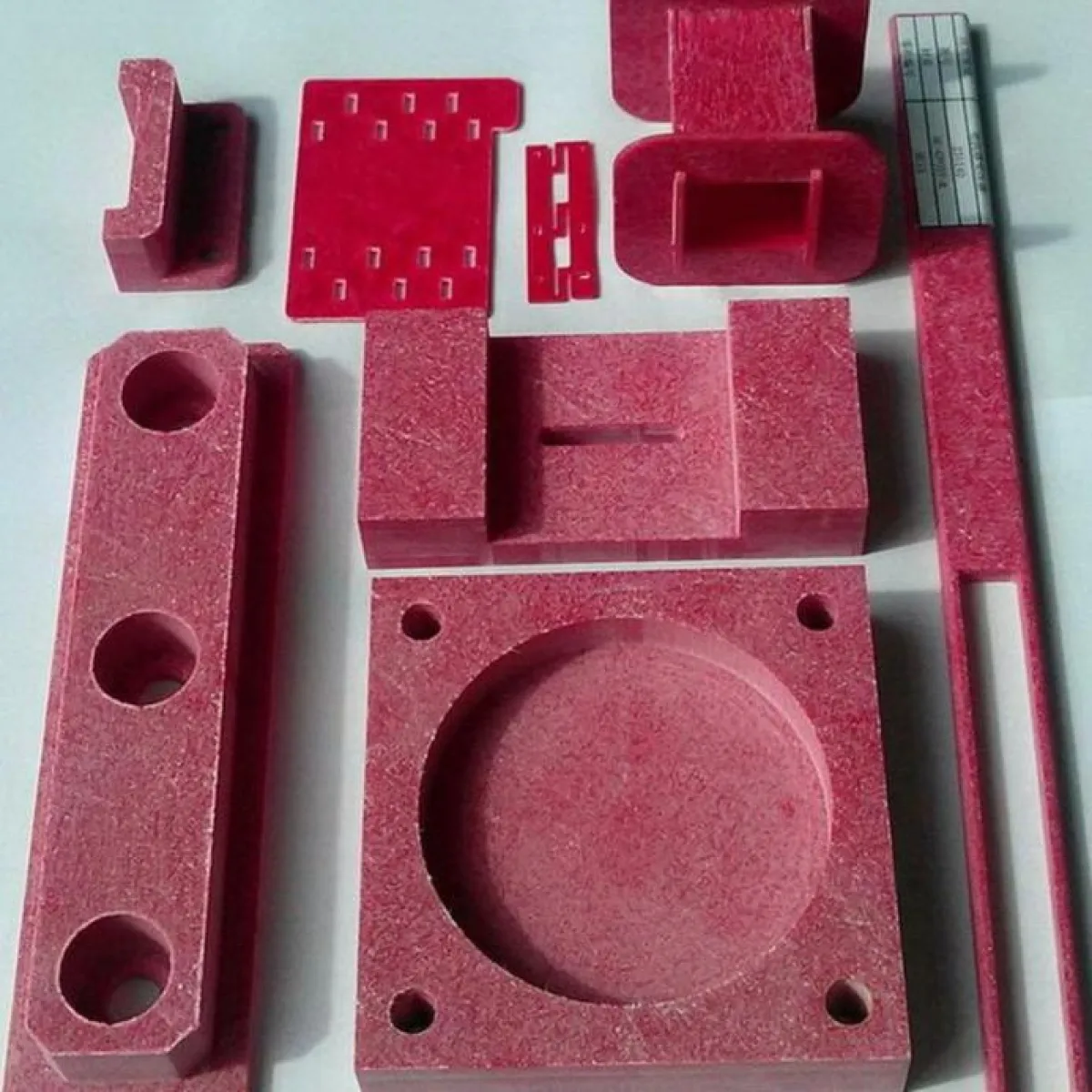
Compared with many conventional insulation materials, GPO-3 offers two particularly important advantages: strong resistance to heat and moisture, and stable electrical insulation p
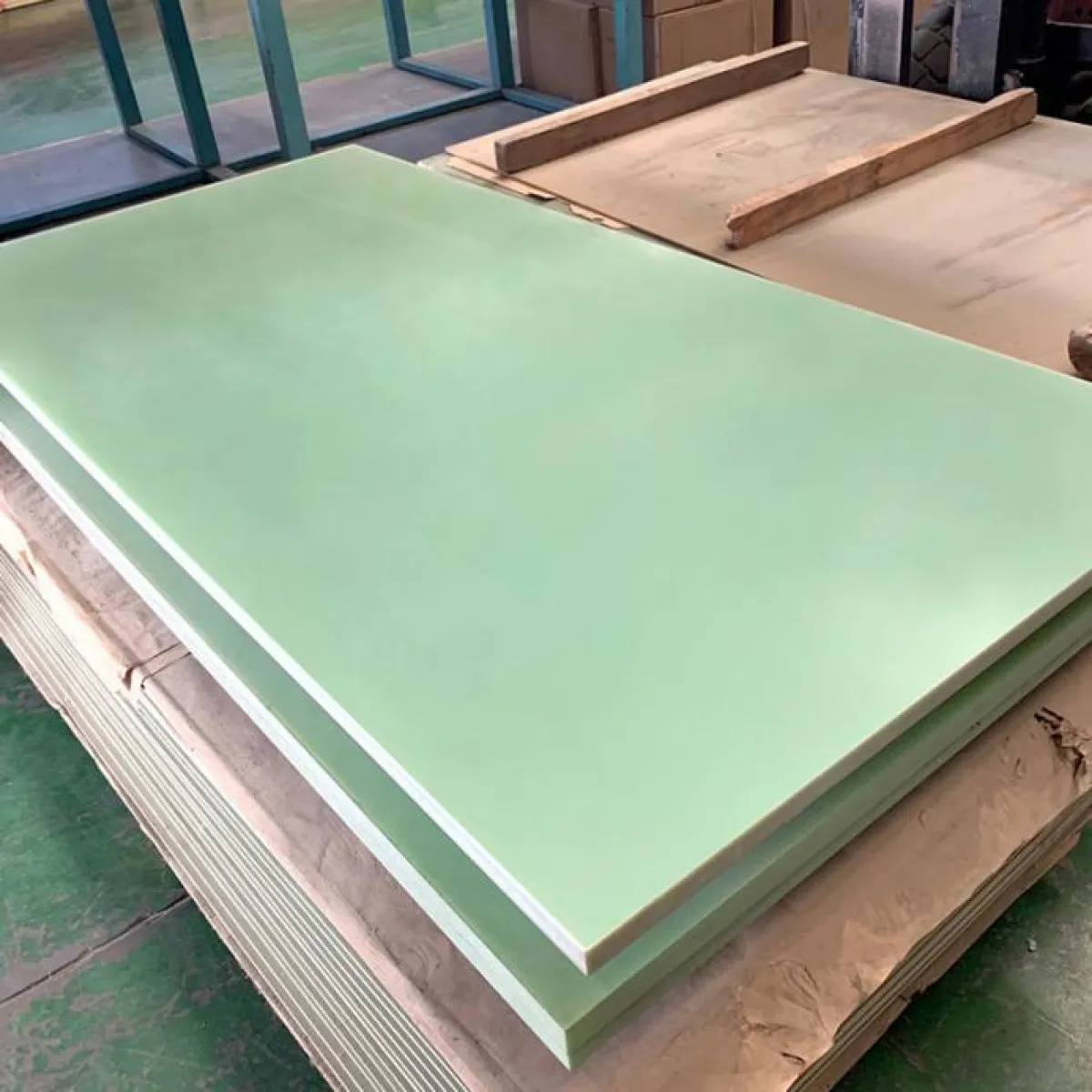
However, selecting a cryogenic insulation material based only on its standard properties may not be enough. In actual service, continuous immersion, concentrated mechanical loads,

Silicone Glass Cloth Sheet (G7) combines silicone resin with glass fiber cloth to provide a balance of high-temperature resistance, electrical insulation, mechanical strength, and
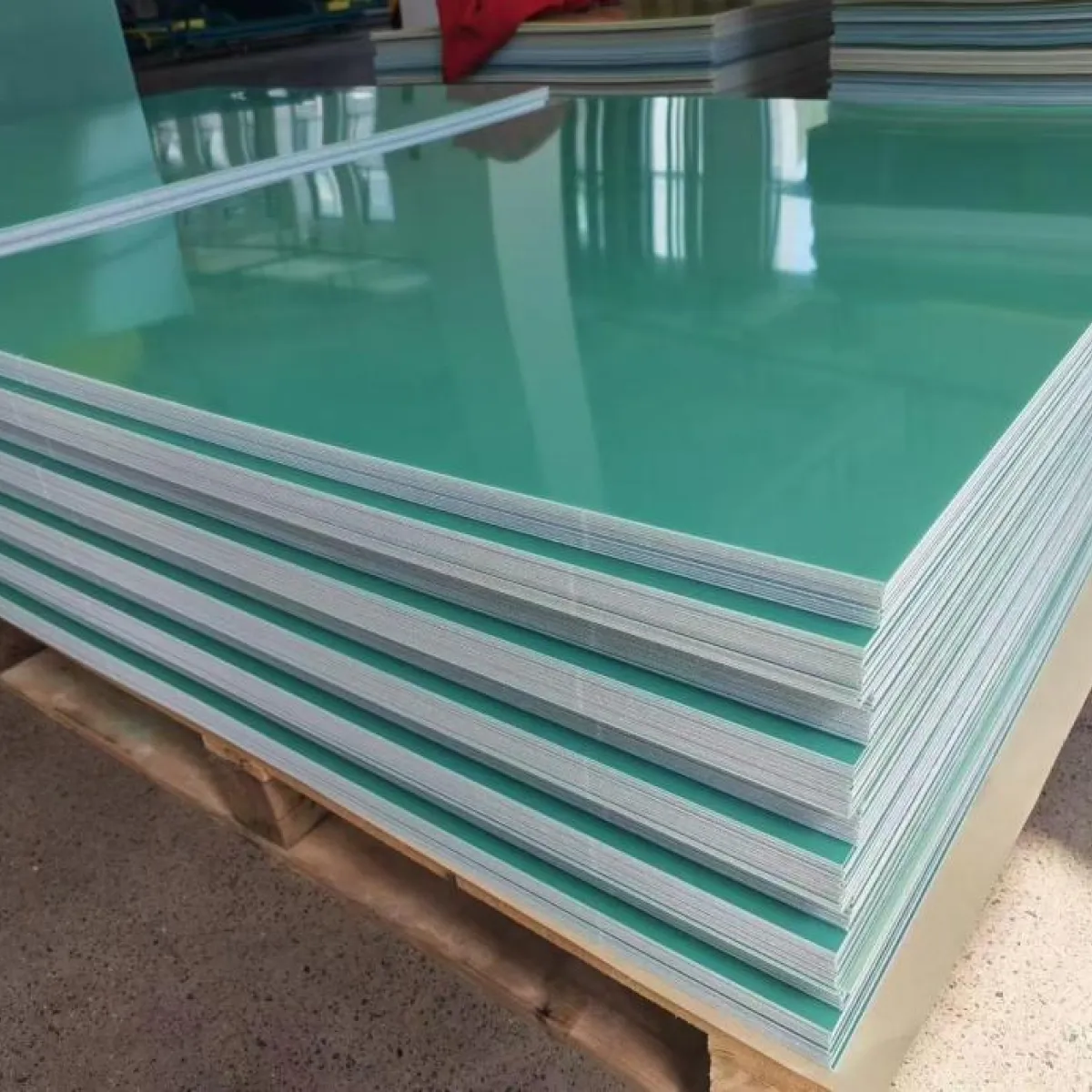
These properties make EPGC308 particularly suitable for electrical equipment operating under high temperature, high humidity and high-voltage conditions.
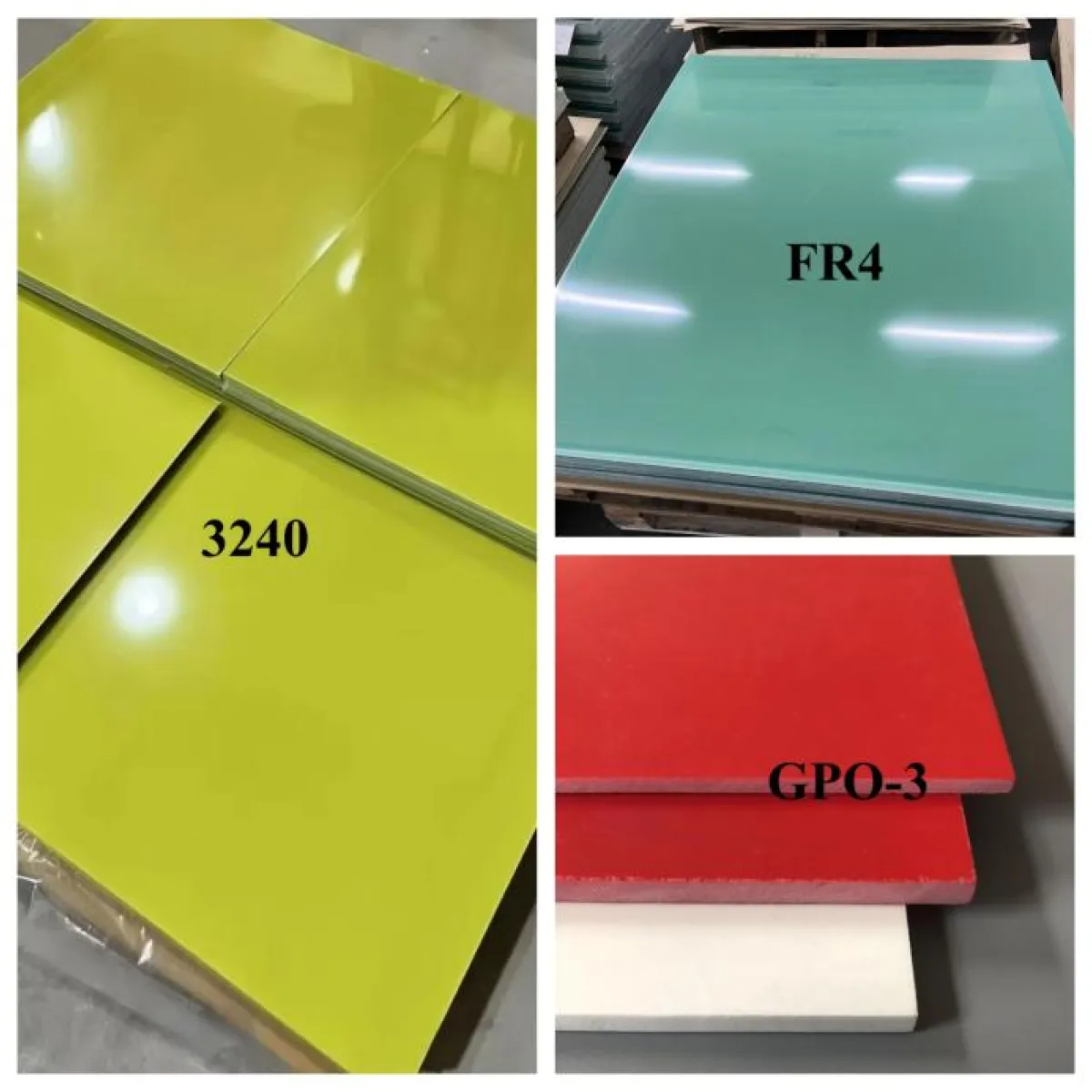
Understanding these differences can help engineers and buyers select the most suitable insulation material for their specific operating conditions.
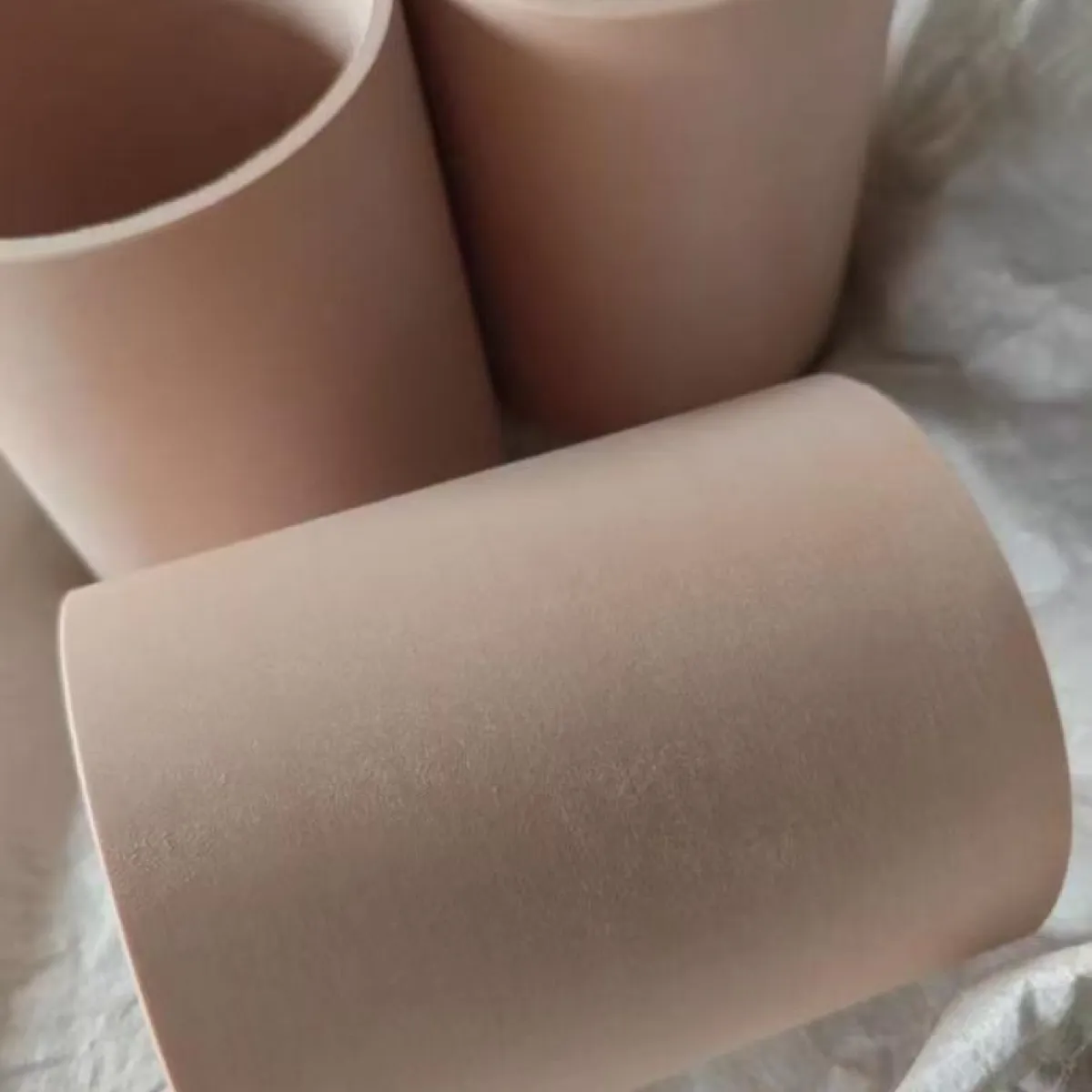
Phenolic Cotton Tube boasts multiple prominent competitive strengths for industrial use. It features extraordinary insulating performance: fully non-conductive, anti-static, and st
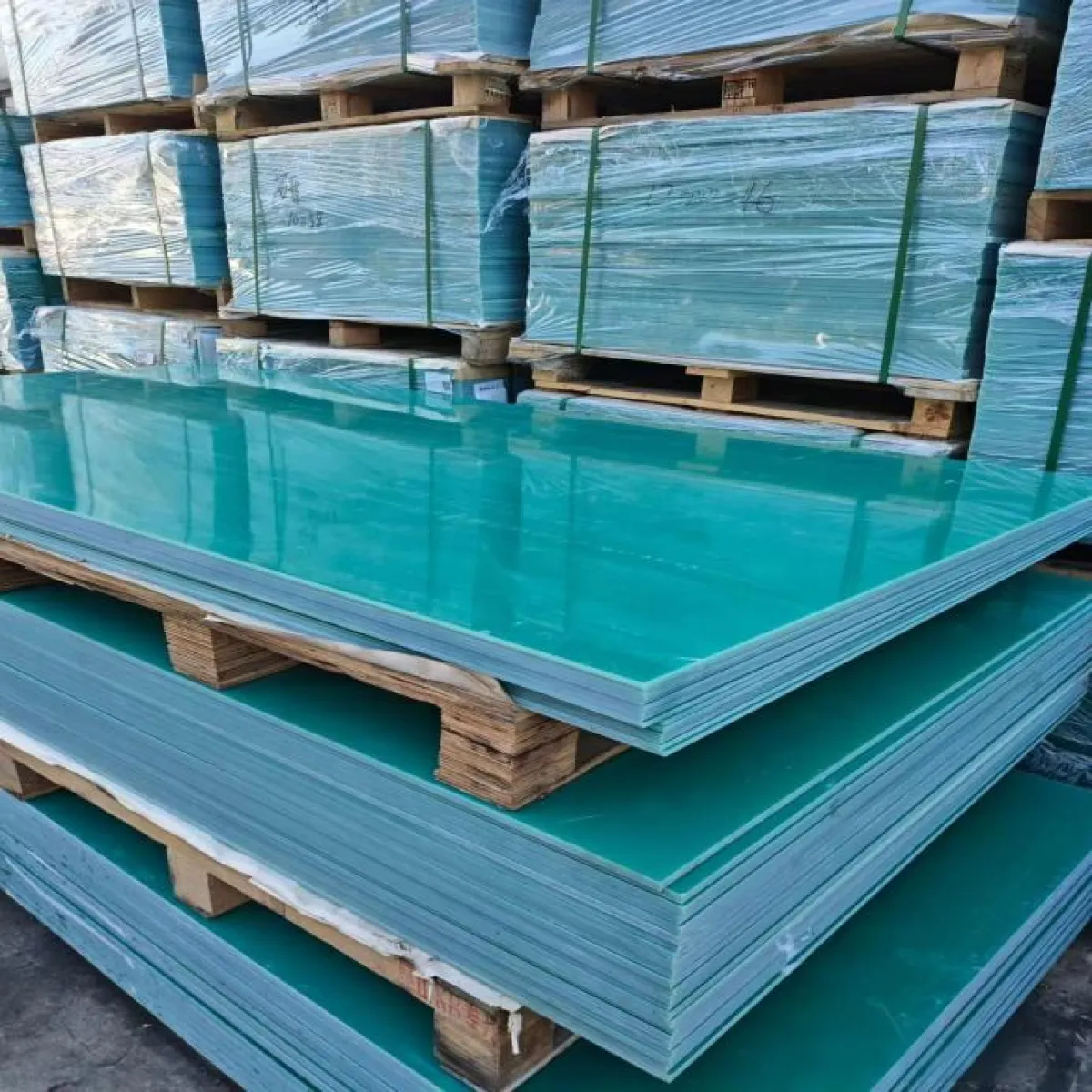
First let us look at its regular uses. In power plants, substations, power distribution rooms and other sites, Insulation Laminated Board is commonly laid on floors to avoid electr
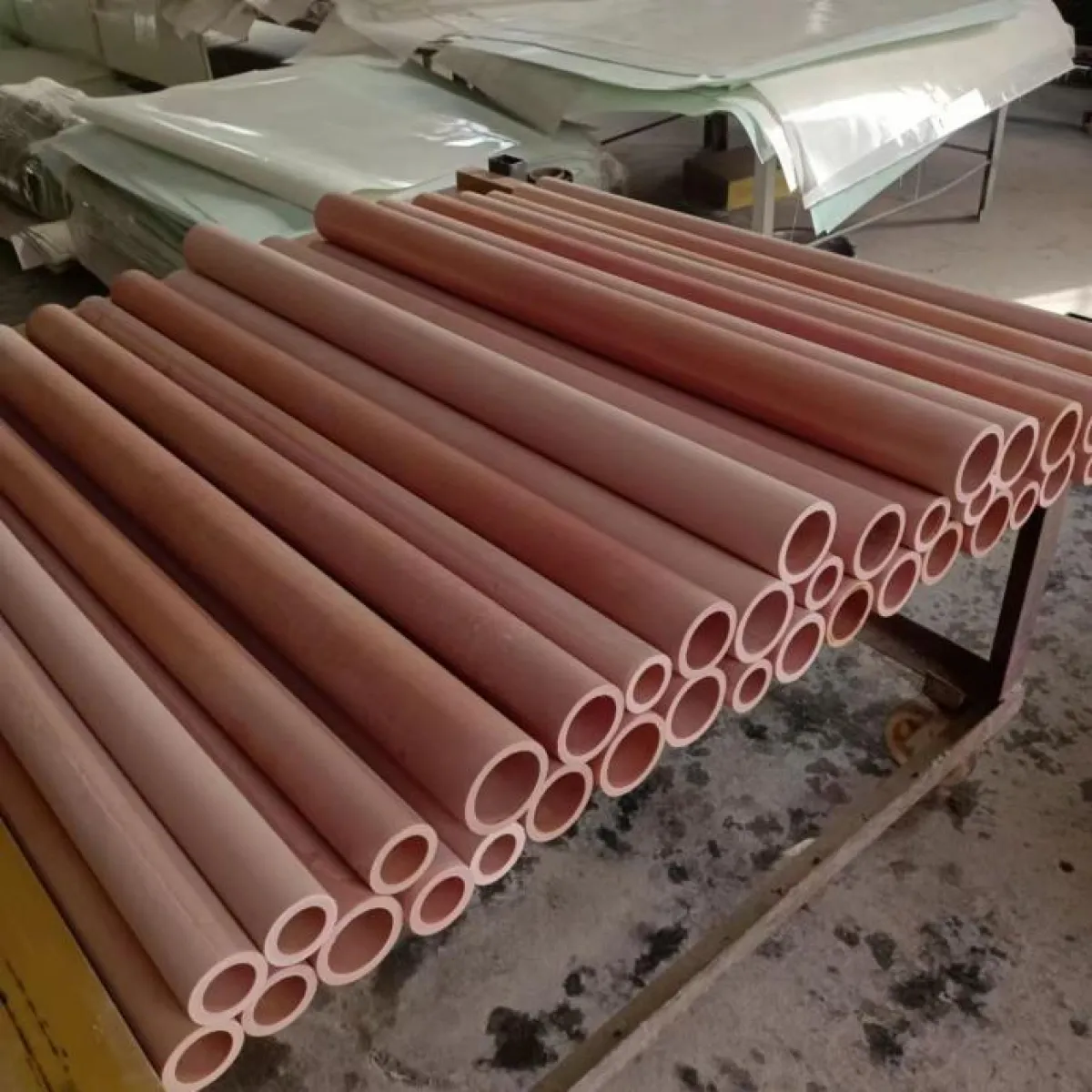
From the perspective of composite materials, Phenolic Cloth Tube is not made of a single substance, but formed by combining thermosetting phenolic resin with reinforcing materials

No.3, Mianzhi Street, Zhucheng, Shandong, China





Copyright © 2026 by Qingdao Yilong Insulation Material Company Limited All Rights Reserved