
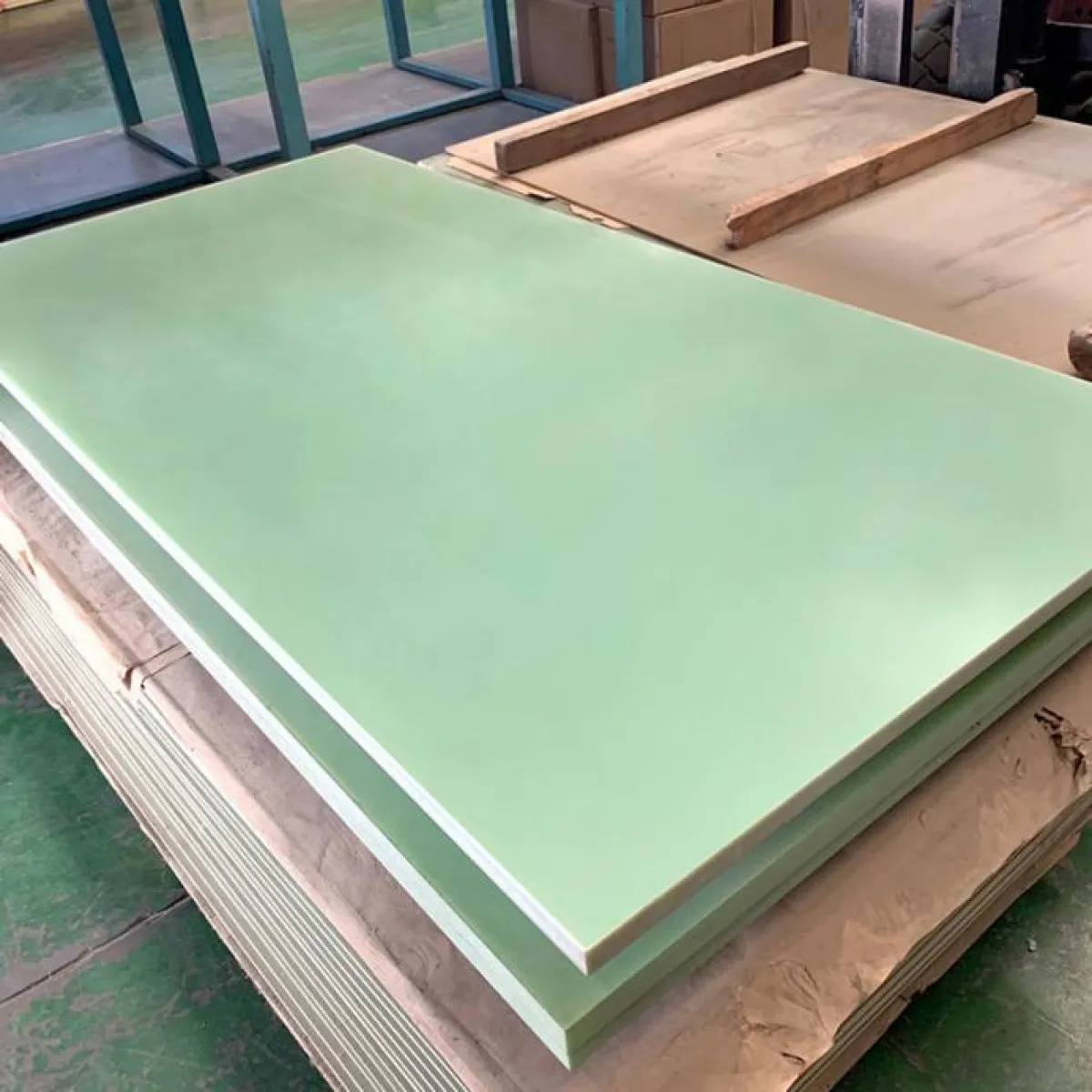
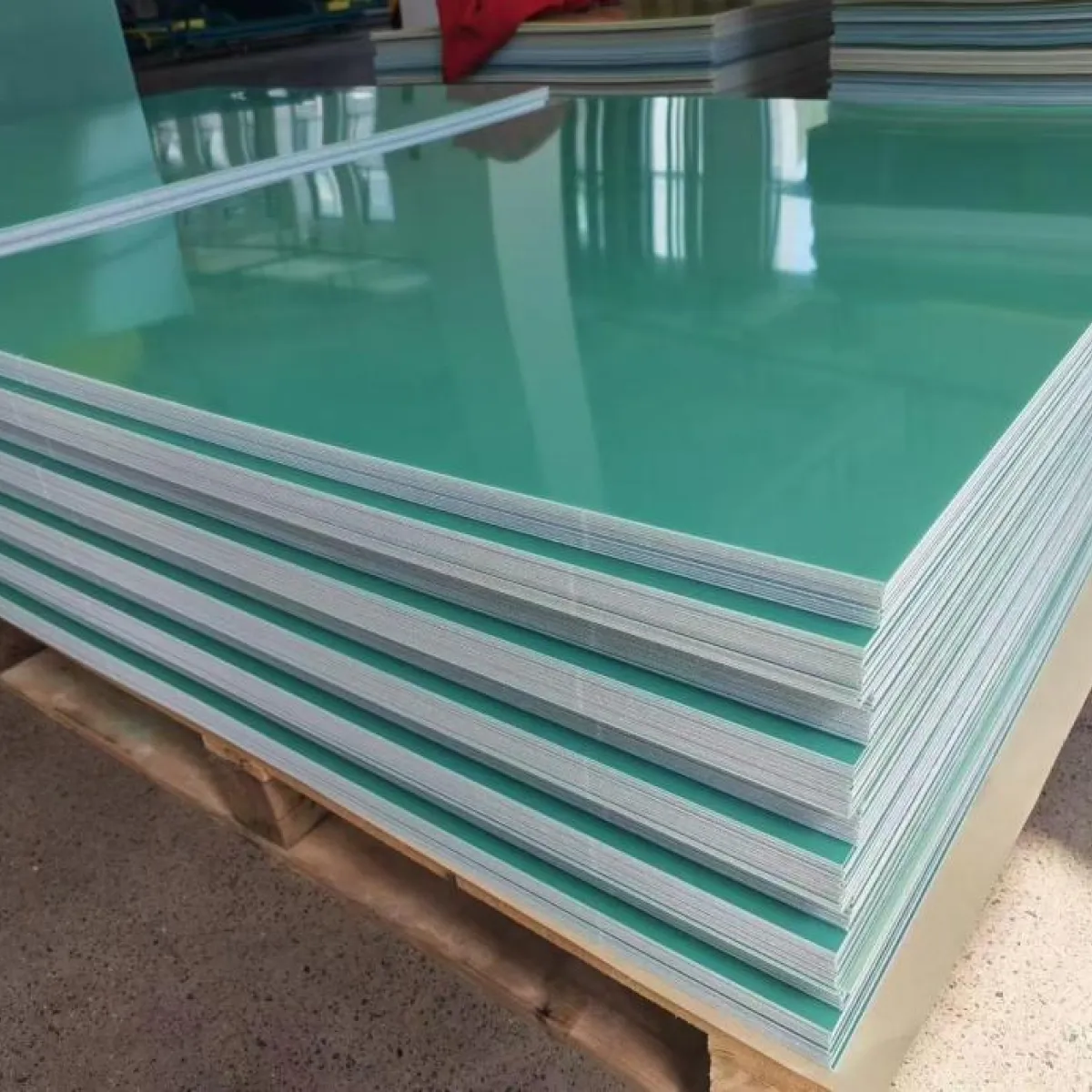
FR-4, which we commonly refer to in the PCB industry, is not actually a specific material name. It is a flame-retardant grade designation.
The term “FR” stands for Flame Retardant, meaning the material must be able to self-extinguish after combustion under specified test conditions. Therefore, FR-4 represents a performance standard rather than a single defined material.
In practical applications, FR-4 grade PCB materials include a wide variety of formulations. Most of them are composite materials made from thermosetting epoxy resin systems (often multifunctional epoxy resins), combined with fillers and glass fiber reinforcement.
For example, YILONG FR-4 fiberglass sheets, including green FR-4 sheets and black FR-4 sheets, all provide excellent heat resistance, electrical insulation, and flame-retardant performance. Therefore, when selecting PCB Substrate materials, it is essential to clearly define the required performance characteristics before choosing the most suitable product.
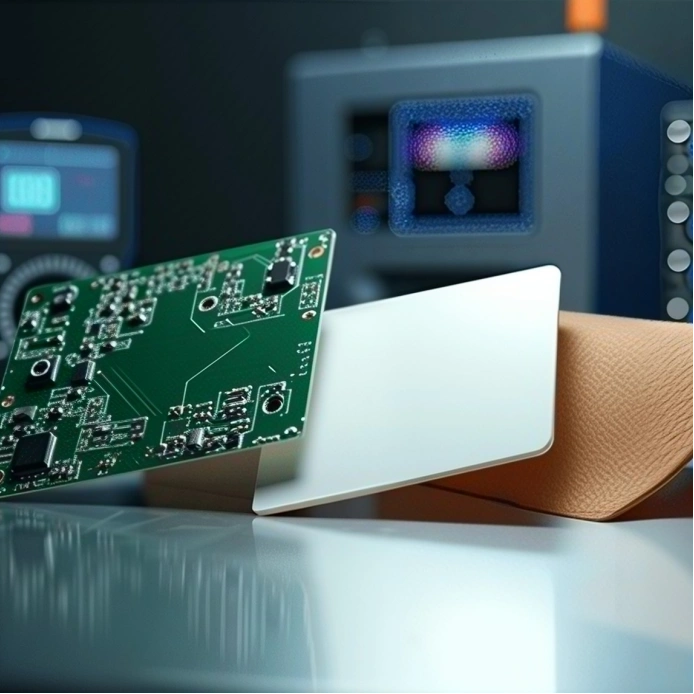
PCB Substrate materials can be broadly divided into two major categories: organic substrate materials and inorganic substrate materials. Among them, organic substrate materials are the most widely used in modern PCB manufacturing.
Different PCB layer structures also require different substrate types. For example, 3–4 layer boards typically use pre-preg composite materials, while double-sided boards are mostly manufactured using glass–epoxy laminates.
Paper-based laminates use fiber paper as reinforcement material, impregnated with resin systems such as phenolic resin or epoxy resin. After drying and processing, copper foil is laminated under high temperature and pressure.
According to ASTM/NEMA standards, typical grades include FR-1, FR-2, FR-3 (flame-retardant types), and XPC, XXXPC (non-flame-retardant types). More than 85% of the global paper-based PCB market is concentrated in Asia. Among them, FR-1 and XPC are the most commonly used and widely produced materials.
Epoxy glass fiber laminates use epoxy resin or modified epoxy resin as the bonding system, and glass fiber cloth as reinforcement material. This category represents the largest and most widely used PCB Substrate type in the world.
Under ASTM/NEMA standards, epoxy glass fiber laminates include four main grades: G10 (non-flame-retardant), FR-4 (flame-retardant), G11 (high thermal strength retention, non-flame-retardant), and FR-5 (high thermal strength retention, flame-retardant).
In practice, non-flame-retardant materials are gradually decreasing, while FR-4 dominates the global PCB industry.
Composite laminates use different reinforcement materials for surface and core layers. The most common type is the CEM (Composite Epoxy Material) series, especially CEM-1 and CEM-3.
CEM-1 uses glass fiber cloth as the surface layer, paper as the core layer, and epoxy resin as the bonding system. It is flame-retardant.
CEM-3 uses glass fiber cloth as the surface layer and glass fiber paper as the core material, also based on epoxy resin and flame-retardant formulation.
Compared with FR-4, composite laminates offer similar electrical properties but lower cost and better machinability.
Special substrate materials include metal-core laminates (aluminum, copper, iron, or Invar steel) and ceramic substrates.
Based on their characteristics and applications, these materials can be manufactured into single-layer, double-layer, or multilayer PCBs, as well as metal-core circuit boards for high-power applications.
In lead-free electronic assembly processes, the higher reflow soldering temperatures increase PCB deformation risks. Therefore, materials with low warpage characteristics, such as FR-4, are preferred.
Thermal expansion stress of PCB Substrates can significantly affect electronic components, potentially causing electrode detachment and reduced reliability. Therefore, the coefficient of thermal expansion (CTE) must be carefully considered during material selection, especially for components larger than 3.2 × 1.6 mm.
For SMT applications, PCB materials are required to have:
High thermal conductivity
Excellent heat resistance (150°C, 60 min)
Good solderability (260°C, 10 sec)
High copper foil adhesion strength (>1.5 × 10⁴ Pa)
High flexural strength (>25 × 10⁴ Pa)
High electrical conductivity and low dielectric constant
Good stamping and machining accuracy (±0.02 mm)
Compatibility with cleaning agents
Smooth and defect-free surface without warpage, cracks, scratches, or corrosion
Common PCB thickness options include: 0.5 mm, 0.7 mm, 0.8 mm, 1.0 mm, 1.5 mm, 1.6 mm, 1.8 mm, 2.7 mm, 3.0 mm, 3.2 mm, 4.0 mm, and 6.4 mm.
Among them, 0.7 mm and 1.5 mm are commonly used for double-sided boards with gold fingers. Thicknesses such as 1.8 mm and 3.0 mm are considered non-standard specifications.
From a manufacturing perspective, the minimum single PCB panel size should not be less than 250 × 200 mm. The optimal production size is typically within the range of (250–350 mm) × (200–250 mm). For PCBs with a length shorter than 125 mm or width smaller than 100 mm, panelization is usually recommended.
For SMT applications, the allowable warpage for 1.6 mm substrates is:
Upward warpage ≤ 0.5 mm
Downward warpage ≤ 1.2 mm
The typical allowable warpage rate is below 0.065%.
With the rapid development of SMT technology, multilayer PCBs require electrical interconnection through plated through-holes. This makes drilling a critical manufacturing process.
To meet production requirements, various CNC PCB drilling machines are widely used in the industry.
PCB manufacturing is a complex process involving photochemical, electrochemical, and thermochemical technologies. Among all process steps, drilling is one of the most important, as it directly affects via quality, metallization reliability, SMT performance, manufacturing cost, and overall PCB quality.
Common drilling methods include CNC mechanical drilling and laser drilling, with mechanical drilling still being the most widely used in current industrial production.
In modern PCB manufacturing, drilling accuracy and hole-wall quality are critical factors that determine final product performance and reliability.
YILONG supplies a full range of PCB substrate materials, including FR-4, G10, G11, EPGC series laminates, phenolic PCB materials, CEM composites, copper clad laminates, and special engineering substrates for high-performance electrical and electronic applications.
If you are looking for reliable PCB substrate materials or customized insulation solutions, please contact YILONG for technical support and quotation. We are ready to support your projects with stable quality, fast delivery, and professional engineering service.
WhatsApp: +86 15866869385
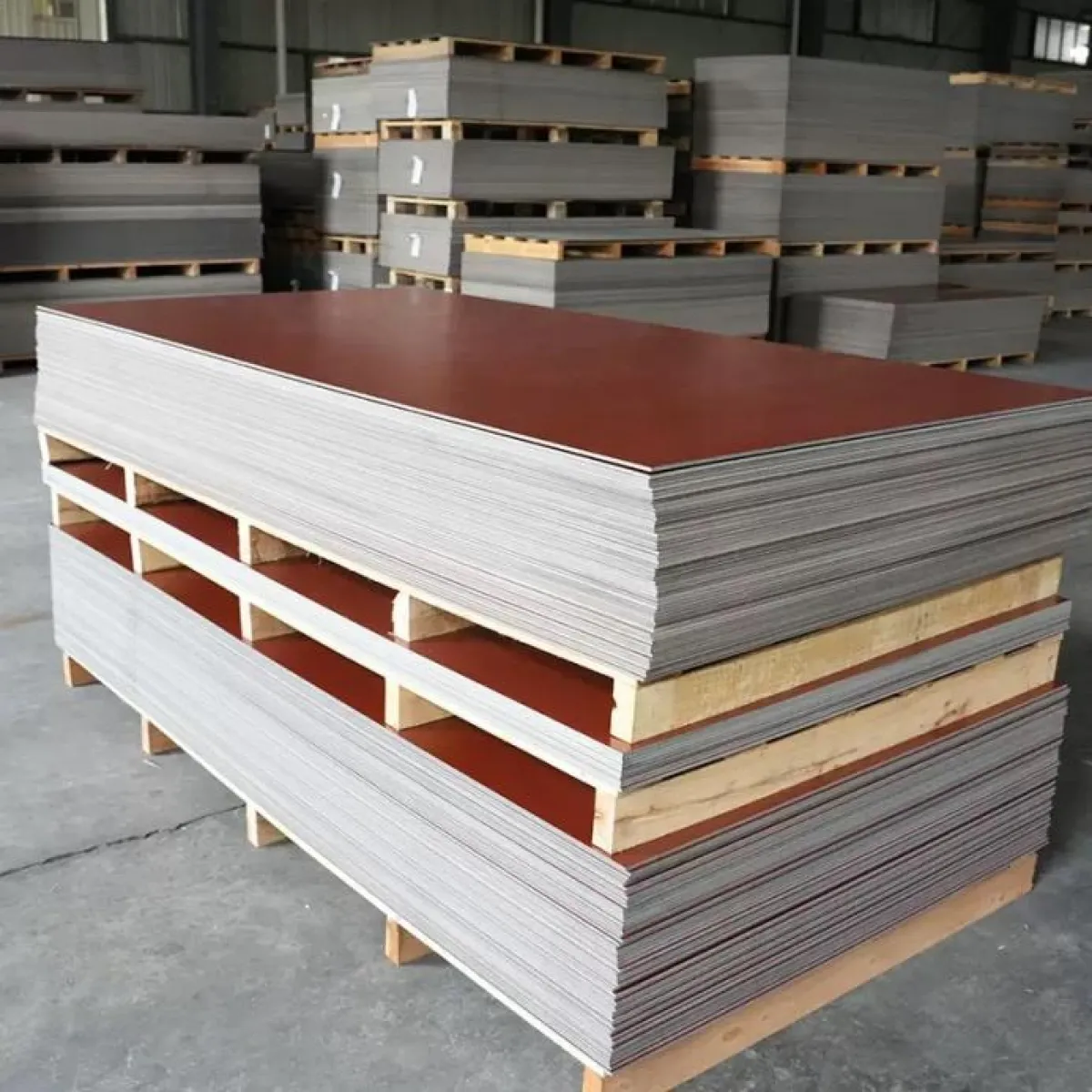
PFCP201 is manufactured using high-quality insulating paper impregnated with phenolic resin. After the raw materials are carefully inspected, the paper is passed through an automat
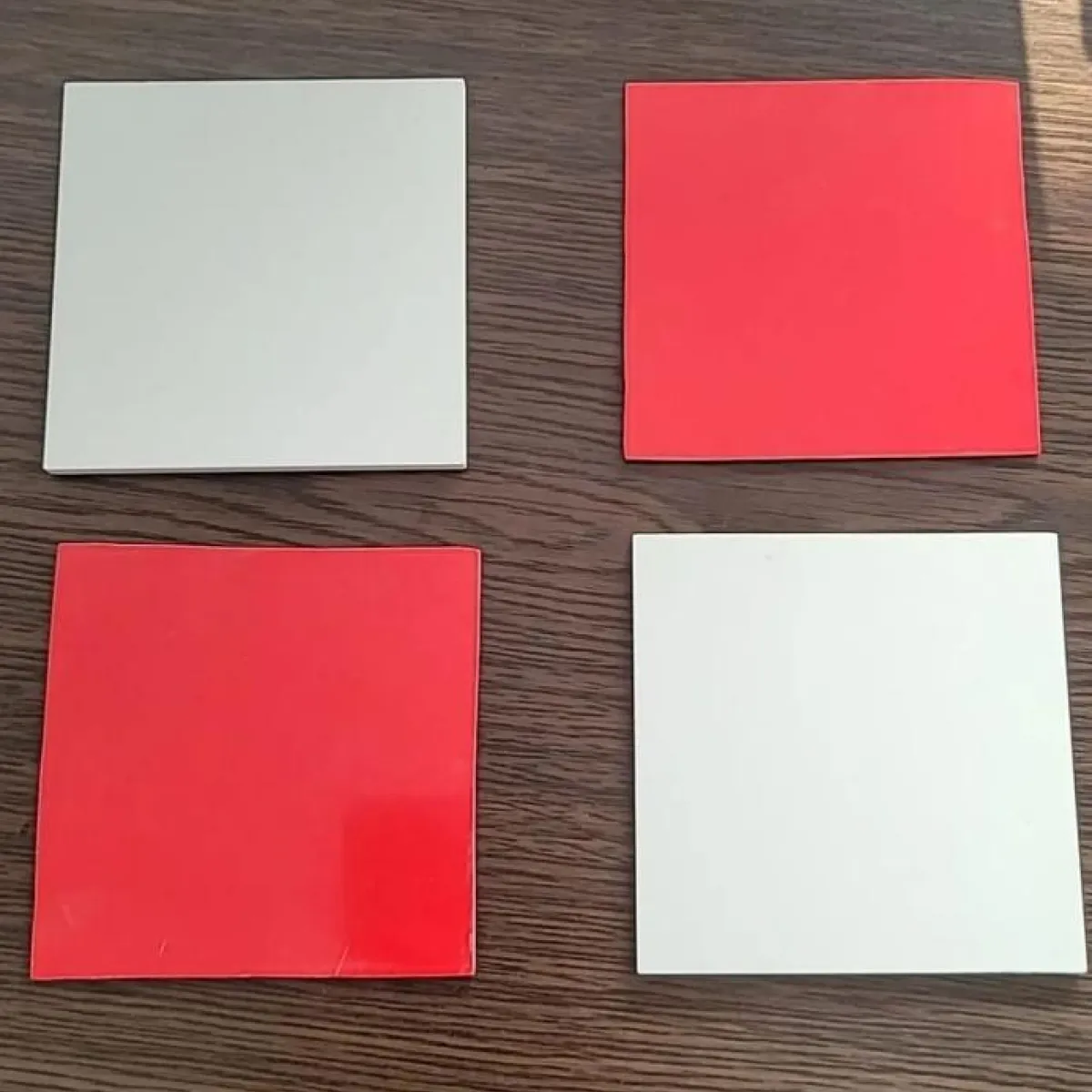
GPO-3 insulation board, also known as UPGM-203, is a rigid electrical insulation material made from alkali-free glass fiber mat impregnated with unsaturated polyester resin and pro
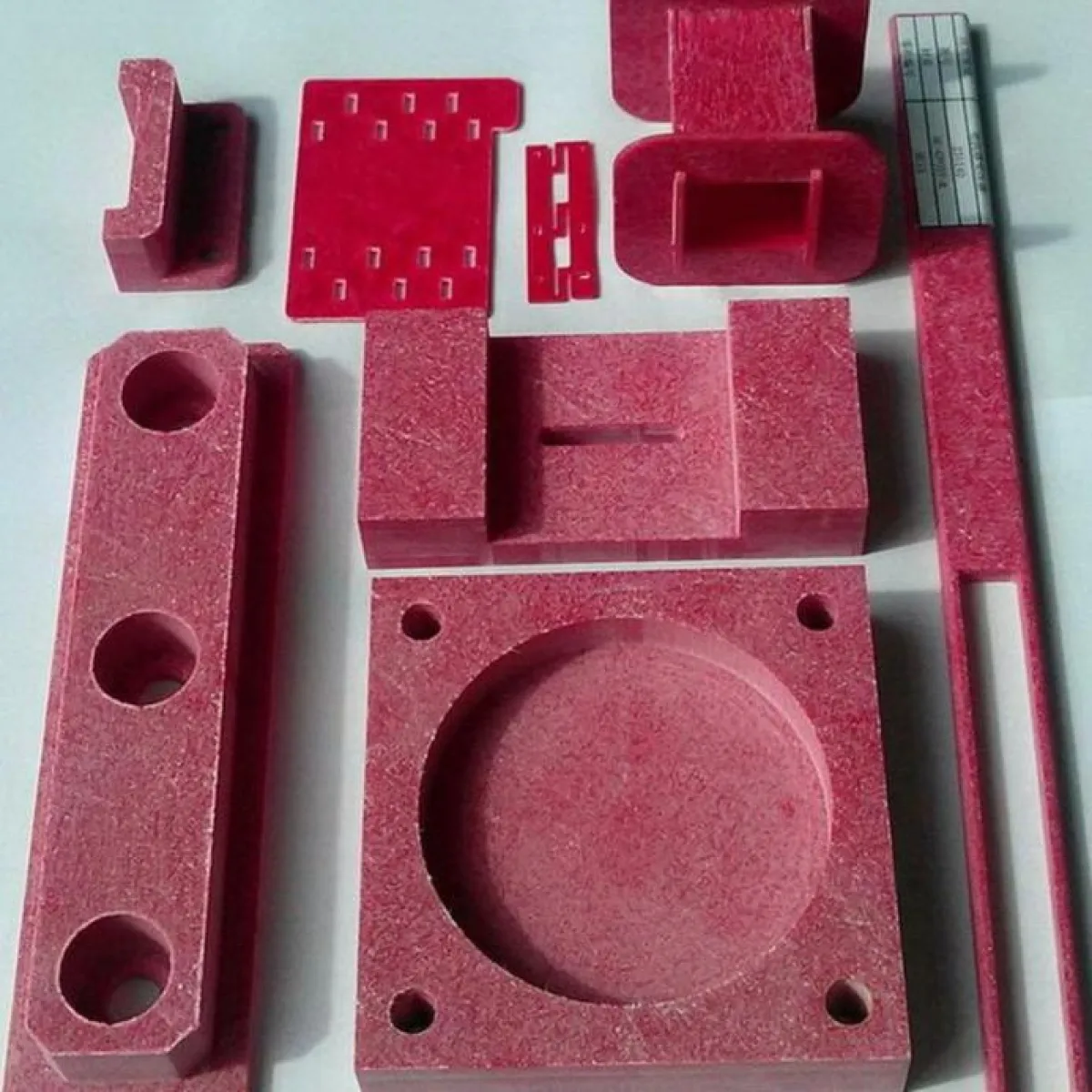
Compared with many conventional insulation materials, GPO-3 offers two particularly important advantages: strong resistance to heat and moisture, and stable electrical insulation p
However, selecting a cryogenic insulation material based only on its standard properties may not be enough. In actual service, continuous immersion, concentrated mechanical loads,

Silicone Glass Cloth Sheet (G7) combines silicone resin with glass fiber cloth to provide a balance of high-temperature resistance, electrical insulation, mechanical strength, and
These properties make EPGC308 particularly suitable for electrical equipment operating under high temperature, high humidity and high-voltage conditions.
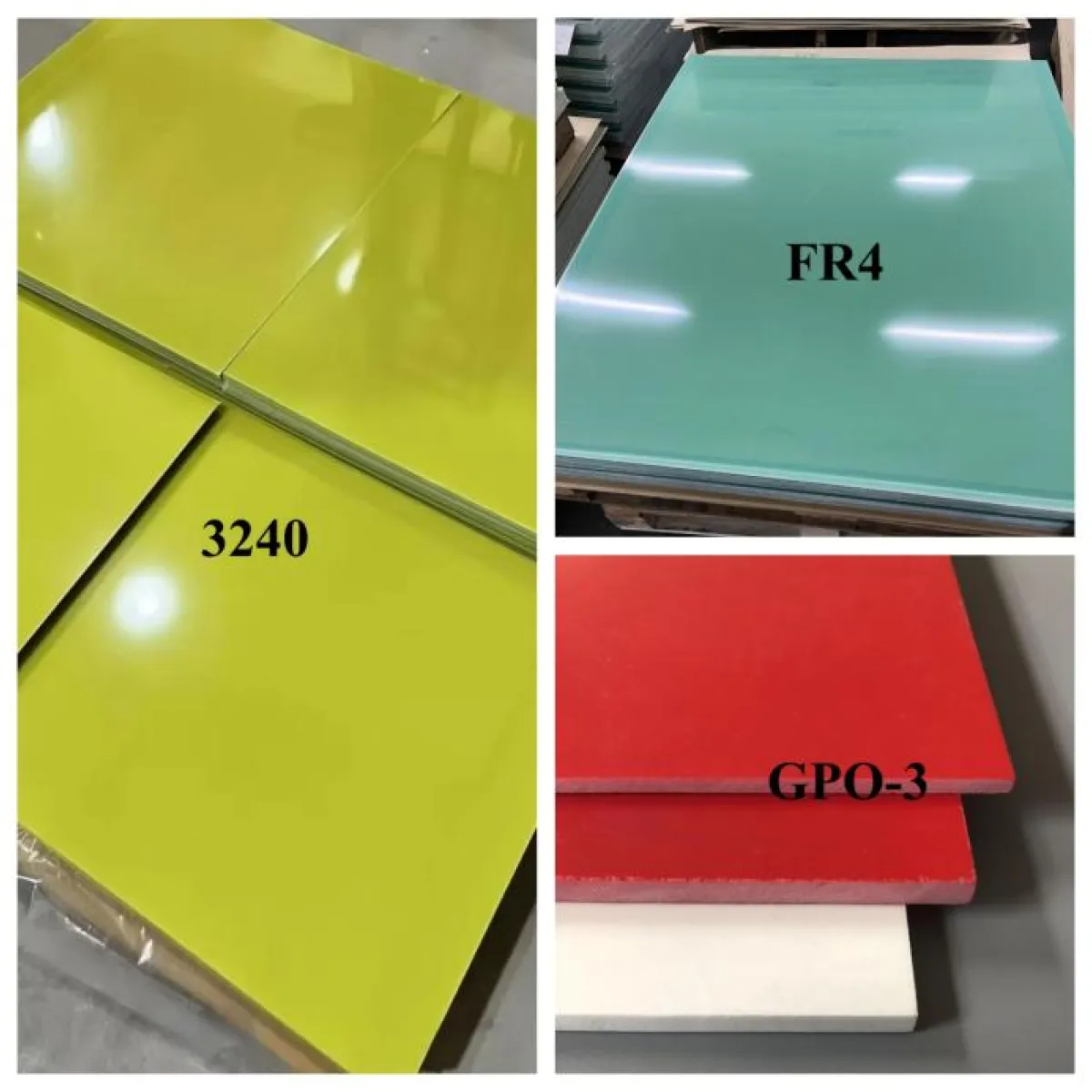
Understanding these differences can help engineers and buyers select the most suitable insulation material for their specific operating conditions.
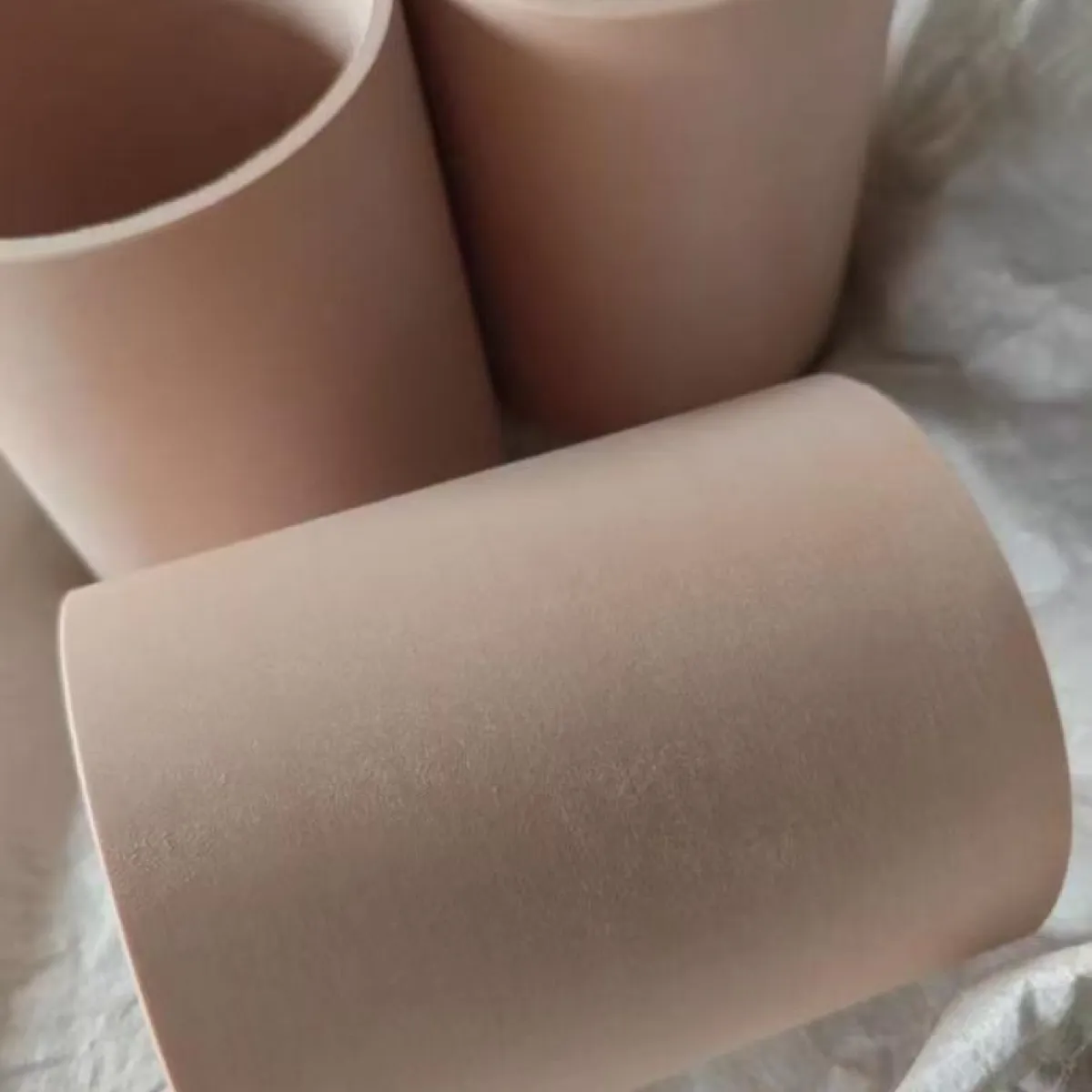
Phenolic Cotton Tube boasts multiple prominent competitive strengths for industrial use. It features extraordinary insulating performance: fully non-conductive, anti-static, and st
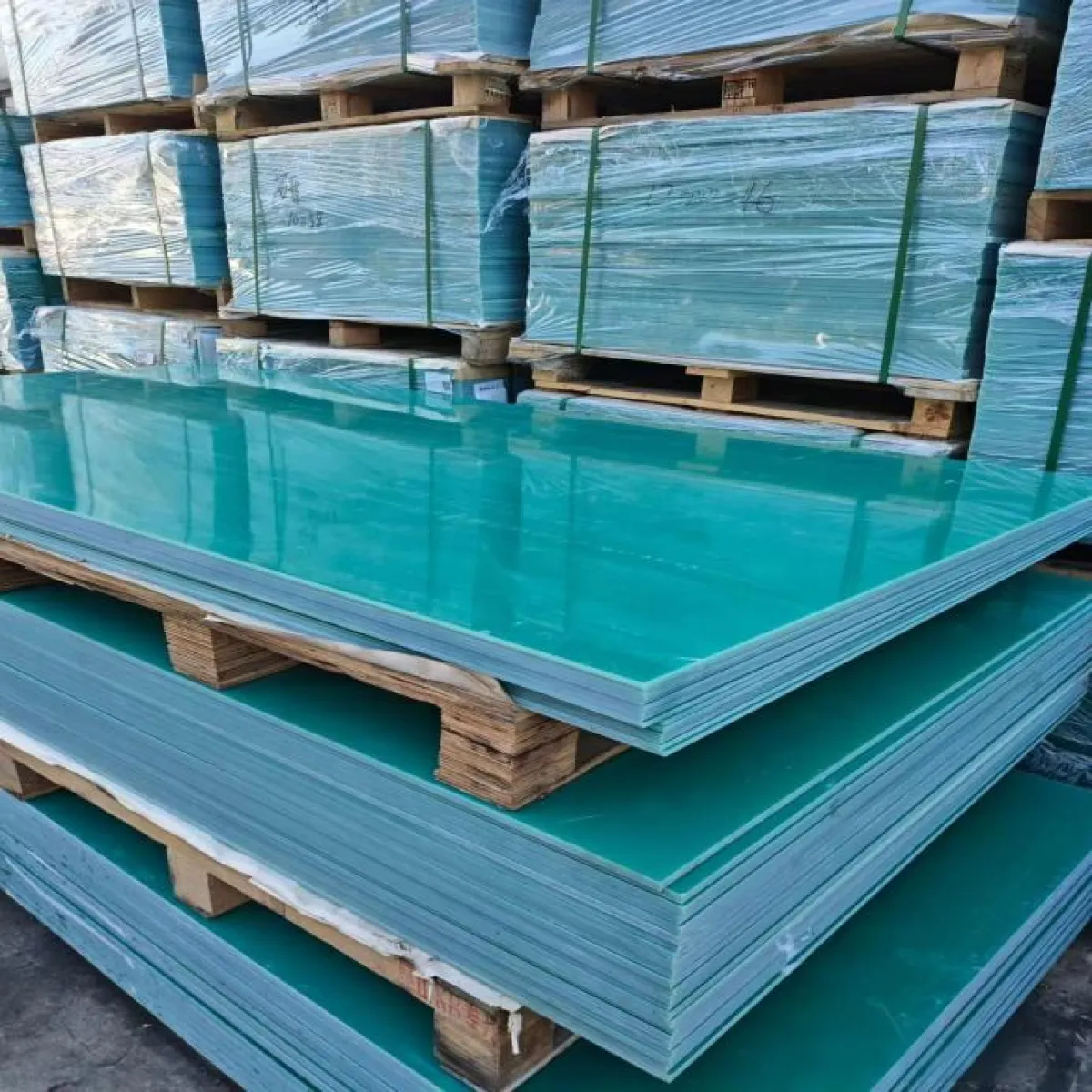
First let us look at its regular uses. In power plants, substations, power distribution rooms and other sites, Insulation Laminated Board is commonly laid on floors to avoid electr
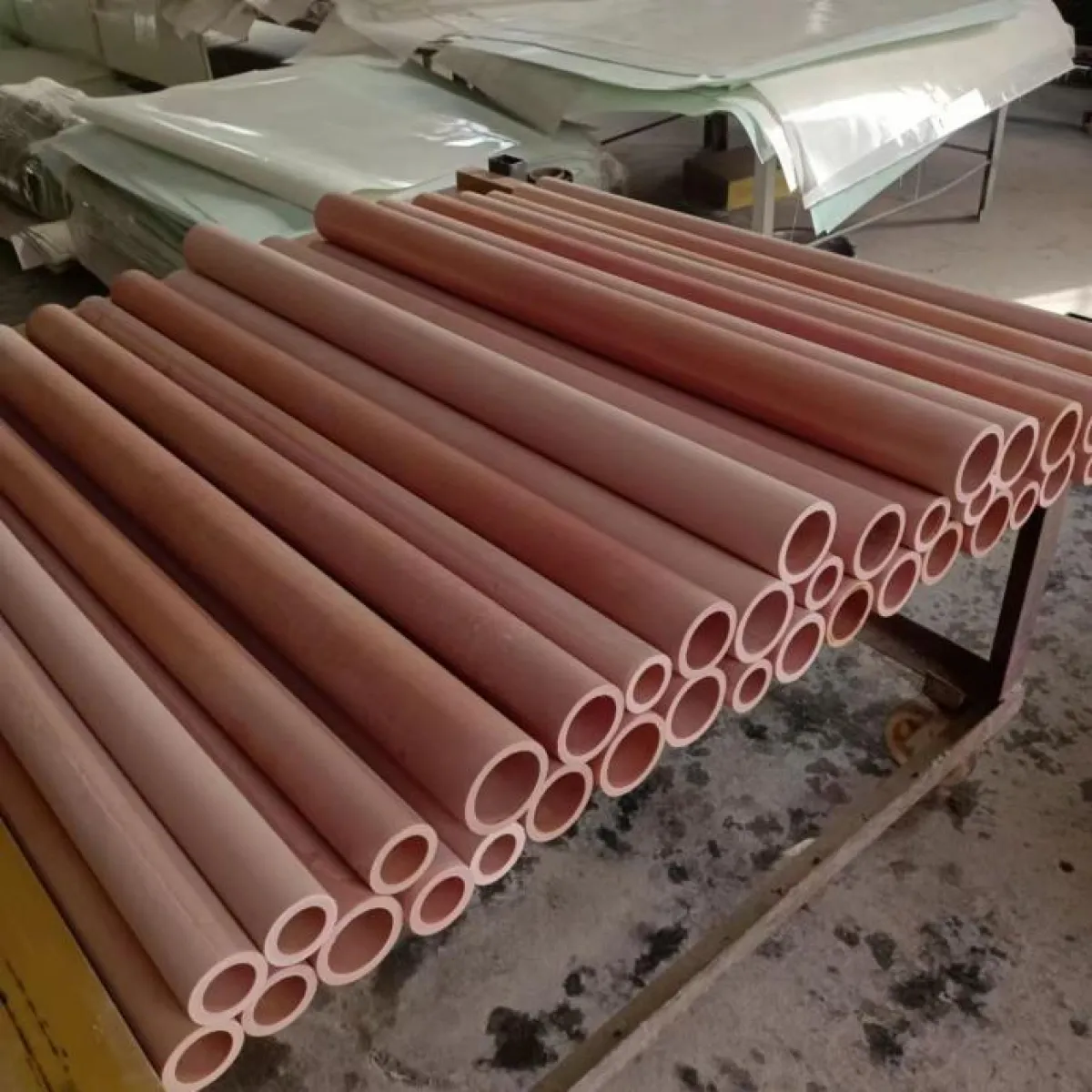
From the perspective of composite materials, Phenolic Cloth Tube is not made of a single substance, but formed by combining thermosetting phenolic resin with reinforcing materials

No.3, Mianzhi Street, Zhucheng, Shandong, China





Copyright © 2026 by Qingdao Yilong Insulation Material Company Limited All Rights Reserved