
In the field of electrical insulation materials, mica tape is widely recognized as an essential fire-resistant layer, especially in applications where safety and stability are paramount. Among the different types of mica tape, calcined mica tape and Synthetic Mica Tape are two of the most commonly used solutions. Each type has distinct raw materials, manufacturing processes, and performance characteristics, making the right choice crucial for specific applications. YILONG, as a leading manufacturer of mica insulation materials, offers a detailed comparison to help customers make informed decisions.
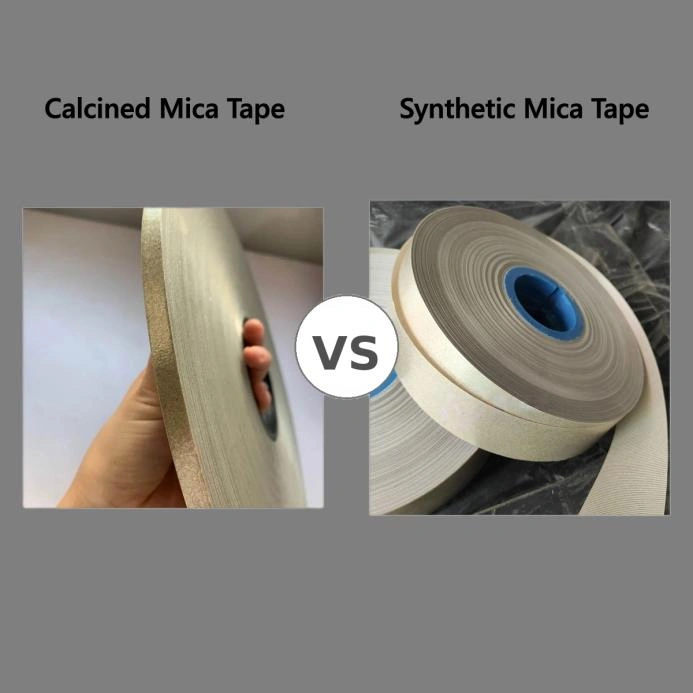
calcined mica tape is manufactured from high-grade calcined white mica paper. The production begins with natural mica, which undergoes ultra-high temperature calcination to remove crystal water and impurities. This process enhances the chemical stability and heat resistance of the mica structure. The calcined mica paper is then reinforced with alkali-free glass fiber cloth or film, and bonded using high-temperature resistant silicone adhesive. The tape is produced through impregnation, high-temperature baking, and drying processes.
This manufacturing approach ensures that calcined mica tape can maintain stable insulation performance under high temperature conditions, while also delivering good flexibility and ease of application.
Synthetic Mica Tape is produced using fluorophlogopite, an artificial mica synthesized under controlled conditions. During synthesis, fluorine ions replace the hydroxyl groups in natural phlogopite mica, forming a stable crystal structure with excellent thermal and electrical properties. The synthetic mica is then processed into mica paper and reinforced on both sides with glass fiber cloth. Silicone resin adhesive is used for bonding, and the final product is formed through drying, rolling, and slitting processes.
The key advantage of Synthetic Mica Tape lies in its uniformity, purity, and superior heat resistance, making it ideal for high-temperature insulation applications.
Both calcined mica tape and Synthetic Mica Tape are designed for high-temperature insulation, but they differ significantly in several key areas:
|
Performance |
calcined mica tape |
Synthetic Mica Tape |
|
Heat Resistance |
High temperature resistance; stable insulation performance in high heat |
Excellent heat resistance; no crystal water; melting point up to 1375°C |
|
Flexibility |
Good flexibility; suitable for high-speed wrapping on small-diameter conductors (≤1mm²) |
Relatively rigid; wrapping small-diameter cables can be challenging and slower |
|
Electrical Insulation |
Excellent insulation at room temperature; good high-temperature insulation |
Best insulation performance at both room and high temperature |
|
Environmental Safety |
Natural mineral base; non-toxic and halogen-free |
Synthetic material; contains chemically processed components |
|
Processing Efficiency |
Easy to handle, suitable for high-speed automated wrapping |
Requires more careful handling and slower winding speed |
calcined mica tape is widely used in environments where fire safety is critical. It is commonly applied in high-rise buildings, subway systems, large power stations, and industrial facilities where fire-resistant cables are mandatory. YILONG’s calcined white mica tape is suitable for a variety of cable types, including:
l Submarine cables
l Marine cables
l Power cables
l Control cables
l Instrument cables
l Signal cables
With its stable insulation and reliable fire resistance, calcined mica tape is an ideal choice for ensuring safety in demanding electrical environments.
Synthetic Mica Tape is favored for applications requiring extreme heat resistance and electrical insulation. It is commonly used in:
l Motor and generator insulation
l High-temperature electrical appliances
l Industrial electronics
l High fire-grade cable insulation
The high purity and uniformity of Synthetic Mica Tape make it suitable for high-performance applications where safety and durability are essential.
Choosing between calcined mica tape and Synthetic Mica Tape depends on several factors. YILONG recommends evaluating the following aspects:
l Operating temperature: For environments exceeding 1000°C, Synthetic Mica Tape is the preferred choice.
l Cable diameter and winding requirements: For small-diameter conductors and high-speed winding, calcined mica tape offers better flexibility and processing efficiency.
l Insulation performance: Synthetic Mica Tape provides superior electrical insulation, especially at elevated temperatures.
l Environmental and safety standards: calcined mica tape uses natural mineral materials, making it more environmentally friendly and halogen-free.
l Cost considerations: calcined mica tape typically offers cost advantages, while Synthetic Mica Tape provides higher performance at a higher cost.
At YILONG, we focus on providing high-quality insulation materials that meet stringent safety standards and customer requirements. Whether it is calcined mica tape or Synthetic Mica Tape, our products undergo strict quality control and performance testing to ensure stable electrical insulation, high heat resistance, and long-term reliability.
We work closely with cable manufacturers and electrical equipment producers to recommend the most suitable mica tape solution based on specific application needs. By combining material expertise with production experience, YILONG helps customers achieve superior safety performance and cost-effective solutions.
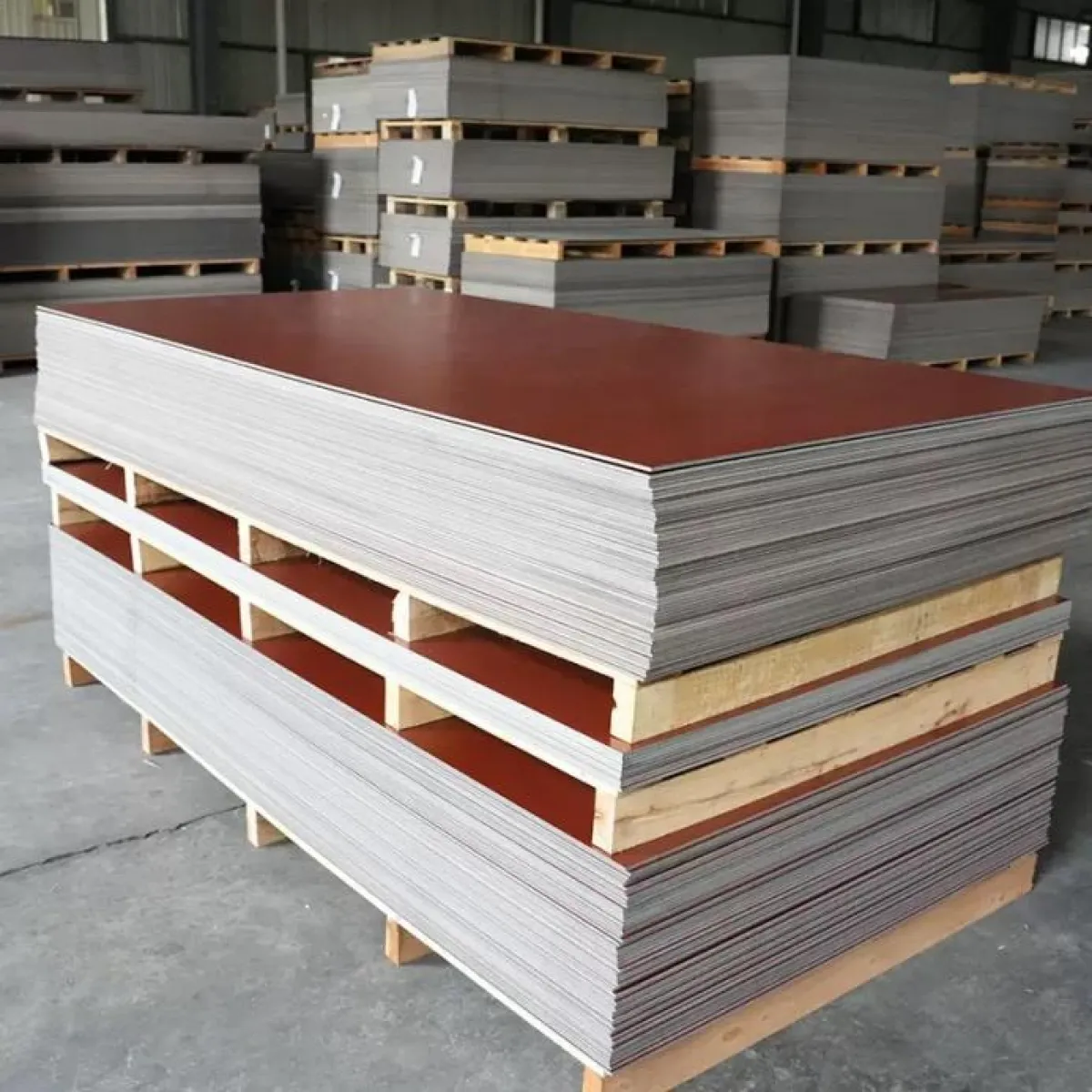
PFCP201 is manufactured using high-quality insulating paper impregnated with phenolic resin. After the raw materials are carefully inspected, the paper is passed through an automat
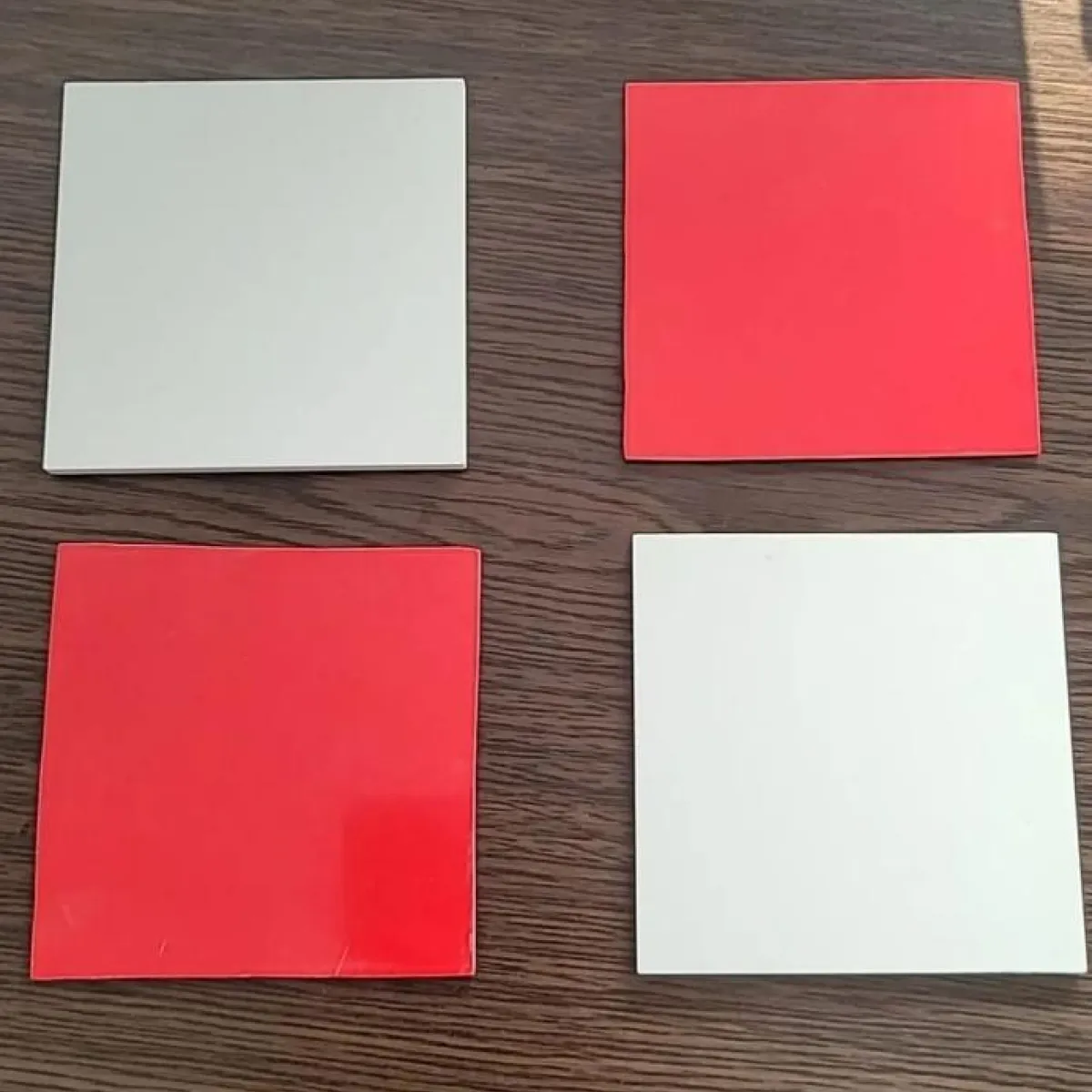
GPO-3 insulation board, also known as UPGM-203, is a rigid electrical insulation material made from alkali-free glass fiber mat impregnated with unsaturated polyester resin and pro
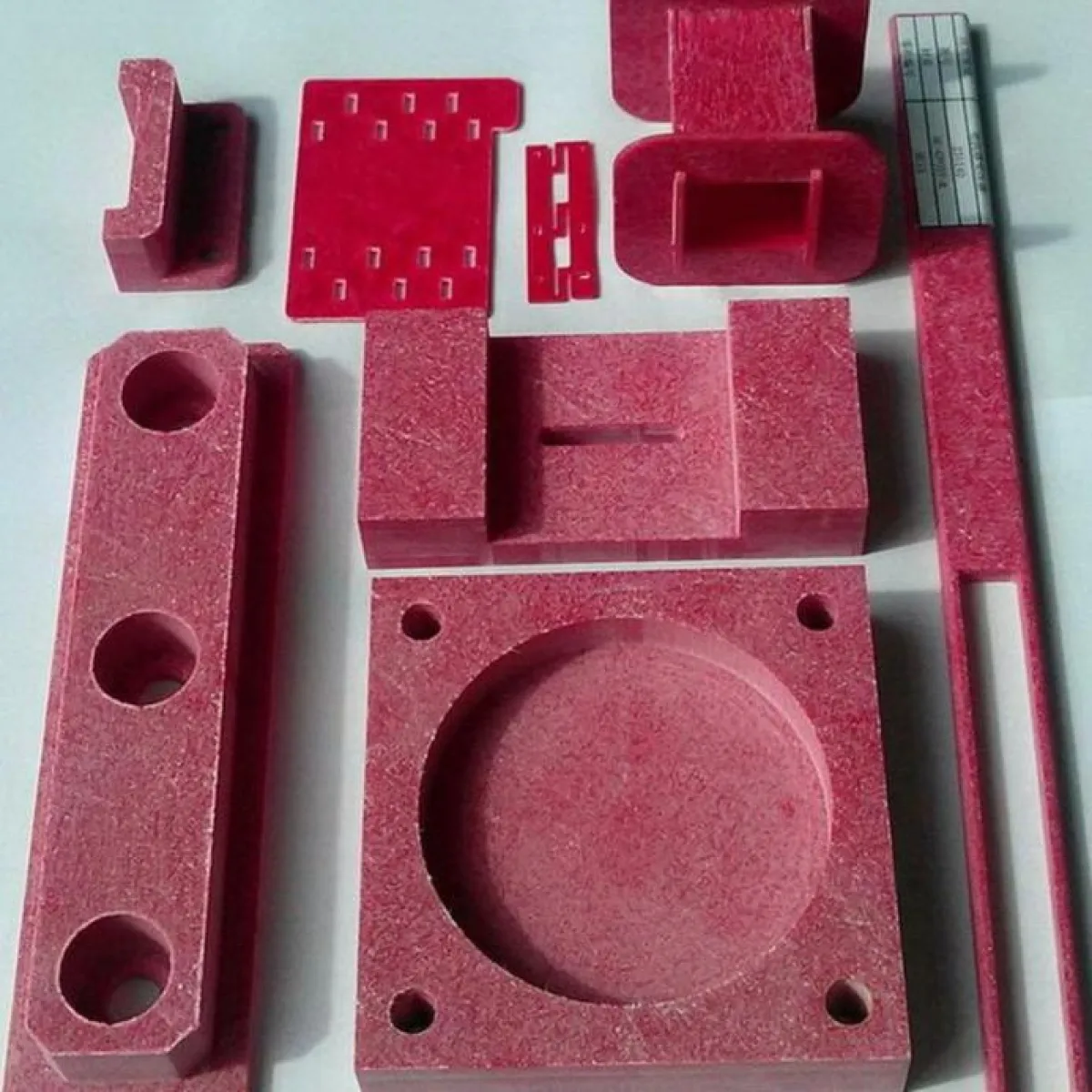
Compared with many conventional insulation materials, GPO-3 offers two particularly important advantages: strong resistance to heat and moisture, and stable electrical insulation p
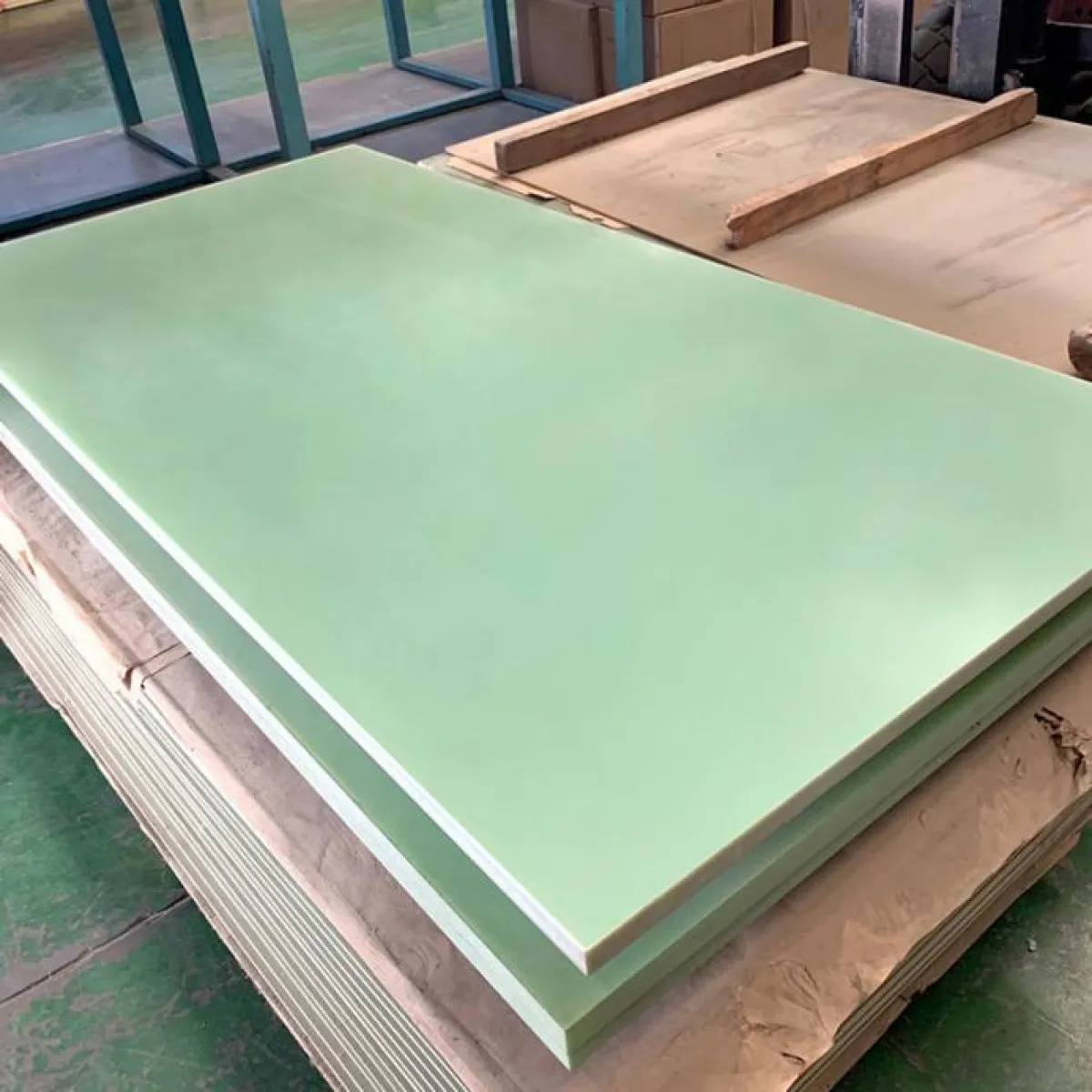
However, selecting a cryogenic insulation material based only on its standard properties may not be enough. In actual service, continuous immersion, concentrated mechanical loads,

Silicone Glass Cloth Sheet (G7) combines silicone resin with glass fiber cloth to provide a balance of high-temperature resistance, electrical insulation, mechanical strength, and
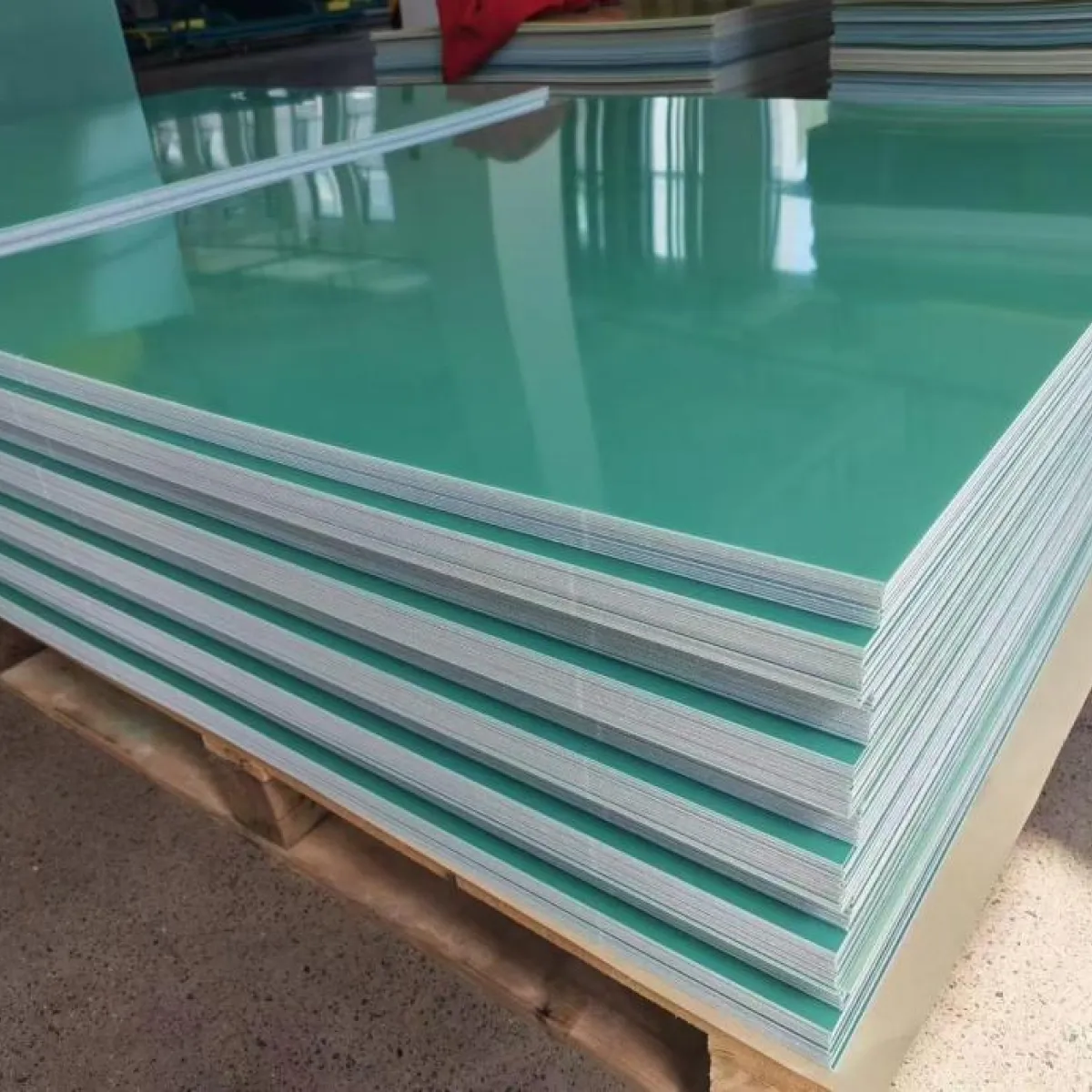
These properties make EPGC308 particularly suitable for electrical equipment operating under high temperature, high humidity and high-voltage conditions.
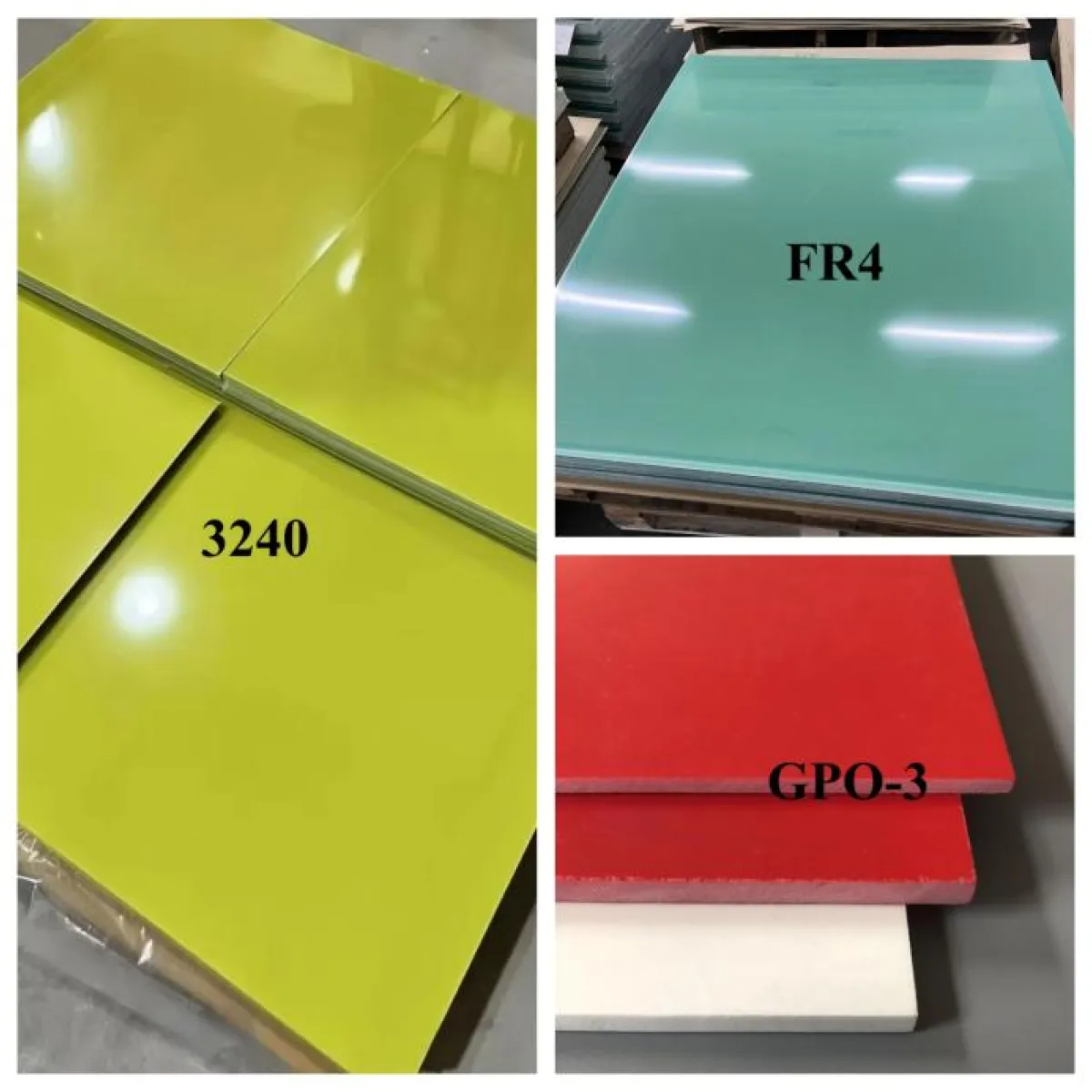
Understanding these differences can help engineers and buyers select the most suitable insulation material for their specific operating conditions.
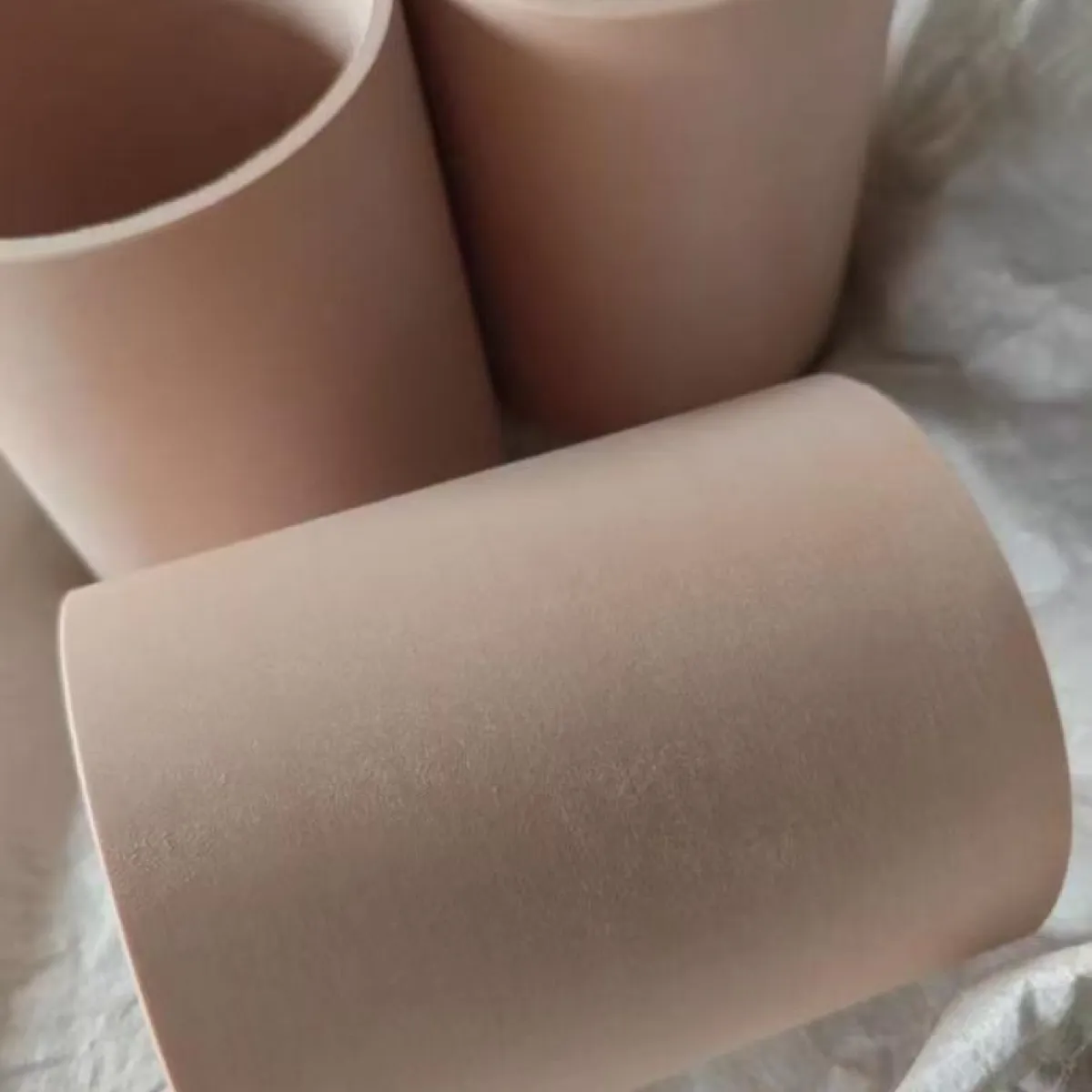
Phenolic Cotton Tube boasts multiple prominent competitive strengths for industrial use. It features extraordinary insulating performance: fully non-conductive, anti-static, and st
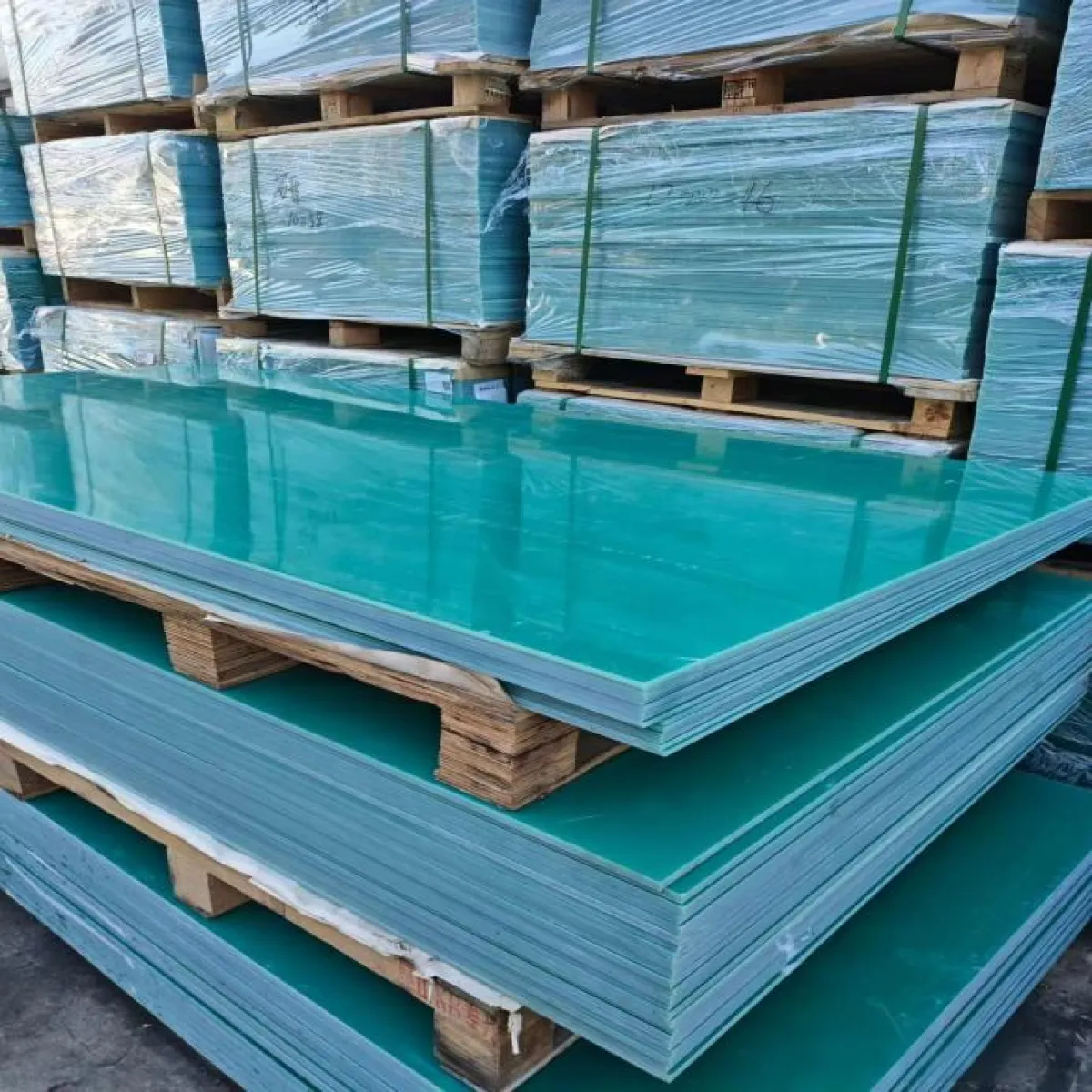
First let us look at its regular uses. In power plants, substations, power distribution rooms and other sites, Insulation Laminated Board is commonly laid on floors to avoid electr
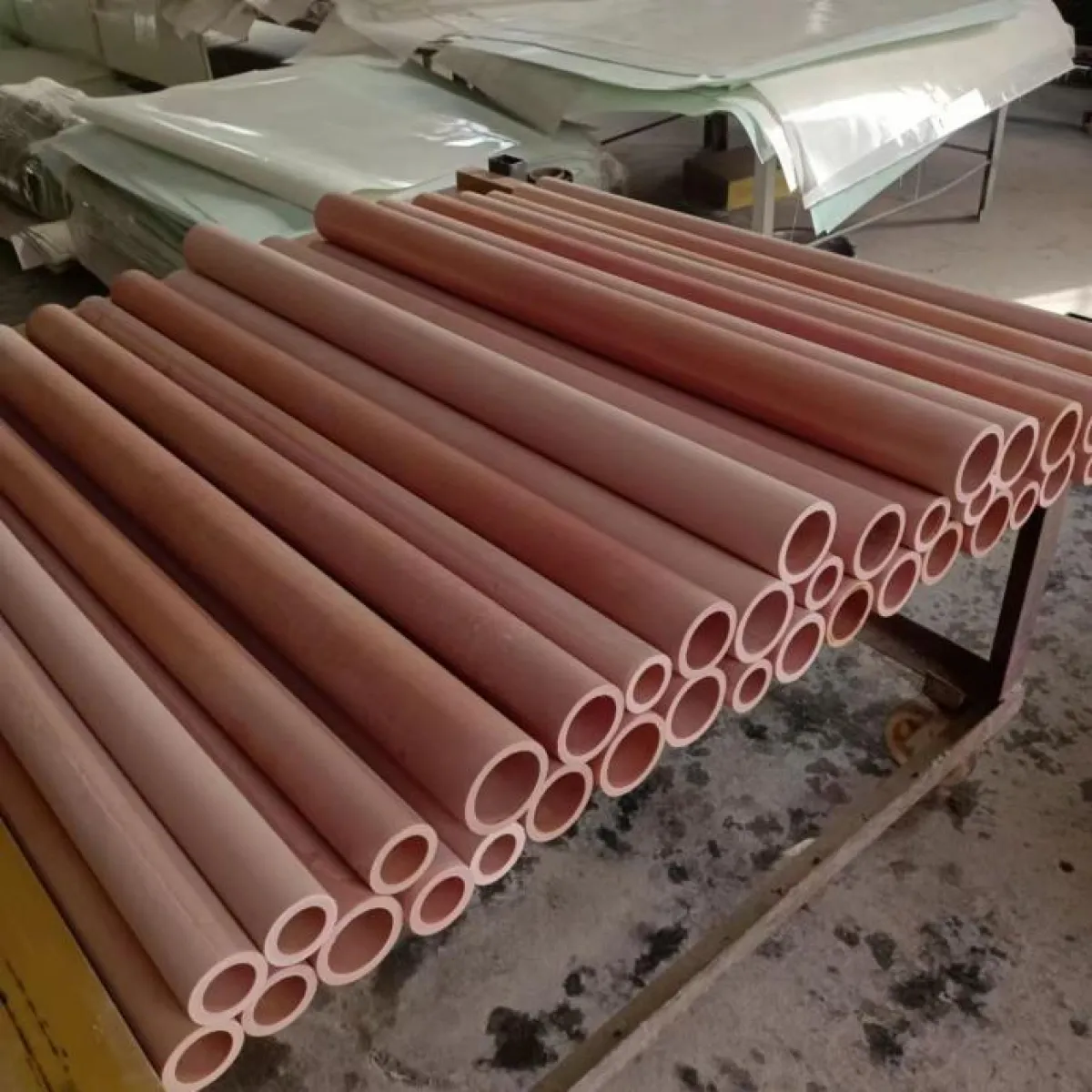
From the perspective of composite materials, Phenolic Cloth Tube is not made of a single substance, but formed by combining thermosetting phenolic resin with reinforcing materials

No.3, Mianzhi Street, Zhucheng, Shandong, China





Copyright © 2026 by Qingdao Yilong Insulation Material Company Limited All Rights Reserved