
Epoxy Sheets are widely used in electrical and electronic applications due to their excellent combination of heat resistance, corrosion resistance, wear resistance, light weight, and electrical insulation properties.
Different grades of epoxy laminates have different thermal performance capabilities. Standard grades are commonly used at temperatures around 130°C to 155°C, while certain high-temperature materials such as G11 and EPGC203 laminates can operate continuously at temperatures approaching 180°C and, in some cases, withstand even higher short-term exposure.
When evaluating whether an Epoxy Sheet can truly meet its specified temperature rating, simply checking the datasheet is not enough. Thermal testing and material behavior under heat provide important indicators of actual performance.
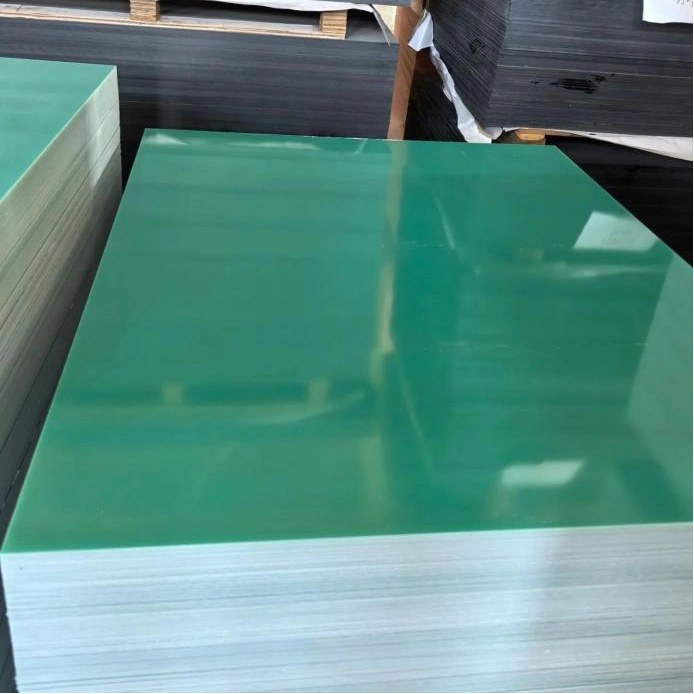
When an Epoxy Sheet is heated to its specified operating temperature, it should maintain its original shape and dimensions without significant deformation.
Signs of thermal failure may include:
l Bending
l Warping
l Shrinkage
l Excessive expansion
l Surface lifting or distortion
Once the temperature exceeds the material's thermal capability, internal stresses within the laminate structure begin to change. This can result in permanent deformation that cannot be restored after cooling. Such behavior indicates that the material may not be suitable for the claimed temperature rating.
Epoxy laminates are composite materials consisting of multiple layers of glass fabric reinforced with epoxy resin.
The bonding strength between the glass reinforcement and resin matrix is critical to the material's structural integrity. If excessive heat causes degradation of the resin system, the bond between layers may weaken, leading to delamination.
During thermal testing, any visible separation between laminate layers is a clear indication that the material has exceeded its thermal limits or does not meet the required temperature specification.
A properly manufactured epoxy laminate should remain structurally intact without layer separation when exposed to its rated operating temperature.
Another important indicator is the appearance of cracks during heating.
If fine surface cracks begin to develop before the specified test temperature is reached, and these cracks gradually deepen or propagate through the material thickness, the laminate may be suffering from thermal stress failure.
In severe cases, continued heating can lead to complete fracture of the sheet.
Cracking during temperature testing generally indicates inadequate thermal performance and may suggest manufacturing defects, improper curing, or insufficient material quality.
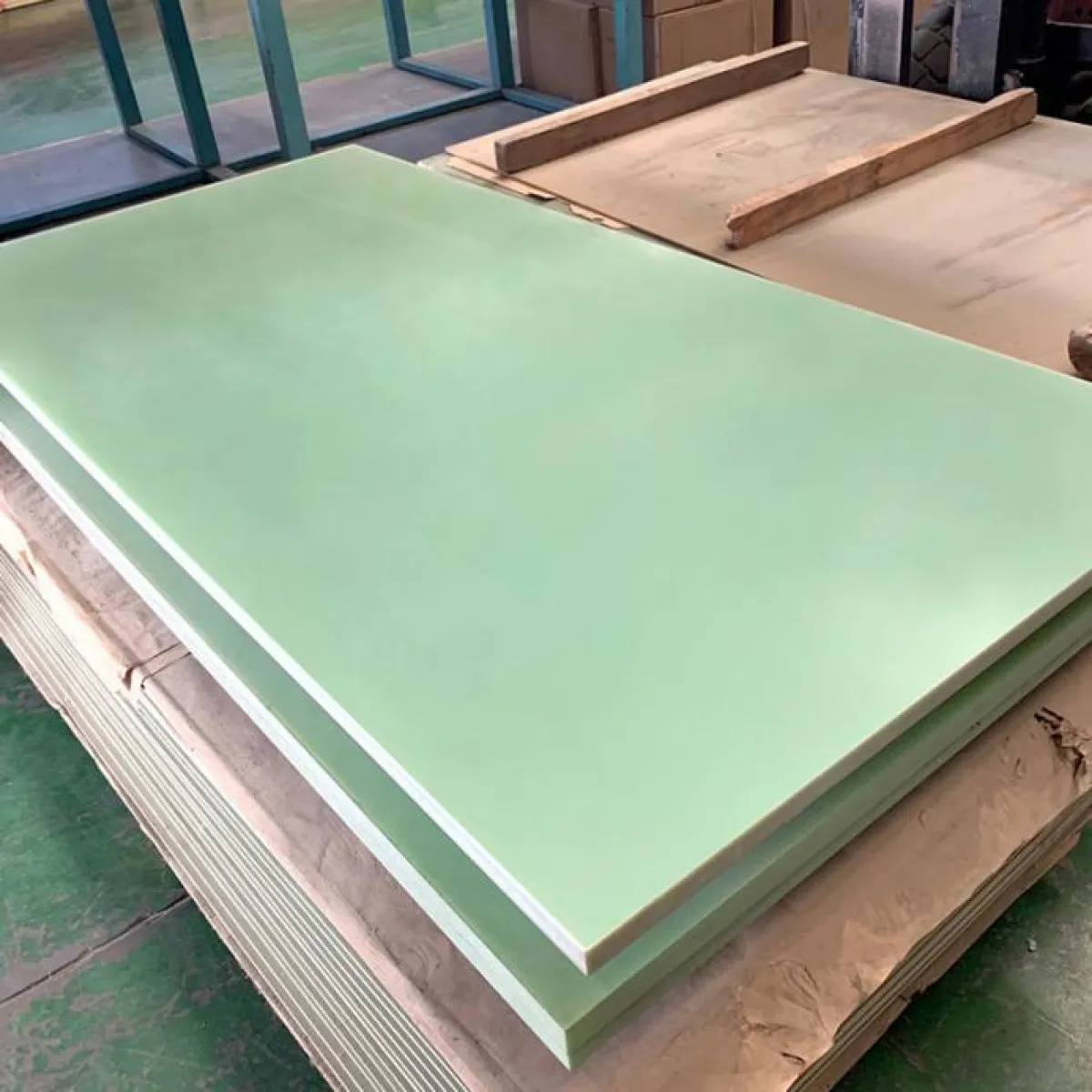
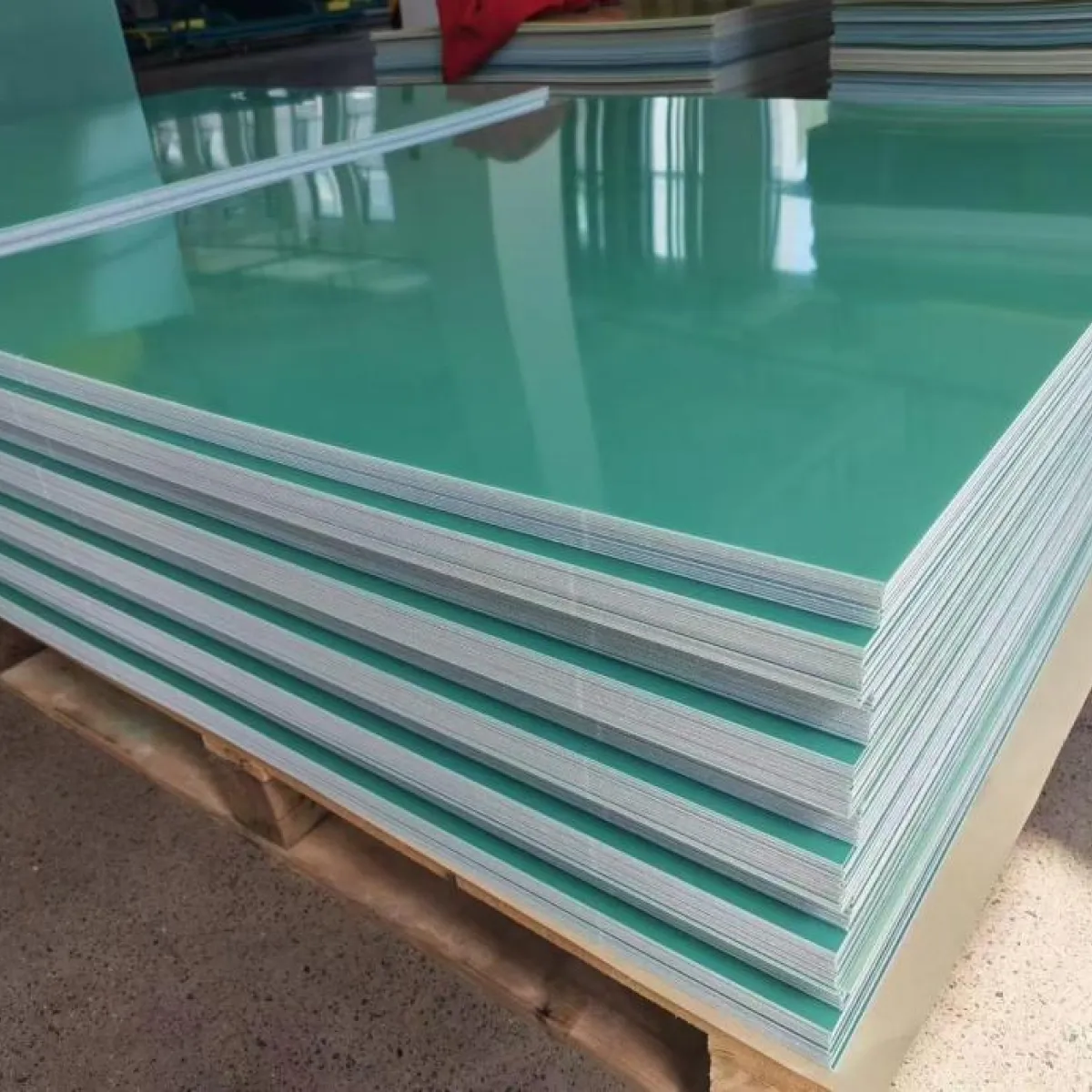
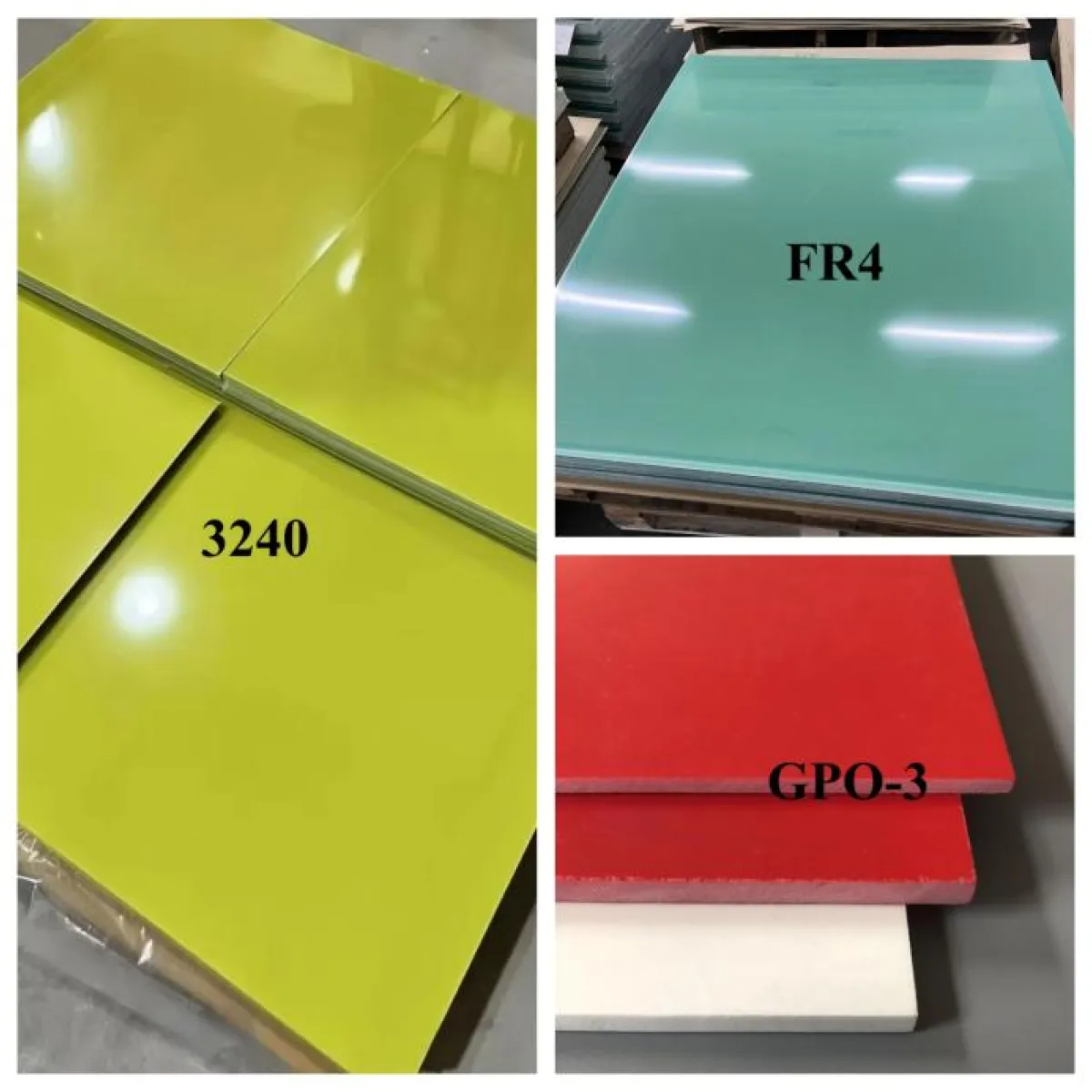
Most epoxy laminates are available in colors such as yellow, light green, black, or natural green.
Changes in appearance can often reflect changes occurring within the material structure. During heating tests, premature whitening, discoloration, or loss of surface transparency may indicate degradation of the resin system.
If noticeable whitening occurs before the specified temperature is reached, it can be a warning sign of:
l Resin degradation
l Internal stress damage
l Micro-cracking
l Reduced mechanical performance
l Potential deterioration of electrical insulation properties
While slight color variations may occur under certain conditions, significant whitening before reaching the rated temperature generally warrants further investigation of the material's quality and thermal performance.
A high-quality Epoxy Sheet should maintain dimensional stability, structural integrity, surface appearance, and mechanical properties throughout its specified operating temperature range. Deformation, delamination, cracking, or abnormal color changes during thermal testing may indicate that the material does not fully satisfy the required temperature classification or long-term service requirements.
For critical electrical insulation applications, thermal performance should always be verified through standardized testing methods rather than relying solely on visual appearance or nominal material grades.
WhatsApp: 86 15866869385
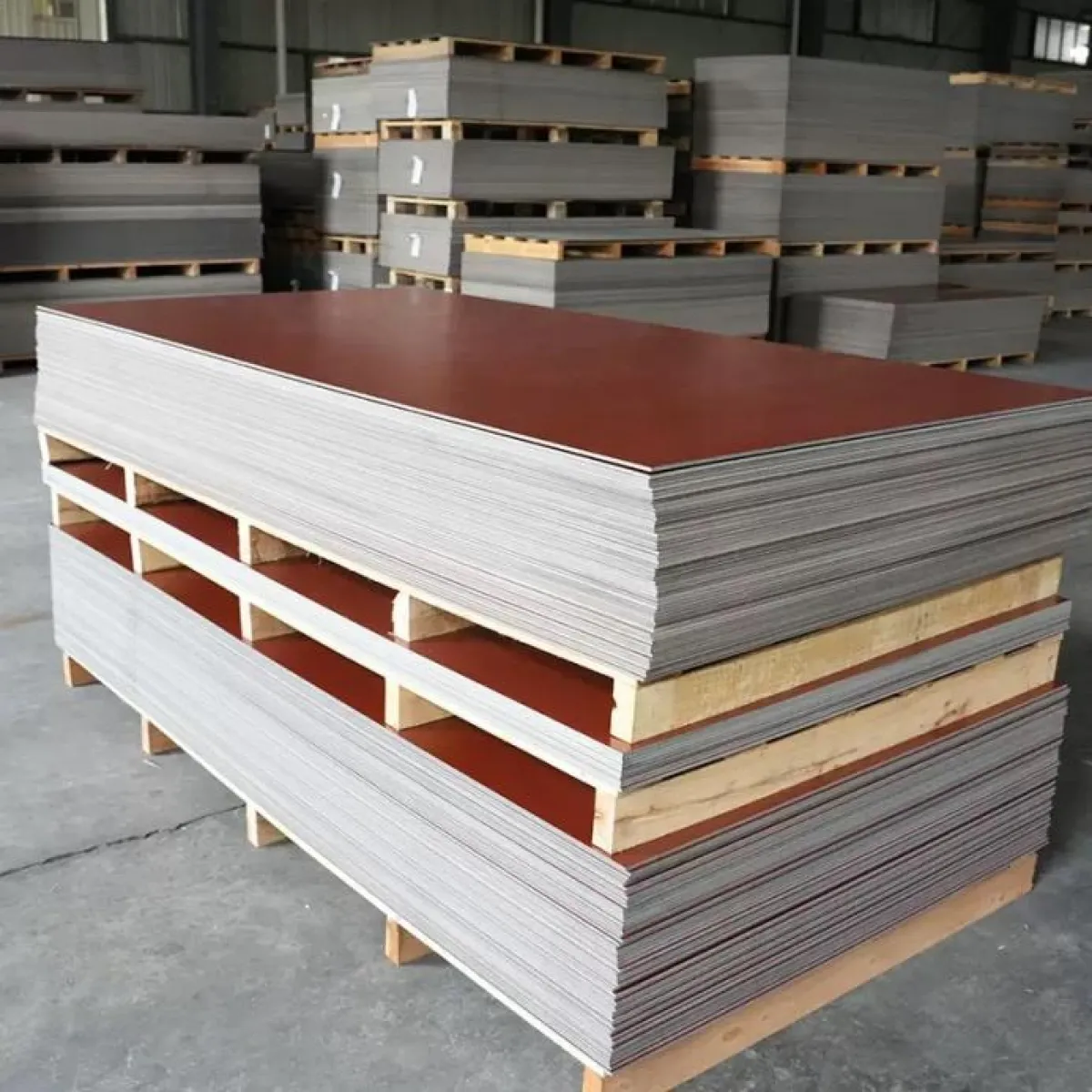
PFCP201 is manufactured using high-quality insulating paper impregnated with phenolic resin. After the raw materials are carefully inspected, the paper is passed through an automat
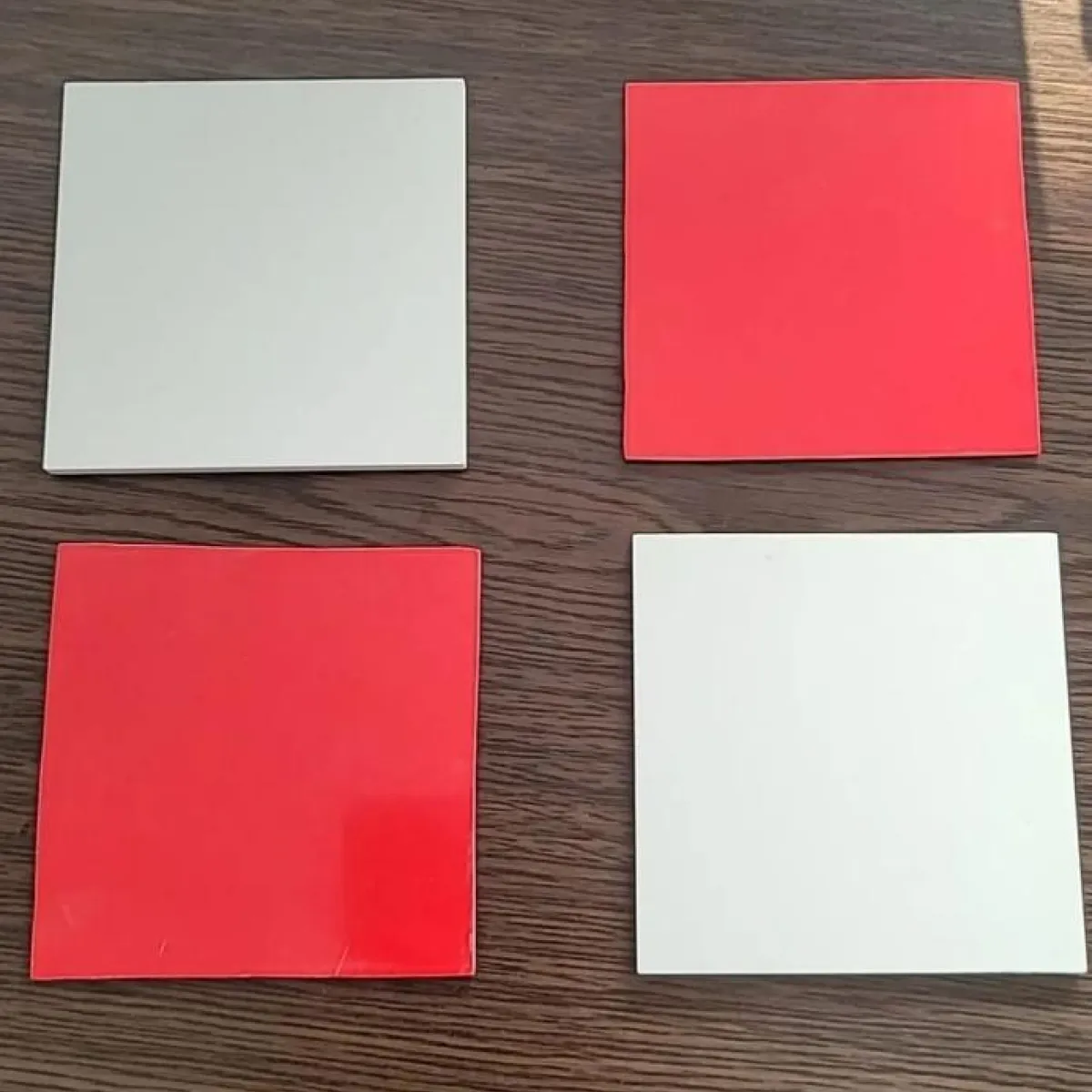
GPO-3 insulation board, also known as UPGM-203, is a rigid electrical insulation material made from alkali-free glass fiber mat impregnated with unsaturated polyester resin and pro
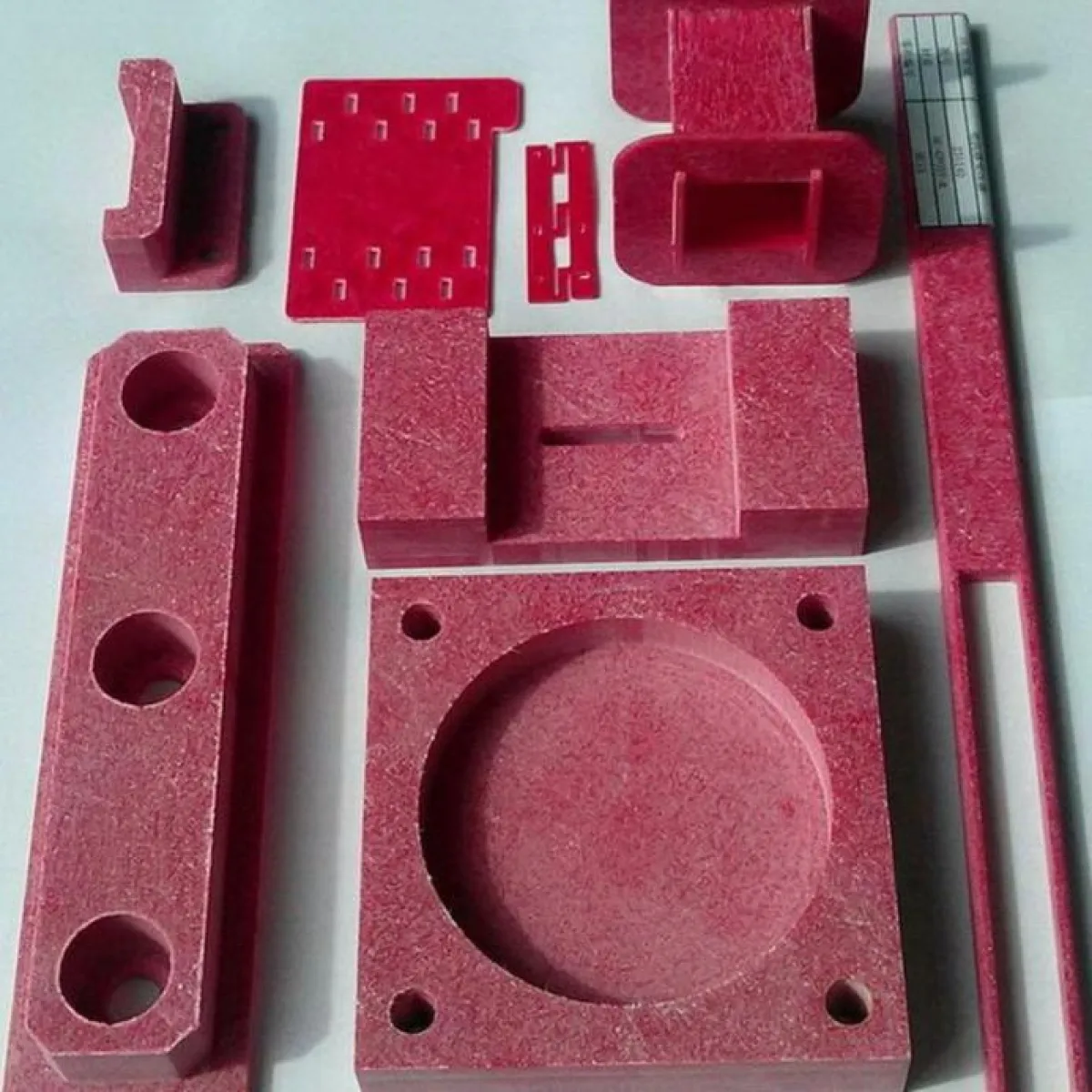
Compared with many conventional insulation materials, GPO-3 offers two particularly important advantages: strong resistance to heat and moisture, and stable electrical insulation p
However, selecting a cryogenic insulation material based only on its standard properties may not be enough. In actual service, continuous immersion, concentrated mechanical loads,

Silicone Glass Cloth Sheet (G7) combines silicone resin with glass fiber cloth to provide a balance of high-temperature resistance, electrical insulation, mechanical strength, and
These properties make EPGC308 particularly suitable for electrical equipment operating under high temperature, high humidity and high-voltage conditions.
Understanding these differences can help engineers and buyers select the most suitable insulation material for their specific operating conditions.
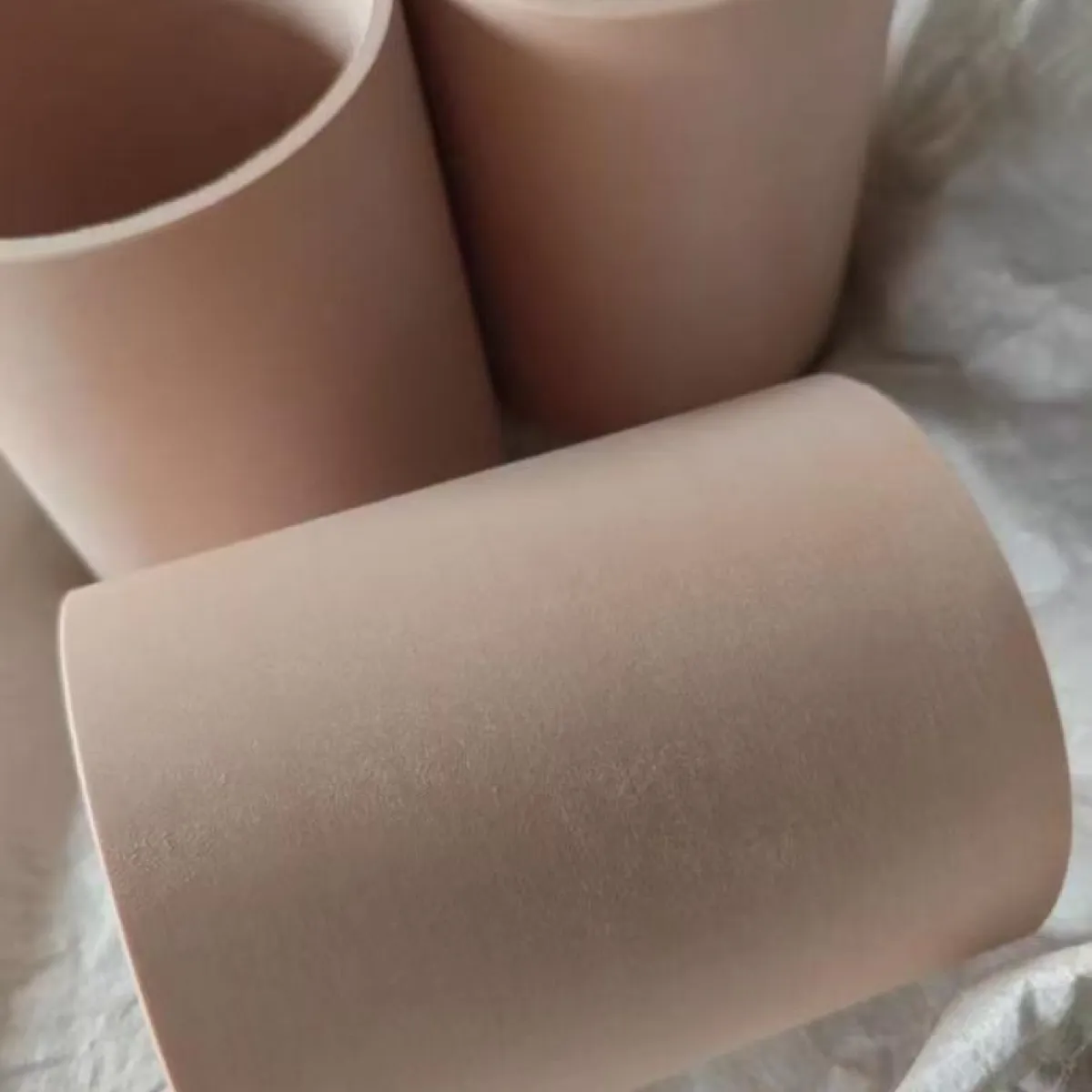
Phenolic Cotton Tube boasts multiple prominent competitive strengths for industrial use. It features extraordinary insulating performance: fully non-conductive, anti-static, and st
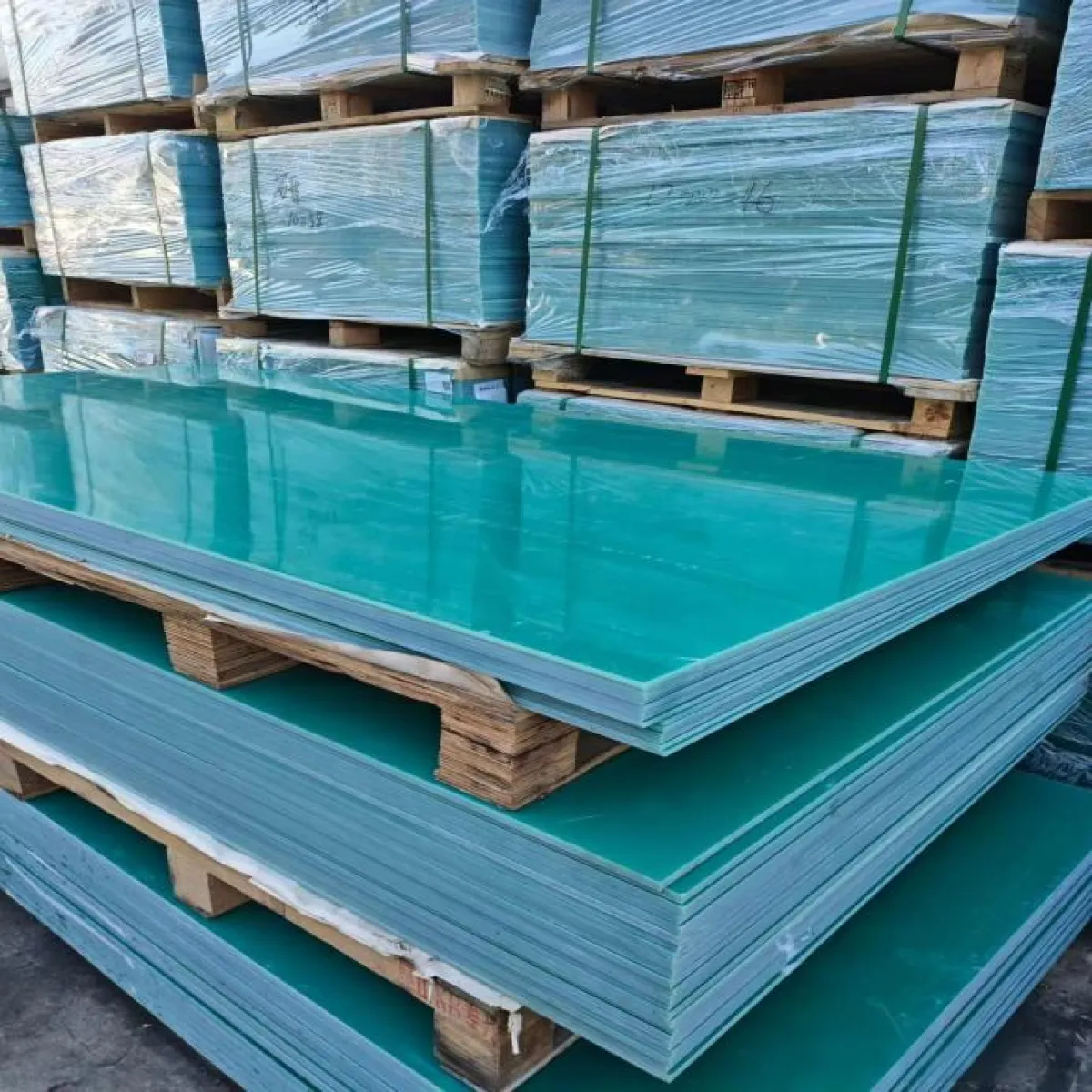
First let us look at its regular uses. In power plants, substations, power distribution rooms and other sites, Insulation Laminated Board is commonly laid on floors to avoid electr
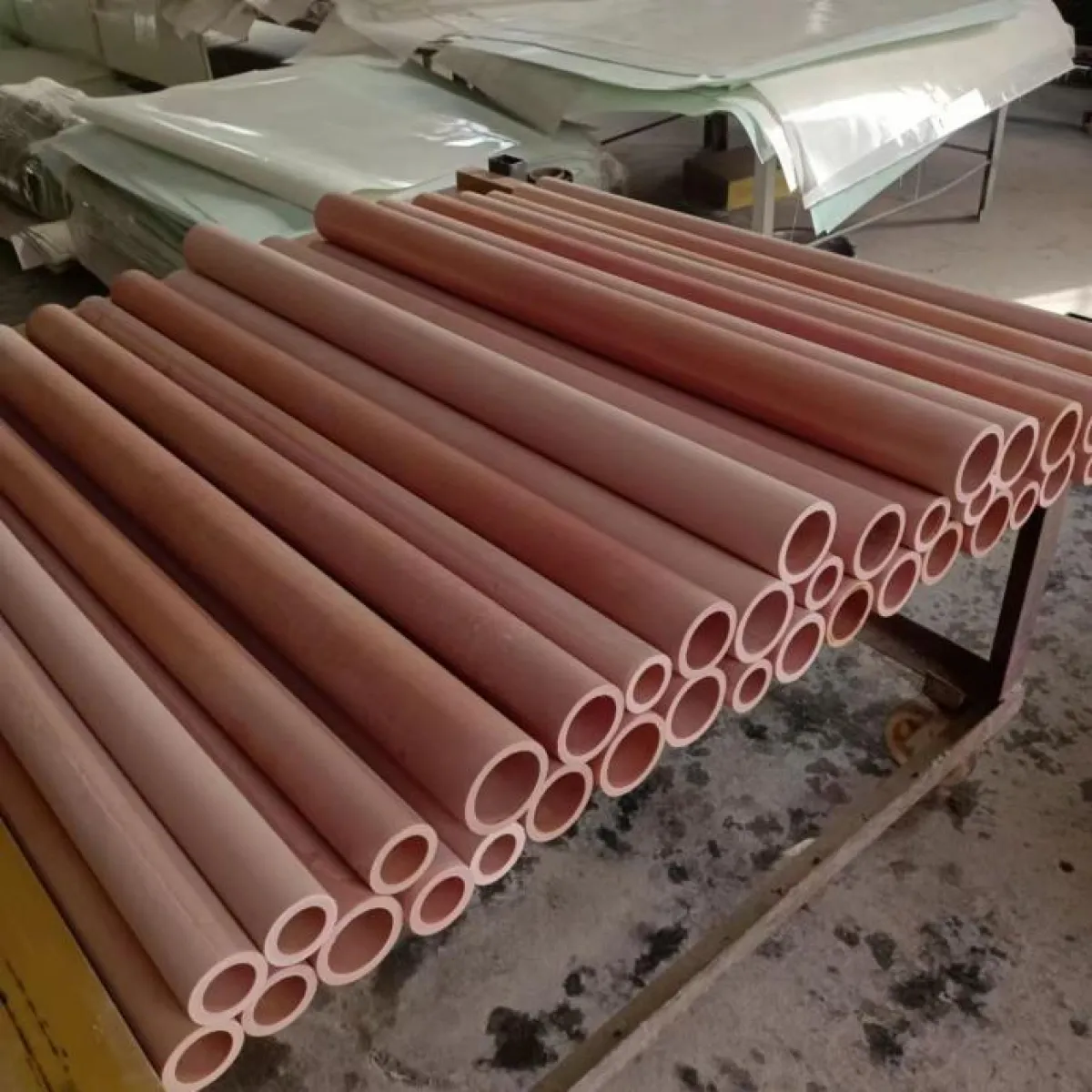
From the perspective of composite materials, Phenolic Cloth Tube is not made of a single substance, but formed by combining thermosetting phenolic resin with reinforcing materials

No.3, Mianzhi Street, Zhucheng, Shandong, China





Copyright © 2026 by Qingdao Yilong Insulation Material Company Limited All Rights Reserved