
Electrical resistance is the reciprocal of conductance, and resistivity refers to the resistance per unit volume of a material. The lower the conductivity of a material, the higher its resistance. For Electrical Insulation Materials, higher resistivity is always preferred. A higher resistivity indicates better insulation performance and lower leakage current under electrical stress.
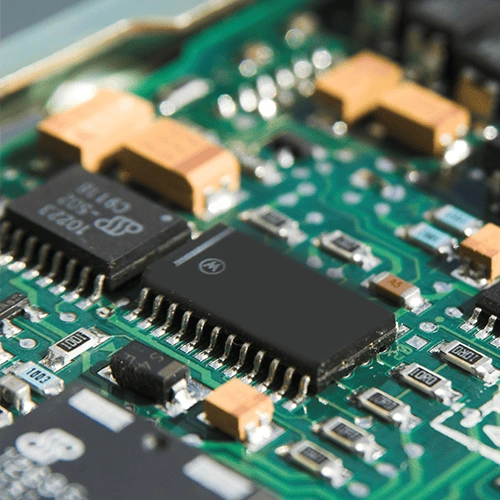
Electrical Insulation Materials are mainly used for two purposes: electrical isolation between components in power systems, and dielectric media in capacitors for energy storage.
For electrical isolation applications, a lower relative permittivity is preferred to reduce capacitance effects. For capacitor applications, a higher relative permittivity is desired to improve energy storage capability. However, in both cases, a low dielectric loss tangent (tan δ) is essential.
Especially in high-frequency and high-voltage applications, materials with low dielectric loss are required to minimize energy dissipation and heat generation.
When an Electrical Insulation Material is subjected to a sufficiently strong electric field, it loses its insulating properties and becomes conductive. This phenomenon is called electrical breakdown. The voltage at which breakdown occurs is known as breakdown voltage.
Dielectric strength refers to the breakdown voltage per unit thickness of the material under specified test conditions, i.e., the voltage that a material can withstand per unit thickness before breakdown occurs. For Electrical Insulation Materials, higher breakdown voltage and higher dielectric strength are always preferred, indicating better resistance to electrical failure.
Tensile strength is the maximum tensile stress a material can withstand during a tensile test before failure. It is one of the most widely used indicators for evaluating the mechanical performance of Electrical Insulation Materials and reflects their resistance to pulling forces and structural integrity.
Flame resistance refers to the ability of an insulating material to resist ignition when exposed to a flame and to prevent continued burning once the flame source is removed.
As the application range of Electrical Insulation Materials continues to expand, flame retardancy has become increasingly important. Higher flame resistance means improved operational safety and reduced fire risk.
Arc resistance refers to the ability of an insulating material to withstand the воздейств of an electric arc along its surface under specified test conditions.
In testing, an alternating high voltage with low current is applied to generate an arc between two electrodes. The time required for the material surface to form a conductive path is used to evaluate its arc resistance. A longer time indicates better arc resistance performance.
Sealing performance refers to the material’s ability to provide effective isolation against oil and water penetration.
Good sealing performance ensures stable operation in environments involving transformer oil, moisture, or other insulating fluids, preventing degradation of electrical and mechanical properties over time.
YILONG specializes in high-performance Electrical Insulation Materials and CNC machined insulation components, providing stable quality epoxy laminates, FR4, G10/G11, and phenolic materials for electrical, electronic, and industrial applications worldwide.
WhatsApp: 86 15866869385
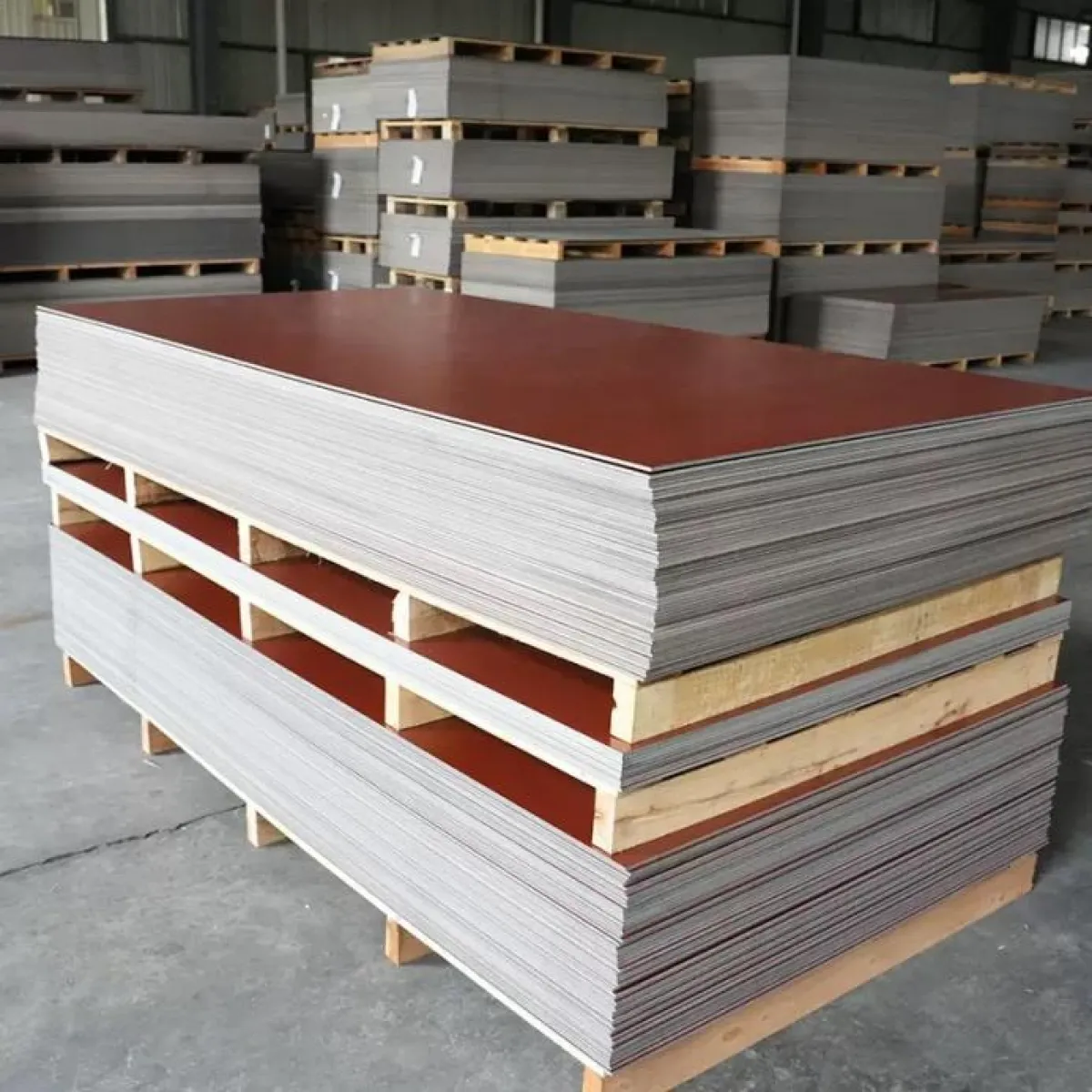
PFCP201 is manufactured using high-quality insulating paper impregnated with phenolic resin. After the raw materials are carefully inspected, the paper is passed through an automat
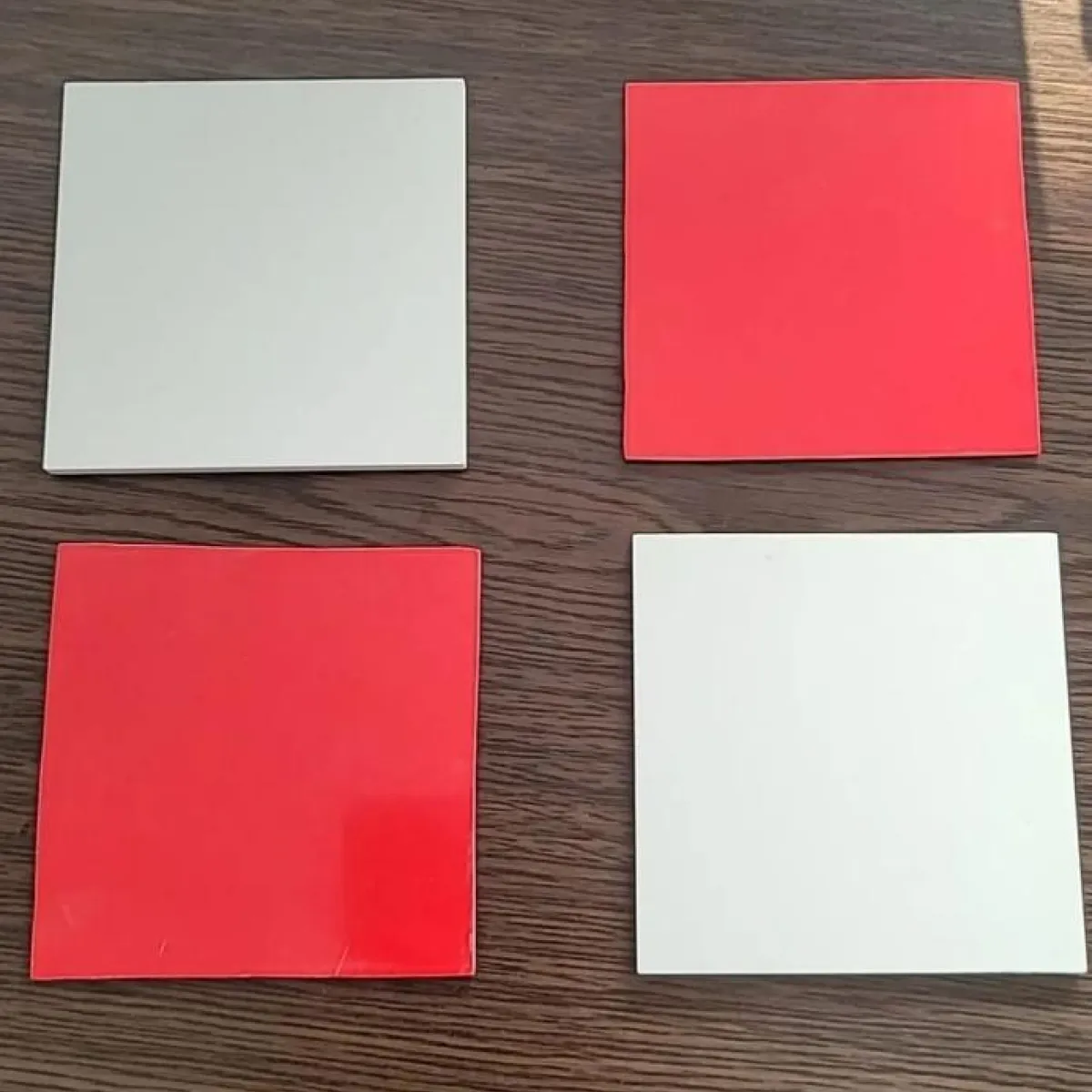
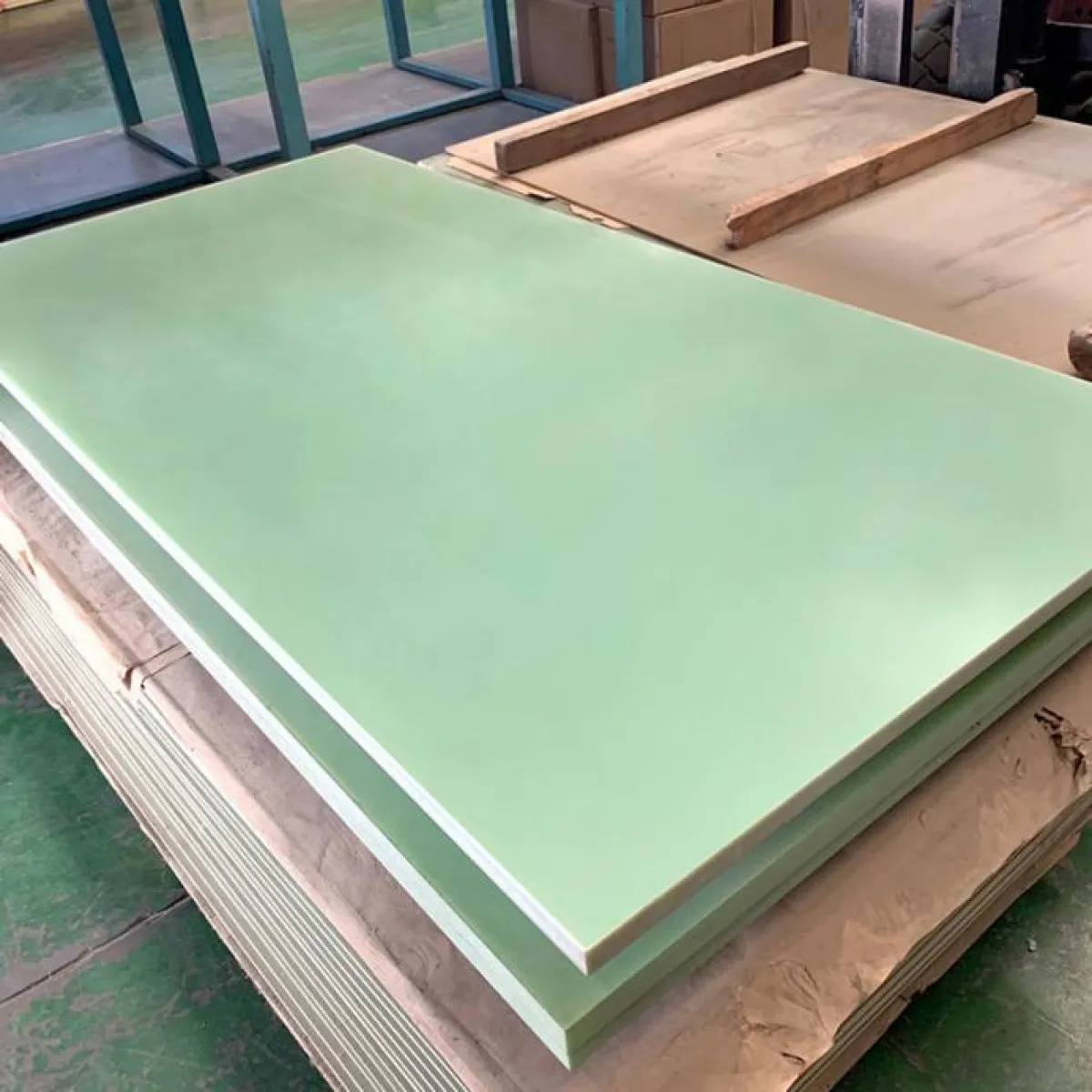
GPO-3 insulation board, also known as UPGM-203, is a rigid electrical insulation material made from alkali-free glass fiber mat impregnated with unsaturated polyester resin and pro
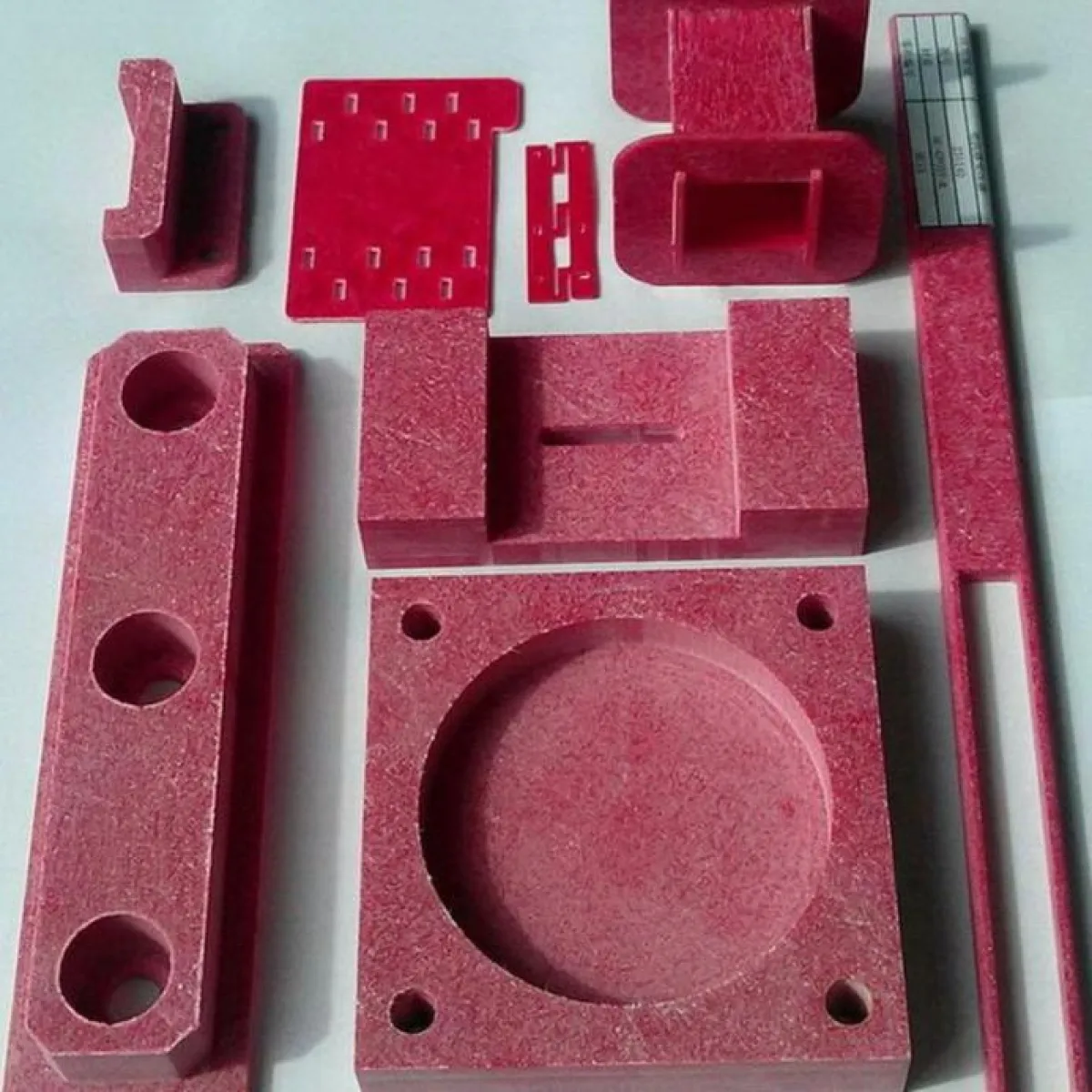
Compared with many conventional insulation materials, GPO-3 offers two particularly important advantages: strong resistance to heat and moisture, and stable electrical insulation p
However, selecting a cryogenic insulation material based only on its standard properties may not be enough. In actual service, continuous immersion, concentrated mechanical loads,

Silicone Glass Cloth Sheet (G7) combines silicone resin with glass fiber cloth to provide a balance of high-temperature resistance, electrical insulation, mechanical strength, and
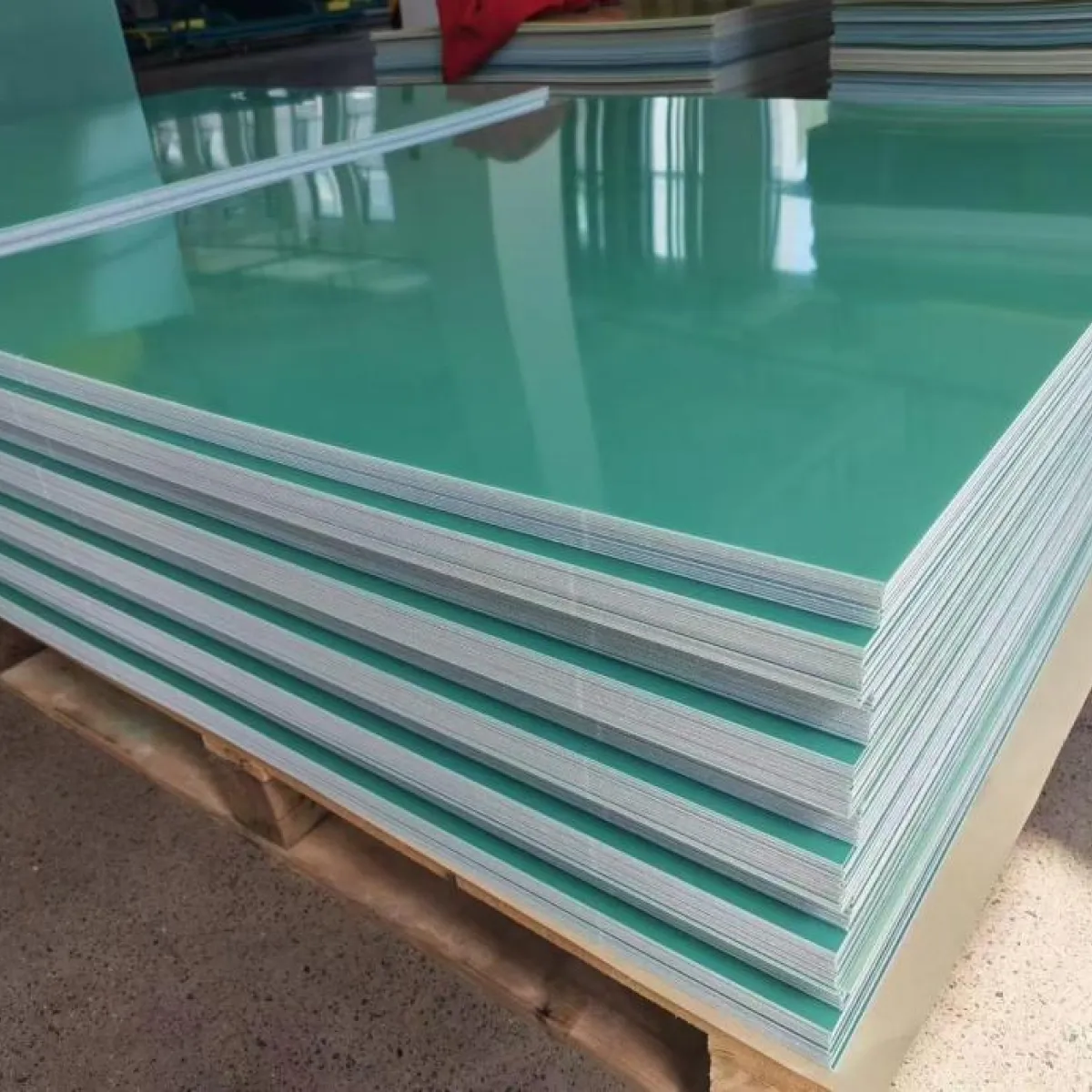
These properties make EPGC308 particularly suitable for electrical equipment operating under high temperature, high humidity and high-voltage conditions.
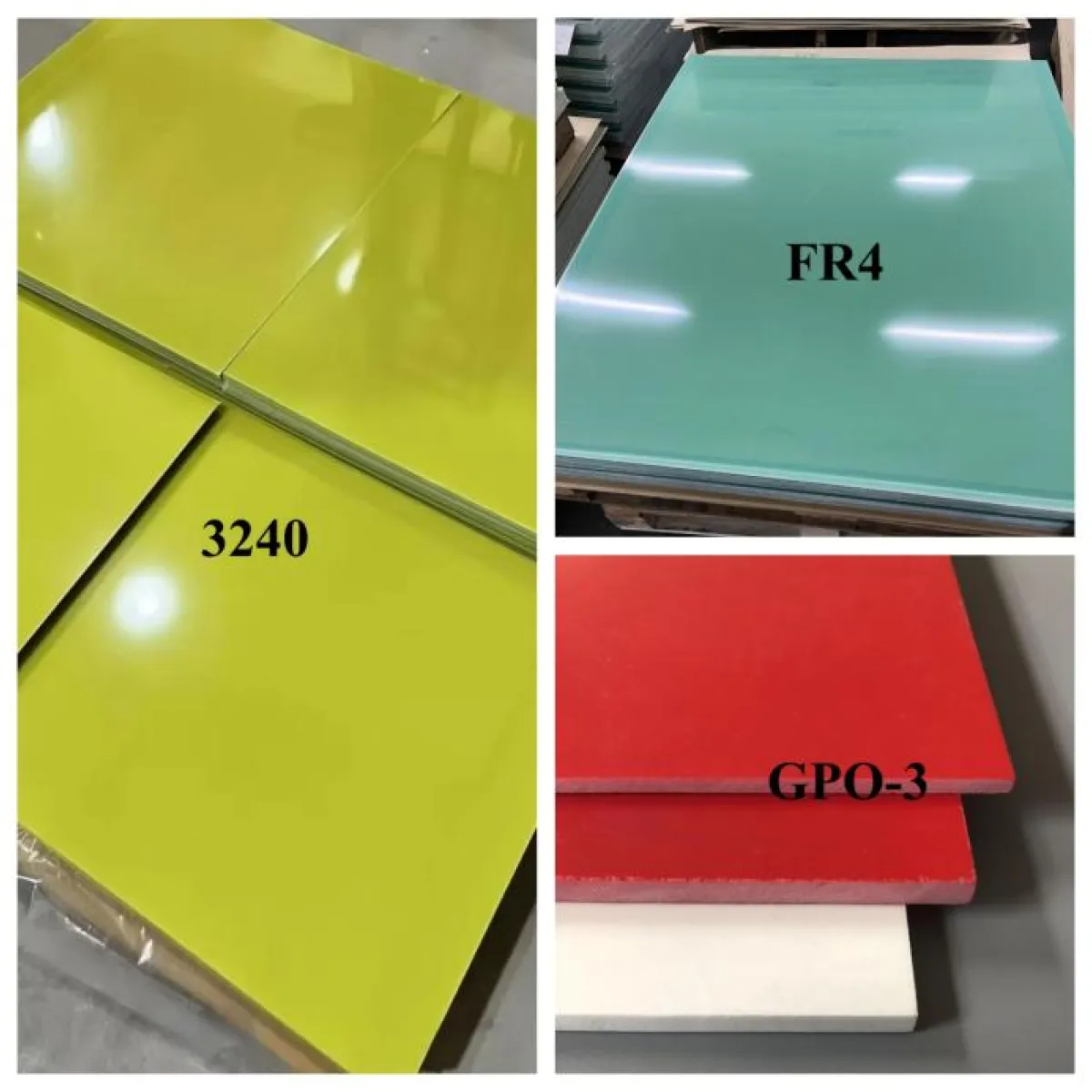
Understanding these differences can help engineers and buyers select the most suitable insulation material for their specific operating conditions.
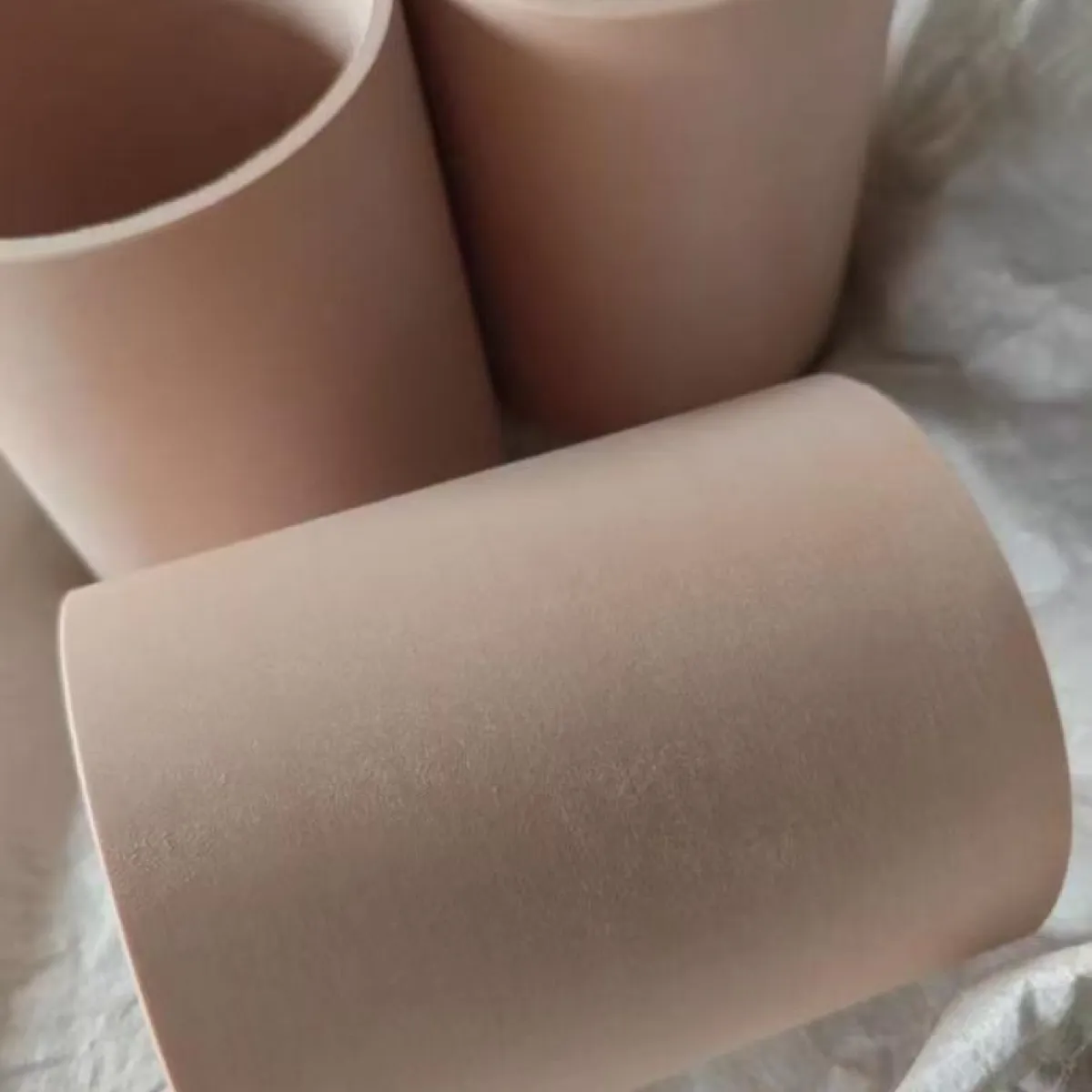
Phenolic Cotton Tube boasts multiple prominent competitive strengths for industrial use. It features extraordinary insulating performance: fully non-conductive, anti-static, and st
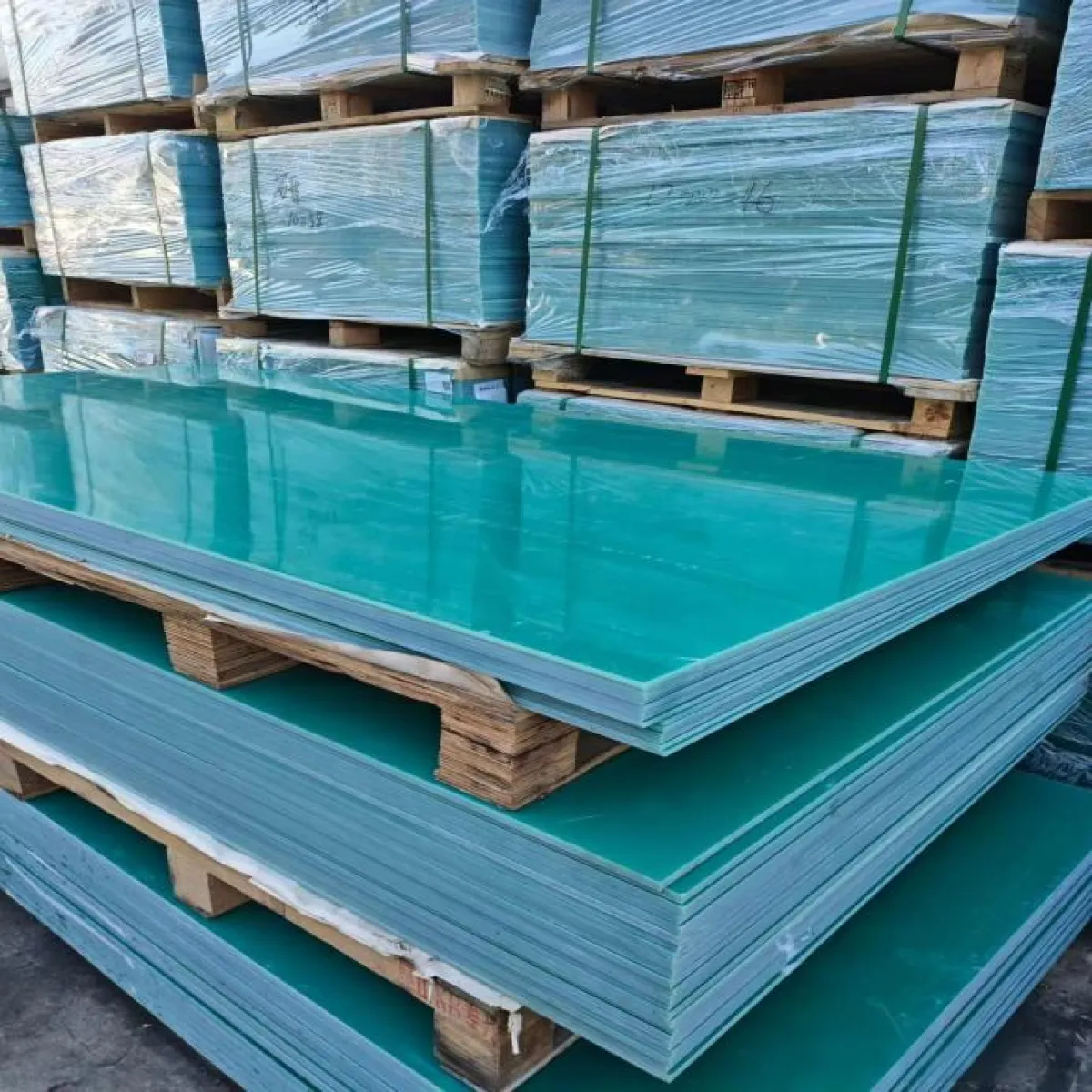
First let us look at its regular uses. In power plants, substations, power distribution rooms and other sites, Insulation Laminated Board is commonly laid on floors to avoid electr
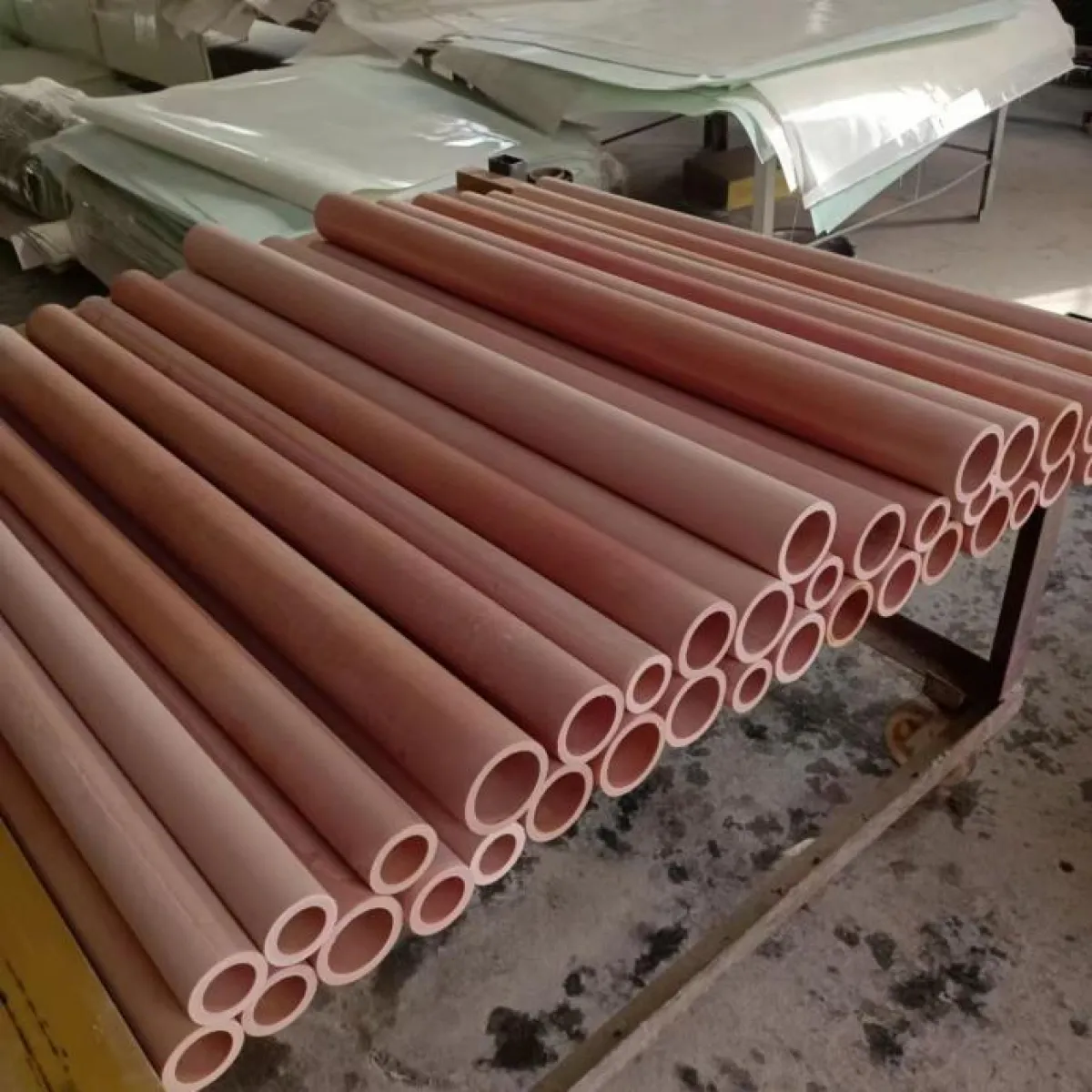
From the perspective of composite materials, Phenolic Cloth Tube is not made of a single substance, but formed by combining thermosetting phenolic resin with reinforcing materials

No.3, Mianzhi Street, Zhucheng, Shandong, China





Copyright © 2026 by Qingdao Yilong Insulation Material Company Limited All Rights Reserved