
Electrical Insulation materials play a critical role in ensuring the safe and stable operation of modern electrical and electronic systems. By separating conductors with different electrical potentials, they help control current flow, protect equipment, and support long-term operational reliability. As power infrastructure, electronics manufacturing, renewable energy, and advanced transportation continue to expand, the Electrical Insulation materials industry is experiencing steady growth and ongoing structural adjustment.
At YILONG, we continuously track industry evolution to better align our material solutions with real application requirements worldwide.
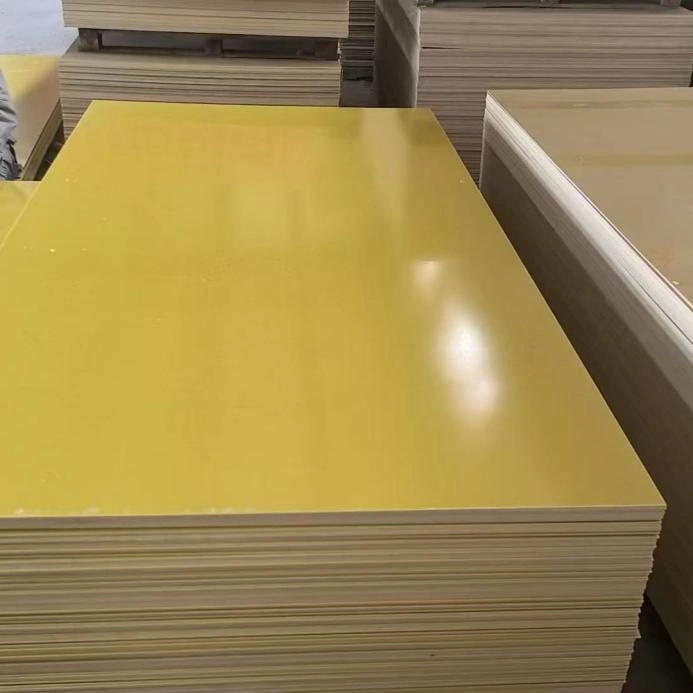
Electrical Insulation materials, also known as dielectrics, are defined by their extremely high electrical resistivity under operating voltage conditions. In addition to preventing unintended current leakage, they provide mechanical support, component fixation, arc suppression, thermal isolation, moisture resistance, and protection for conductors and electrical assemblies.
From a physical perspective, Electrical Insulation materials are generally categorized into gas, liquid, and solid forms. Among these, solid materials—such as epoxy-based laminates, glass fiber reinforced composites, and polymer insulation sheets—are the most widely used due to their mechanical strength, dimensional stability, and suitability for complex industrial environments.
Market demand continues to expand in line with the development of power generation, electrical equipment, electronics, telecommunications, and household appliances. As a foundational material category, Electrical Insulation materials remain indispensable across these sectors.
The rapid growth of renewable energy has become an important driver for the industry. Wind turbines, photovoltaic systems, and energy storage equipment rely on advanced insulation solutions to ensure electrical safety and thermal stability. In parallel, the increasing adoption of electric vehicles and fast-charging technologies has raised performance expectations for materials used in battery systems and power electronics.
Large-scale construction and intelligent upgrading of ultra-high-voltage power grids have also contributed to rising demand for materials with enhanced dielectric strength, thermal endurance, and long-term reliability.
With downstream applications becoming more demanding, higher standards are being set for voltage resistance, heat resistance, safety performance, and environmental compliance. In response, manufacturers are increasing investment in research and development, focusing on high-temperature-resistant, corona-resistant, flame-retardant, and environmentally responsible material systems.
Advances in composite technologies, including nano-modified structures, have improved dielectric behavior, mechanical properties, and service life. These developments have enabled Electrical Insulation materials to expand from conventional electrical equipment into emerging sectors such as rail transit, renewable energy systems, electric mobility, and aerospace engineering.
The upstream supply chain is closely linked to the petrochemical industry, which provides essential raw materials such as resins, fibers, monomers, solvents, and additives. Fluctuations in raw material pricing and availability directly influence production costs and operational stability.
Manufacturing in this sector requires strong technical expertise and process control capabilities. The wide variety of product types, each with specific standards and performance requirements, creates relatively high entry barriers in terms of capital investment, technical accumulation, and quality assurance.
Meanwhile, downstream customers increasingly demand synchronized development, consistent batch supply, and reliable delivery schedules, placing higher expectations on manufacturers’ production coordination and financial strength.
High-performance materials will remain a central focus as applications in electric vehicles, aerospace systems, and high-speed rail continue to expand. These fields require balanced performance in electrical insulation, thermal stability, and resistance to harsh operating conditions.
At the same time, intelligent manufacturing is becoming an important tool for improving efficiency and product consistency. Automated production systems, digital process control, and intelligent inspection technologies help reduce energy consumption while enhancing overall quality stability.
Supported by policy guidance and sustained market demand, the industry is expected to maintain stable long-term growth, particularly in power infrastructure and renewable energy applications. Continued innovation in material systems and processing technologies will be essential for future competitiveness.
The Electrical Insulation materials industry is evolving steadily under the combined influence of technological advancement, expanding application fields, and rising performance expectations. With its broad industrial relevance and strong innovation potential, the sector remains well positioned for sustainable development.
YILONG is committed to supplying reliable Electrical Insulation materials that meet international standards and real-world application demands. Through material expertise, strict quality control, and application-oriented support, we aim to deliver long-term value to customers across power, electronics, and advanced industrial markets.
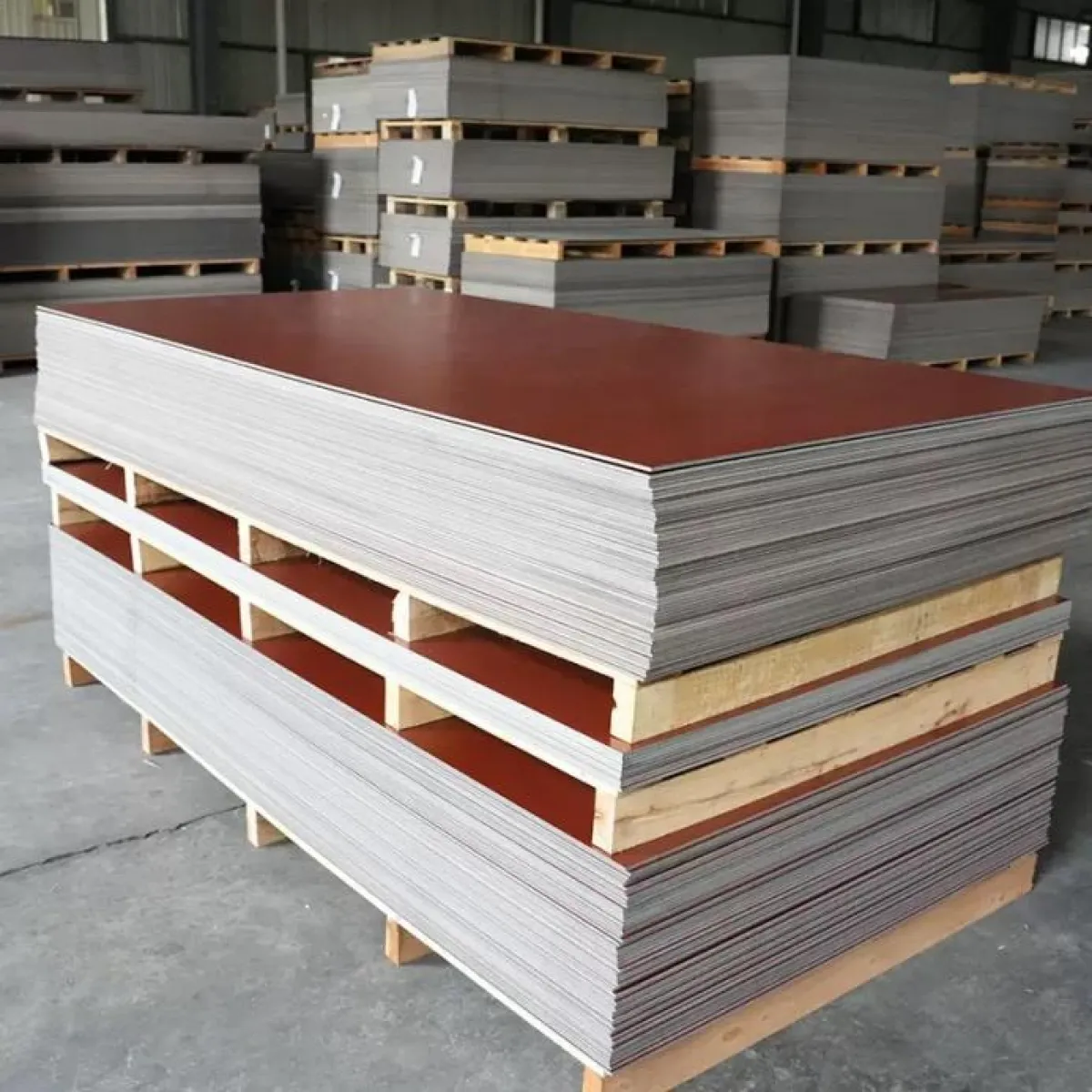
PFCP201 is manufactured using high-quality insulating paper impregnated with phenolic resin. After the raw materials are carefully inspected, the paper is passed through an automat
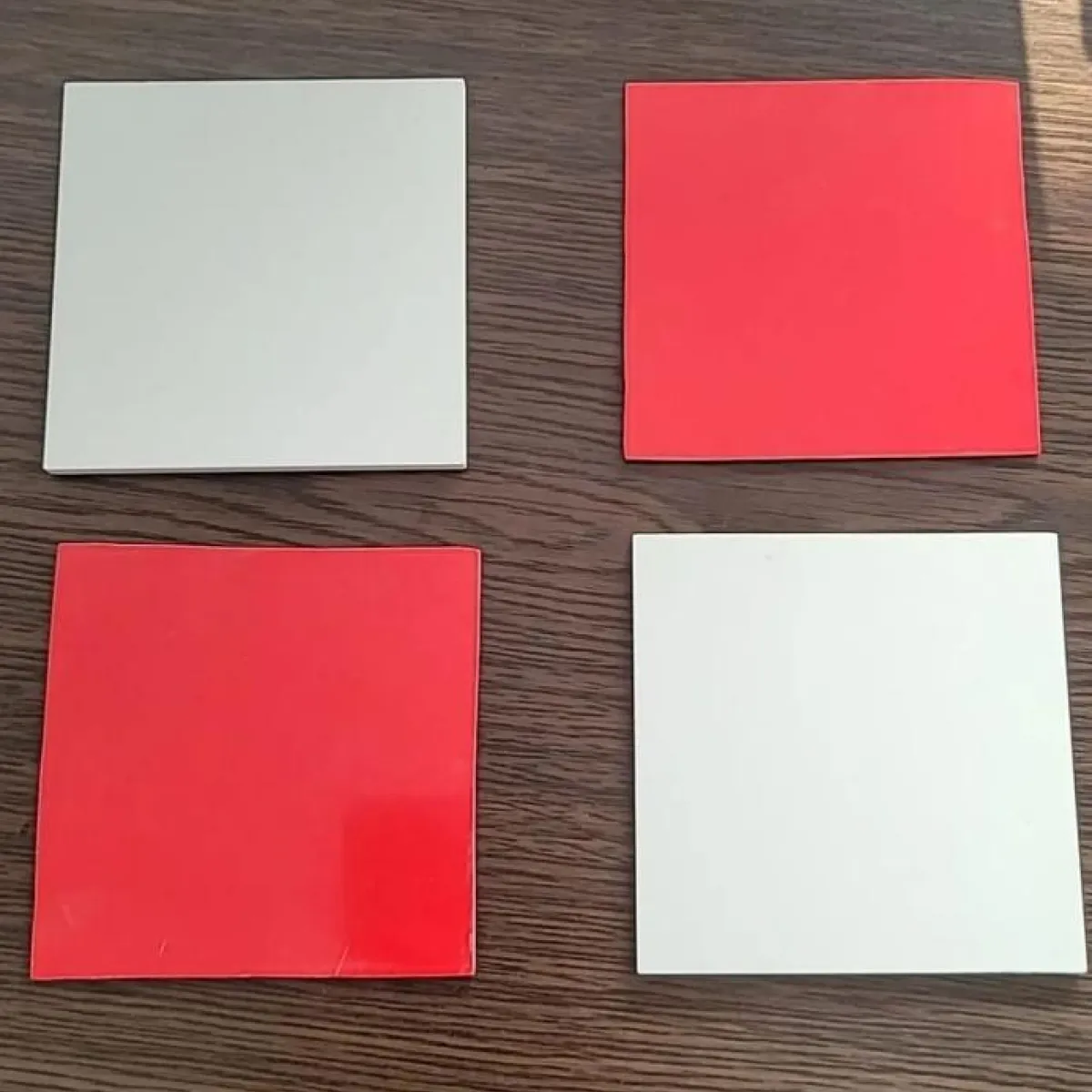
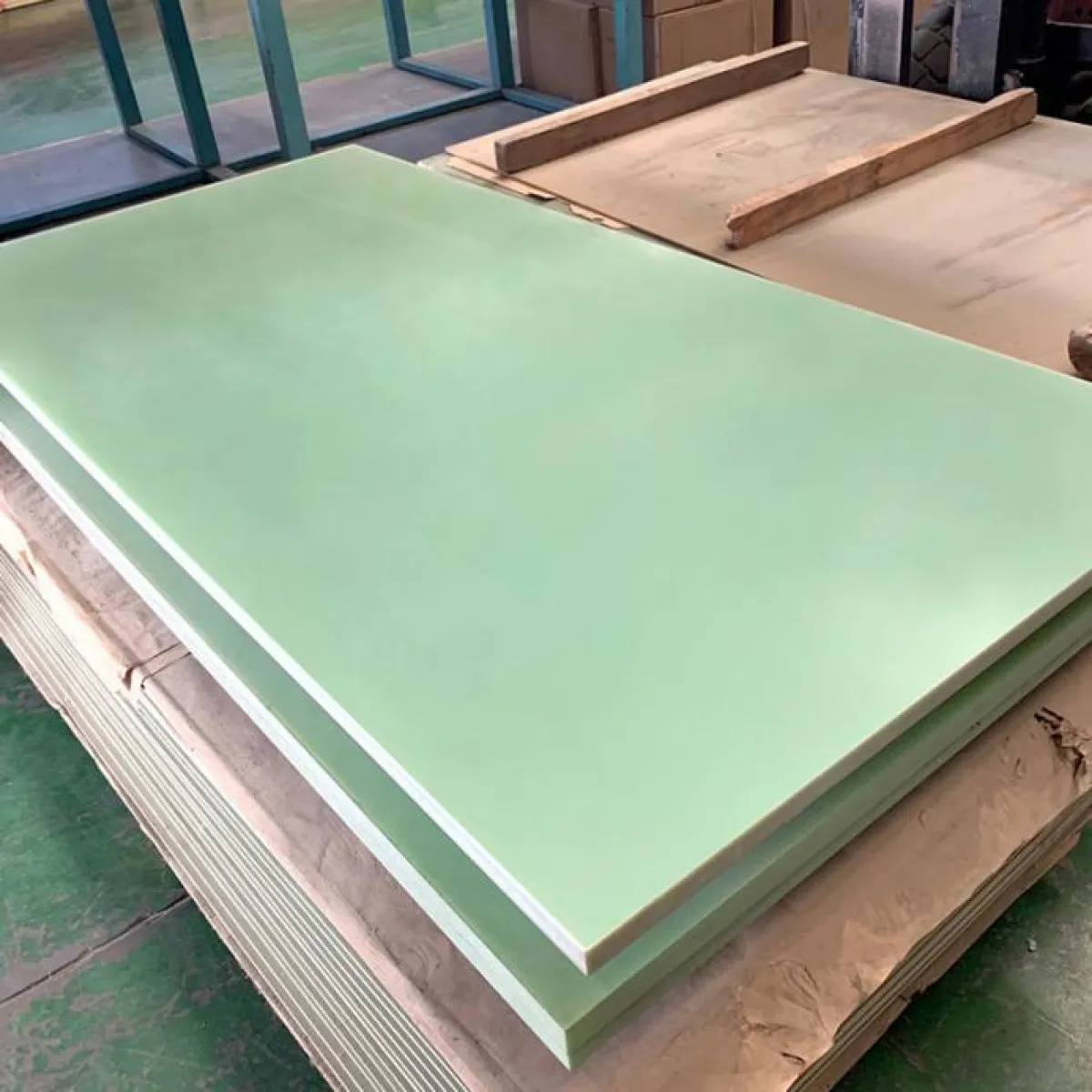
GPO-3 insulation board, also known as UPGM-203, is a rigid electrical insulation material made from alkali-free glass fiber mat impregnated with unsaturated polyester resin and pro
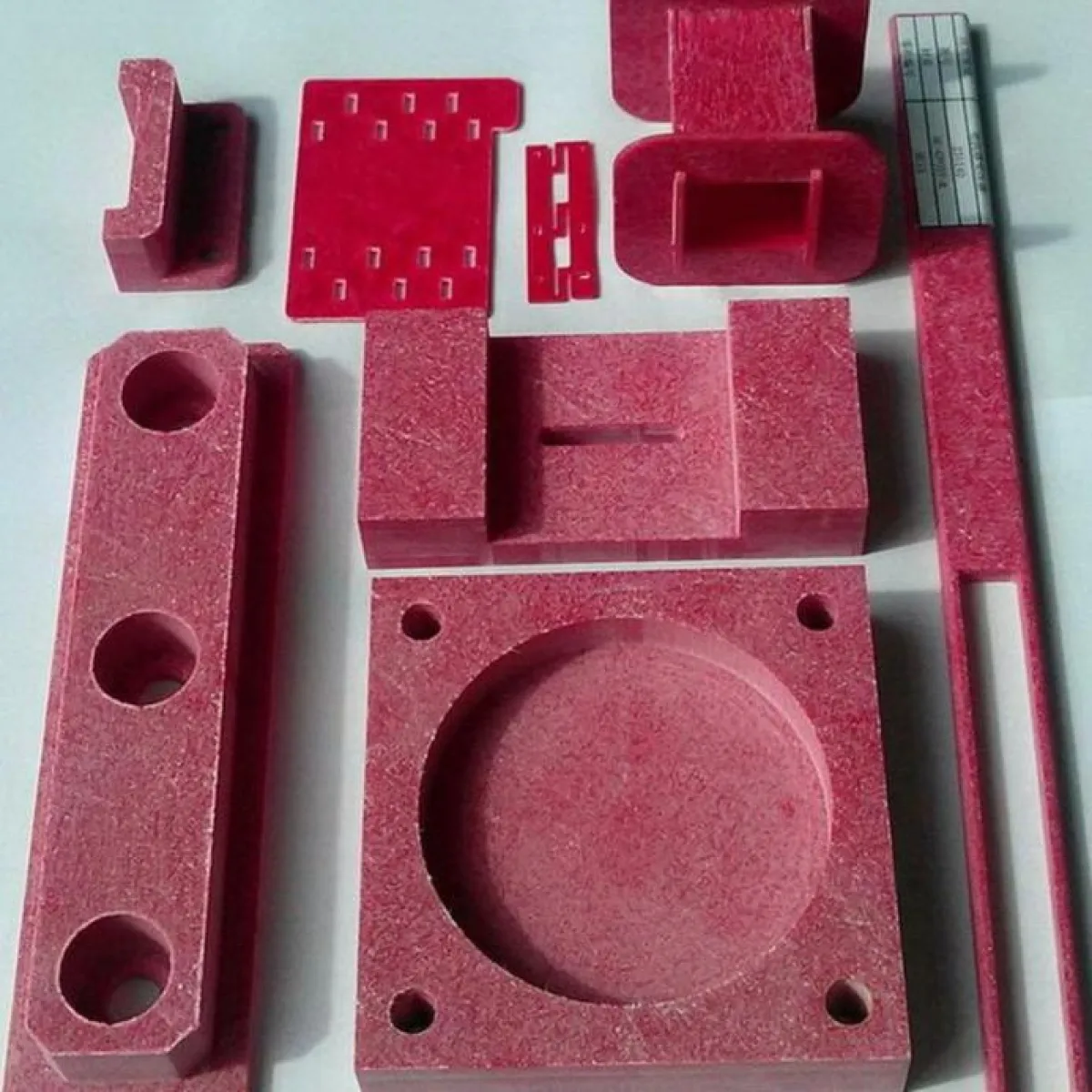
Compared with many conventional insulation materials, GPO-3 offers two particularly important advantages: strong resistance to heat and moisture, and stable electrical insulation p
However, selecting a cryogenic insulation material based only on its standard properties may not be enough. In actual service, continuous immersion, concentrated mechanical loads,

Silicone Glass Cloth Sheet (G7) combines silicone resin with glass fiber cloth to provide a balance of high-temperature resistance, electrical insulation, mechanical strength, and
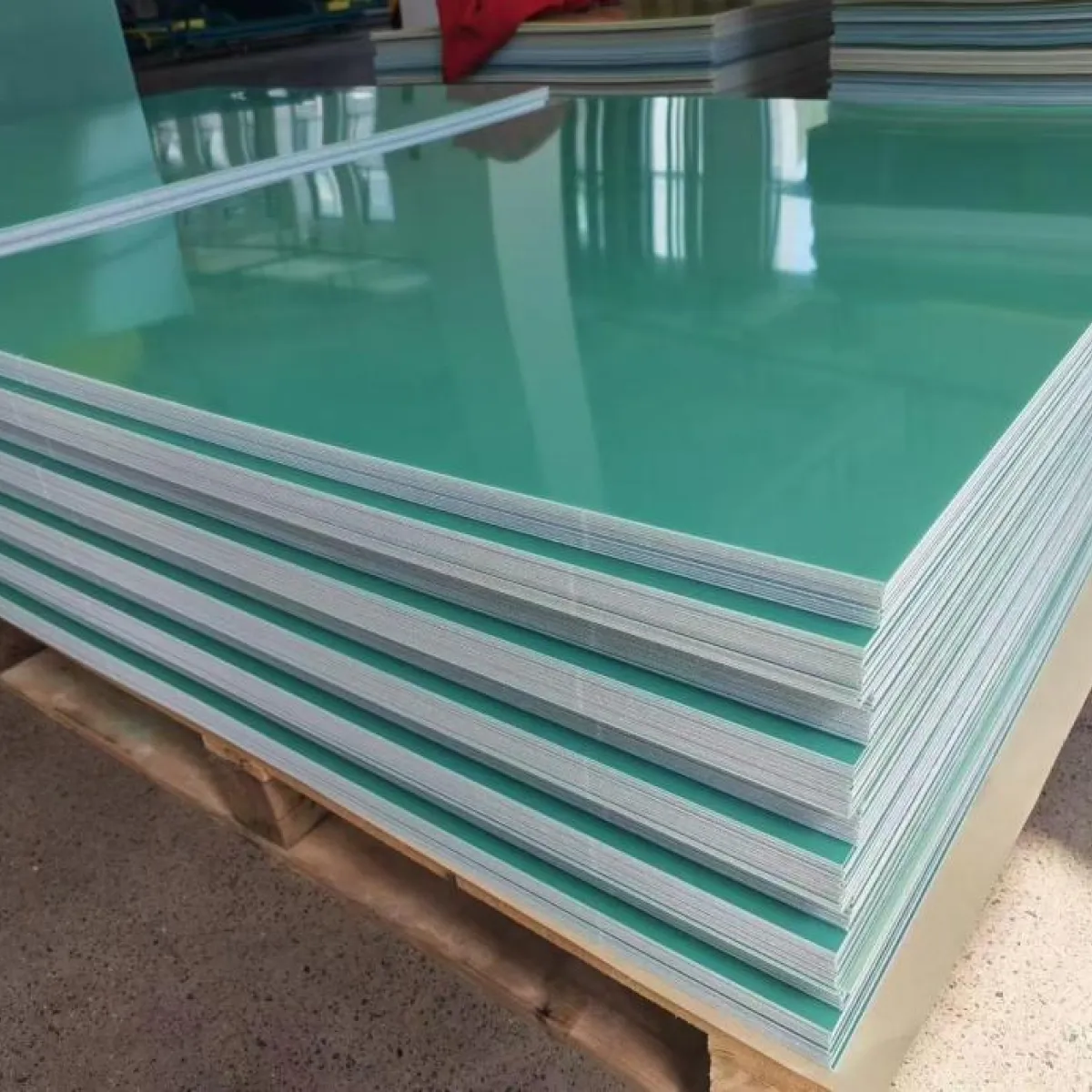
These properties make EPGC308 particularly suitable for electrical equipment operating under high temperature, high humidity and high-voltage conditions.
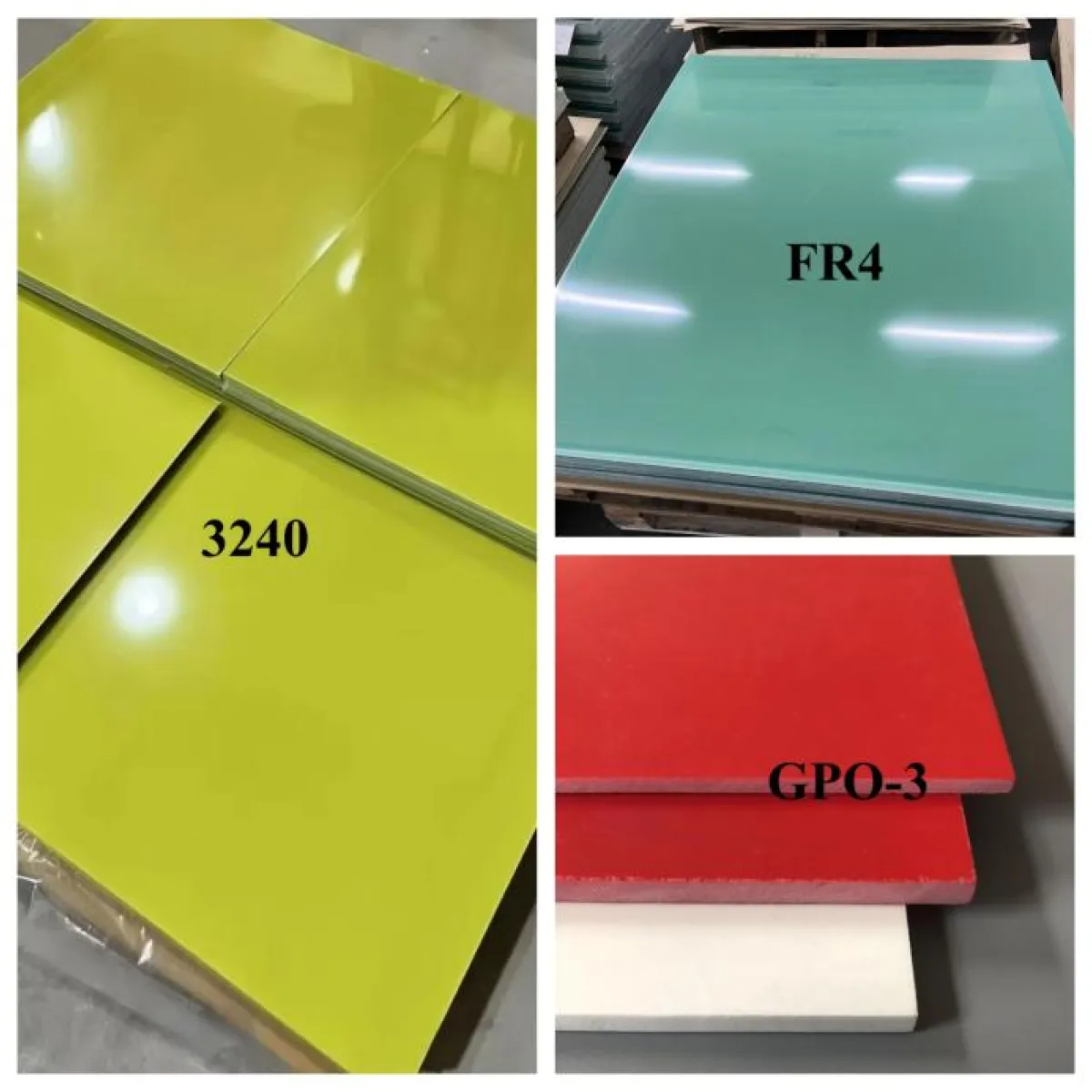
Understanding these differences can help engineers and buyers select the most suitable insulation material for their specific operating conditions.
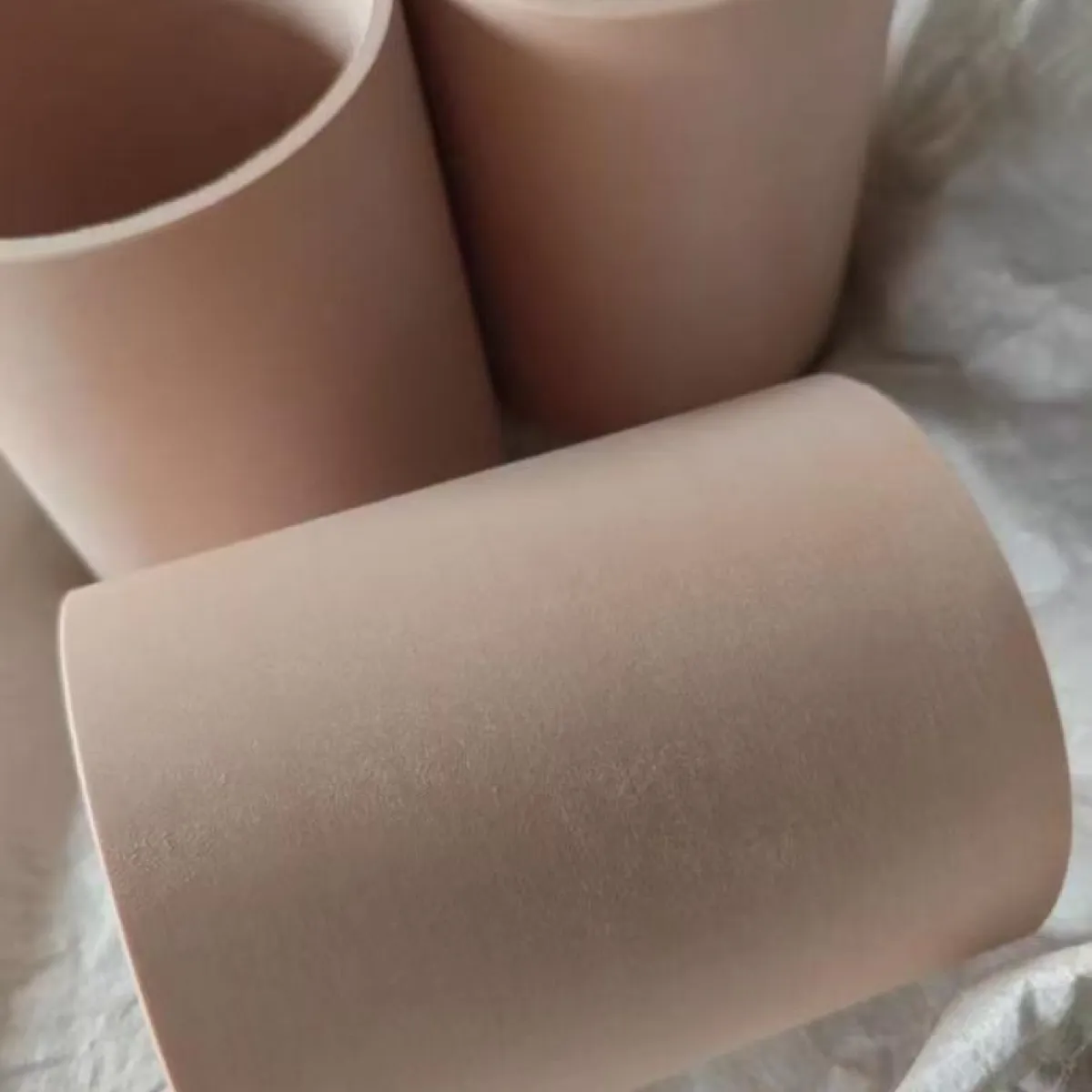
Phenolic Cotton Tube boasts multiple prominent competitive strengths for industrial use. It features extraordinary insulating performance: fully non-conductive, anti-static, and st
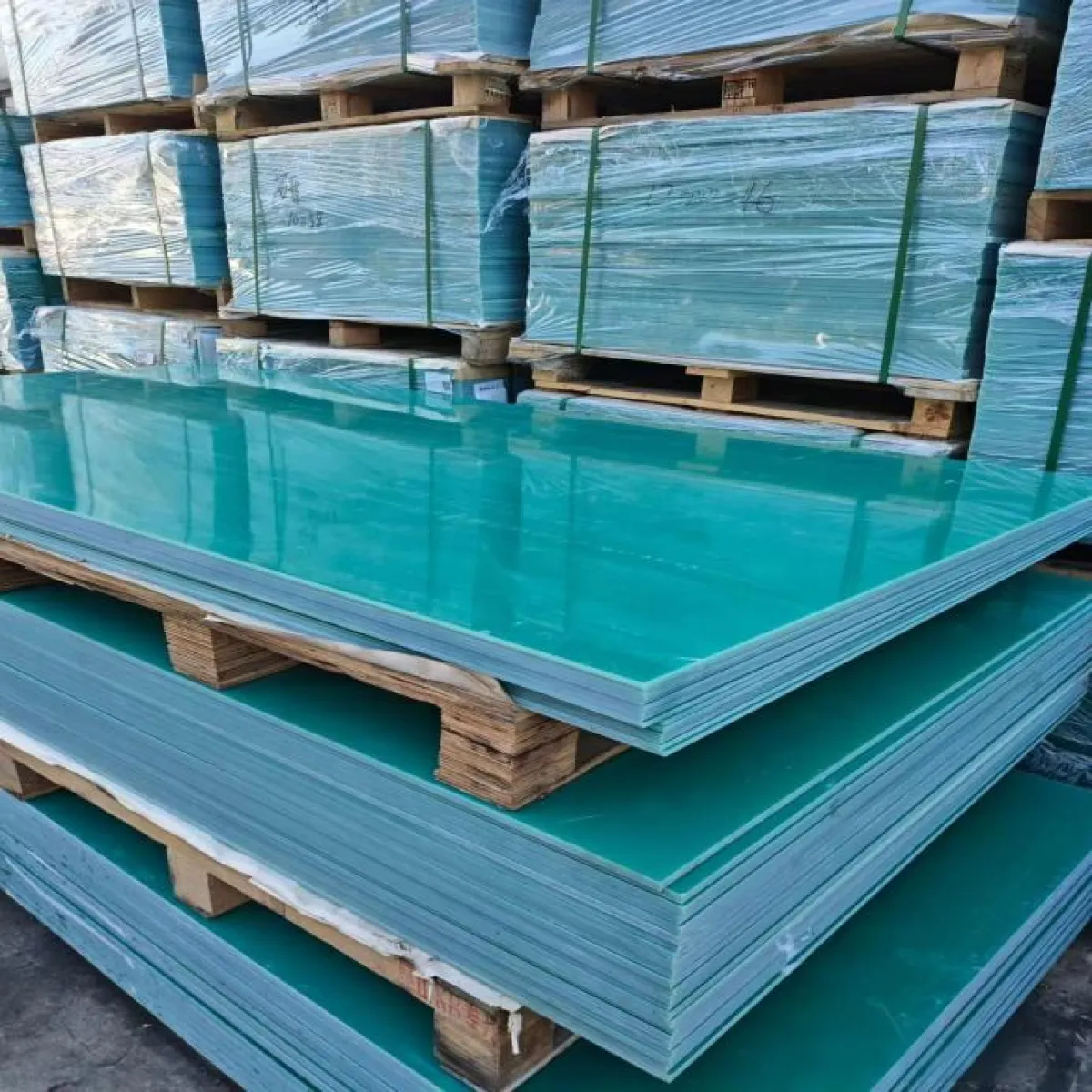
First let us look at its regular uses. In power plants, substations, power distribution rooms and other sites, Insulation Laminated Board is commonly laid on floors to avoid electr
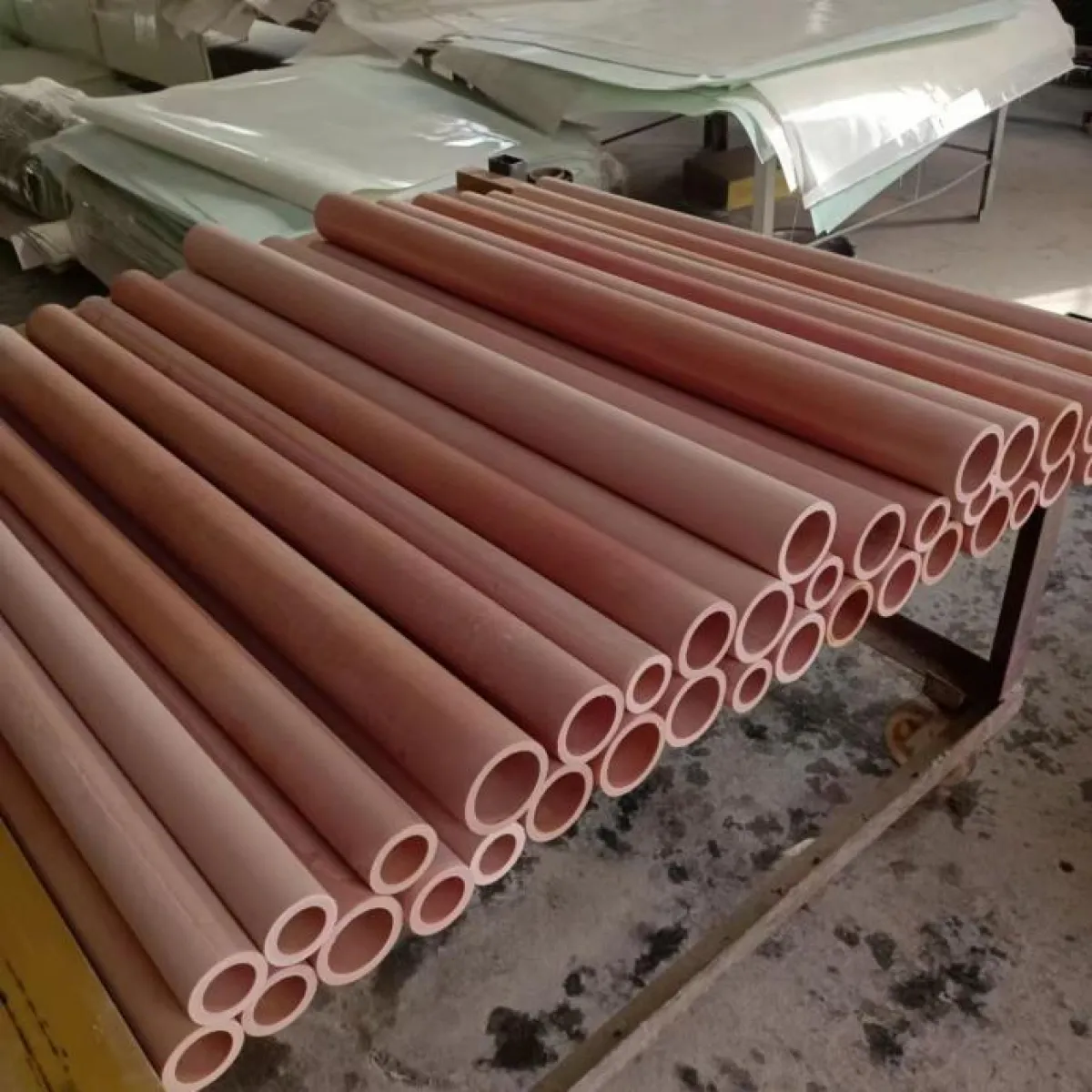
From the perspective of composite materials, Phenolic Cloth Tube is not made of a single substance, but formed by combining thermosetting phenolic resin with reinforcing materials

No.3, Mianzhi Street, Zhucheng, Shandong, China





Copyright © 2026 by Qingdao Yilong Insulation Material Company Limited All Rights Reserved